An Overview of Controversial Border Control
📅 2026 Update: Changes in U.S. Border Control Policies
Since the original article was published, several significant developments have taken place in U.S. border control. The U.S. Border Patrol has updated its strategies and initiatives to improve security and efficiency.
These changes reflect ongoing debates about immigration, human rights, and economic factors surrounding border control. The previous article continues further down the page, providing foundational context for these updates.
🚨 2024-2028 U.S. Border Patrol Strategy
A new strategic plan was launched in May 2024, outlining the U.S. Border Patrol's goals for 2024-2028. This plan focuses on enhancing border security and improving operational efficiency.
The updated strategy aims to address the complexities of border control amid ongoing criticisms regarding human rights and the effectiveness of current enforcement methods.
🏗️ New Facilities and Staffing Changes
In December 2024, the construction of a new 31,000-square-foot Border Patrol Station in Niagara Falls was completed. This facility is designed to accommodate 50 agents and support staff, demonstrating a commitment to improving operational capacity. Additionally, starting July 30, 2025, retired Border Patrol agents from 2020 to 2024 can rejoin the agency.
This move aims to utilize their experience in addressing ongoing border security challenges.
📦 Changes to Duty-Free Treatment
Effective August 29, 2025, shipments valued at or below $800 entering the U.S. through international mail are no longer eligible for de minimis duty-free treatment. They are now subject to all applicable duties, taxes, and fees. This change reflects a stricter approach to border control and customs enforcement, impacting how goods are processed at the border.
✈️ International Remote Baggage Screening
In April 2025, the U.S. Customs and Border Protection (CBP) introduced the International Remote Baggage Screening initiative. This program allows travelers to proceed to connecting flights without re-checking their baggage.
The aim is to streamline travel and enhance security measures at border crossings, making it easier for low-risk travelers to navigate the system.
💰 Current Fees and Costs
For fiscal year 2026, the Merchandise Processing Fee (MPF) for formal entries is set at 0.3464% of the value of imported goods, with a minimum of $33.58 and a maximum of $651.50. For informal entries, fees range from $2.69 to $12.09 per shipment. These updated fees reflect the ongoing costs associated with customs and border control, impacting both consumers and businesses.
📌 Key Takeaways
- 🚨 The U.S. Border Patrol's 2024-2028 strategy aims to improve security and efficiency.
- 🏗️ A new Niagara Falls Border Patrol Station enhances operational capacity.
- 📦 Duty-free treatment changes mean more shipments will incur fees starting August 2025.
- ✈️ The International Remote Baggage Screening initiative improves travel efficiency.
- 💰 Updated fees for border processing impact both individuals and businesses.
💡 Tips for Navigating U.S. Border Control
Review your unique circumstances with an attorney to understand your options and rights.
🚀 Understand the 2024-2028 Border Patrol Strategy
Stay informed about the U.S. Border Patrol's new strategic plan. Launched in May 2024, it focuses on improving border security and operational efficiency.
Knowing these changes can help you better navigate any interactions with border officials.
🏗️ Explore New Facilities and Staffing
The recent construction of a new 31,000-square-foot Border Patrol Station in Niagara Falls enhances border operations. Familiarize yourself with the location and services offered at this facility. This may help if you need assistance or have questions.
📦 Be Aware of Duty-Free Changes
Starting August 29, 2025, shipments worth $800 or less entering the U.S. will incur duties and taxes. If you plan to send or receive goods, understand these changes to avoid unexpected costs. This is vital for personal and business shipping.
✈️ Utilize International Remote Baggage Screening
If you frequently travel, consider the International Remote Baggage Screening program. This initiative allows travelers to connect to flights without re-checking baggage, simplifying the travel experience. Make sure to check eligibility before your trip.
💰 Keep Updated on Fees
For fiscal year 2026, the Merchandise Processing Fee (MPF) has specific rates. Knowing that the fee is 0.3464% of the value of imported goods can help you budget for expenses. Understanding these fees can prevent surprises during the customs process.
📋 Consider Trusted Traveler Programs
If you travel often, look into Trusted Traveler Programs like Global Entry or SENTRI. These programs expedite crossing the border for pre-approved, low-risk travelers. The application process takes time, so start early to enjoy smoother travel experiences.
🚧 Changes in Border Patrol Operations
Recent changes in U.S. Border Patrol operations reflect a shift in how the agency manages border security. In May 2025, the Border Patrol reported releasing zero illegal aliens into the country, a significant change from the over 62,000 releases in May 2024.
This indicates a stricter enforcement approach, which may affect how border communities interact with law enforcement.
Additionally, the U.S. Border Patrol celebrated its 100th anniversary in May 2024. This milestone highlights a century of evolving strategies and methods in border security.
The agency's 2024-2028 strategy aims to enhance operational efficiency, suggesting that changes in policies could continue to impact border control dynamics and community relations in the future. Understanding these shifts is essential for individuals navigating the complexities of U.S. immigration and border policies.
🏆 Ranked by User Reviews (2026)
This section highlights services related to immigration and border control, which are essential for individuals navigating the complexities of U.S. immigration processes. The services listed here focus on helping users with document preparation and translation, critical for applications and legal requirements.
It's important to note that ratings can fluctuate over time, and unhappy customers often leave more reviews than satisfied ones, which can affect an overall score.
Each service has unique strengths, but potential users should be aware of any limitations mentioned in the reviews.
🥇 1. CertTranslate
CertTranslate holds an impressive Trustpilot score of 4.9. Timeliness is also highlighted, with many users noting the fast turnaround times for their document needs.
However, some reviewers point out that CertTranslate's pricing is higher than that of some competitors, which may be a consideration for those on a budget. Overall, the service is well-suited for users who prioritize quality and reliability for their immigration processes.
🥈 2. CitizenPath Immigration Services
This service focuses on online immigration application assistance and document preparation, helping users navigate the often complicated immigration system. Reviewers mention the platform's user-friendly design, which makes understanding the application process easier for newcomers.
While CitizenPath is praised for its efficiency, there are occasional mentions of delays in customer support response times. This could be a drawback for users seeking immediate assistance or clarification on their applications. Nevertheless, it remains a valuable option for anyone looking to streamline their immigration paperwork.
🆓 Free Government and Nonprofit Options
Individuals seeking assistance with immigration matters may explore free resources offered by the U.S. government and nonprofit organizations. Utilizing these resources can be beneficial for those who need guidance but may not have the budget for paid services.
🔎 Factors to Compare When Choosing Immigration Services
- 📋 Service Offerings: Check what specific immigration or border control services are provided.
- 🕒 Processing Times: Look at how quickly services can complete tasks like document preparation or translation.
- 💲 Cost: Compare pricing structures and any potential hidden fees.
- ⭐ User Ratings: Review the overall scores and feedback from clients to gauge satisfaction.
❓ Frequently Asked Questions
🤔 What is the goal of the 2024-2028 U.S. Border Patrol Strategy?
The 2024-2028 U.S. Border Patrol Strategy aims to enhance border security and improve operational efficiency. Released on May 14, 2024, it sets objectives to address ongoing challenges in managing border security effectively.
🚨 How has the number of illegal immigrants entering the U.S. changed recently?
In May 2025, the U.S. Border Patrol reported releasing zero illegal aliens into the country. This marked a significant decrease from over 62,000 releases in May 2024, indicating a shift in enforcement practices.
🏢 What is the purpose of the new Niagara Falls Border Patrol Station?
The new 31,000-square-foot Niagara Falls Border Patrol Station was completed in December 2024. It is designed to support 50 agents and staff in improving border operations and enhancing security measures in the region.
💼 Are there job opportunities for retired Border Patrol agents?
Yes, starting on July 30, 2025, the U.S. Customs and Border Protection (CBP) began offering reemployment opportunities for retired Border Patrol agents who retired between July 2020 and July 2024. This initiative aims to leverage their experience in addressing current border security challenges.
📦 How will changes to de minimis duty-free treatment affect shipments?
Effective August 29, 2025, shipments valued at or below $800 entering the U.S. will no longer be exempt from duties and taxes. This change may impact individuals and businesses sending or receiving goods, requiring them to budget for additional costs.
✈️ What is the International Remote Baggage Screening initiative?
Introduced in April 2025, the International Remote Baggage Screening program allows travelers to proceed to connecting flights without needing to re-check their baggage. This initiative aims to streamline travel and enhance security for passengers.
⚖️ Recent Cases Impacting Border Control
Recent court rulings have addressed key issues related to immigration and border control, highlighting the ongoing debates about policies and enforcement methods. These cases reflect the complexities of balancing national security with human rights concerns in border management.
- Court grants release for Haitian immigrant detained by ICEDistrict Court, S.D. California · October 16, 2026
- Court Blocks ICE Restrictions on Cuban Immigrant's ReleaseDistrict Court, W.D. Tennessee · October 7, 2026
- Court orders bond hearing for detained immigrant in KansasDistrict Court, D. Kansas · October 7, 2026
- Court orders immediate release of Honduran immigrantDistrict Court, W.D. Tennessee · October 7, 2026
For more information, readers can explore more rulings on the news page.
End of October 2026 Update
An Overview of Controversial Border Control: Issues and Debates
Introduction:
Border control is a complex and often controversial issue that involves a range of political, social, and economic factors. The United States Border Patrol is responsible for enforcing immigration and customs laws and preventing illegal entry of people and contraband into the country. However, the agency's methods and policies have been subject to intense scrutiny and criticism. In this article, we will take a look at some of the key issues and debates surrounding controversial border control.
Immigration and Human Rights
1. What are the main concerns regarding immigration and border control? One of the major concerns with border control is the human rights of immigrants. Critics argue that the government's policies on border control, such as the separation of families, violate human rights and contribute to a hostile and unwelcoming environment for immigrants.
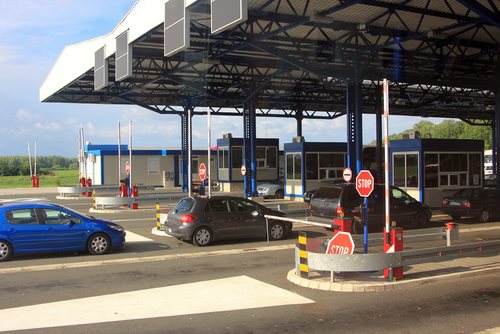
2. How have efforts to enforce immigration laws impacted border communities? Communities located near the border often have a strained relationship with law enforcement officials, especially as immigrants are frequently the targets of surveillance, discrimination, and harsher treatment.
Border Patrol and Use of Force
1. What is the controversy regarding Border Patrol's use of force? Critics express concern over the excessive and sometimes deadly use of force by Border Patrol agents. Instances of lethal violence by Border Patrol have sparked community outrage, and those critical of the agency argue that the use of violence and force can be unnecessary and harmful.
2. How do Border Patrol's methods impact the safety and security of border communities? Overzealous enforcement policies, such as the use of federal agents to patrol cities and towns, can often lead to incidents of racial profiling, search and seizures without probable cause, and other violations of civil liberties and human rights.
📝 See Also
Economics and Border Control
1. How do economic factors influence the policies of Border Control? Many people argue that the U.S.'s border control policies are mainly dictated by economic interests. For instance, blocking illegal migration to the United States serves to protect the jobs of American workers and prevents the influx of illicit drugs that would incur costs on the government.
2. What are the implications of increased border control on the economy? Critics suggest that the billions of dollars spent on border control are not an effective use of the government's resources. In addition, they argue that measures intended to prevent the entry of illegal immigrants can also adversely affect trade and limit the flow of investment and information.
Conclusion:
Border control is a controversial and multifaceted issue that encompasses several different concerns, including human rights, use of force, and economics. Critics argue that the U.S. government's efforts to enforce immigration laws and secure its borders come at a significant human cost, while proponents claim that the policies are essential for national security and economic growth. As the U.S. continues to grapple with the issue of border control, policymakers will need to balance these various needs and concerns while striving to ensure fairness and respect for human rights.
The controversy surrounding various immigration policies is a constant source of battle amongst both politicians as well as the American public. Illegal immigration brings out incredibly strong opinions in people, and one of the issues that seems to always take center-stage is border control. One concern would be how illegal immigrants who attempt to come into the United States should be handled. Border patrol agents specialize in dealing with these illegal immigrants who attempt to cross the border. Whether these border patrol agents are paid or volunteer, they have the same common goal: keep illegal immigrants from crossing the United States border and prevent terrorist attacks.
Overview of Application and Job
Applicants who are interested in joining the border patrol must go through an application process that is similar to joining the military. The application can be filled out on the Internet; the individual will then have to be screened and drug tested before entering the border patrol boot camp, or the United States Border Patrol Academy. The job itself will involve tracking the Mexican/American border, looking for illegal immigrants who are trying the enter the United States on foot or by vehicle. Other specializations may be undertaken, depending on the individual, as some may decided to join a special branch of the border patrol.
Uniform and Various Insignia
Insignias are meant to show rank amongst the agents and officials in the border patrol. Their will be a design, usually a star or a number of stars. on the collar of the border patrol uniform, as well as a shoulder patch that consists of a number of stripes; again these depend on the rank. Regular dress uniforms are olive green with a blue stripe running down the pant leg. Ceremonial uniforms are the same, with added accessories such as blue shoulder straps, a blue tie, cuffs, and white gloves. Rough-duty uniforms are olive green cargo pants along with a work shirt, usually in blue or black.
Criticisms of Border Patrol
There are several criticisms of border patrol. One is that it doesn't work, since illegal immigrants still enter the United States in large numbers; statistically about 500,000 illegal immigrants will sneak into the United States each year. The second is that is possibly harmful, as some immigrants have complained of physical abuse suffered at the hands of the border patrol. The third is that border patrol can become corrupted, with the border patrolmen taking bribes in return for allowing illegal immigrants to enter the United States undetected.