U.S. Embassy
📅 2026 Update: Changes in U.S. Embassy Operations and Visa Processes
embassies and immigration processes. New programs and policies have been introduced to streamline visa applications and enhance security measures. These changes reflect ongoing adjustments in U.S. immigration practices and consular services.
Embassy.
🛂 Nonimmigrant Visa Expedited Appointment Pilot Program
On August 18, 2026, the U.S. launched a new program at select embassies and consulates. This aims to help travelers who need to secure their visas quickly, addressing the growing demand for timely processing of visa applications.
📱 Expanded Visa Screening and Vetting
Starting October 1, 2026, the Department of State expanded its screening process for visa applicants.
🌍 Presidential Proclamation 10998
This proclamation reflects ongoing adjustments to U.S. immigration policy and aims to address security concerns. As a result, individuals from these regions may face additional challenges in obtaining U.S. visas.
📝 Diversity Visa Program 2026
The Diversity Visa Program for 2026 had a registration period from October 2, 2024, to November 7, 2024. Applicants must obtain their visas or adjust their status by September 30, 2026.
💰 Premium Processing Fee Increase
This fee applies to expedited processing requests and reflects ongoing adjustments to immigration-related costs. The increase aims to manage the demand for quicker processing times while ensuring the efficiency of immigration services.
🔒 Visa Entry Restrictions
This proclamation affects visa processing at U.S. embassies and consulates.
Individuals from the impacted countries must stay informed about their specific visa application requirements. They may face additional challenges when applying for visas or traveling to the United States, making it essential to consult official resources for guidance on how to navigate these restrictions.
📌 Key Points Summary
- 🛂 New expedited visa appointment program allows B visa applicants to pay for faster interviews.
- 📱 Visa applicants must set social media profiles to public for increased screening.
- 🌍 New proclamation limits entry for nationals from 39 countries.
- 📝 Diversity Visa Program registration ended in 2024; applicants face a September 2026 deadline.
- 💰 Premium processing fee increased to $2,075 for quicker immigration requests.
💡 Tips for Navigating U.S. Embassy Services
Review the details of your immigration situation with an experienced attorney.
🛂 Understand the Expedited Visa Program
If you need a visa quickly, consider the Nonimmigrant Visa Expedited Appointment Pilot Program. Make sure to check if your embassy participates in this program.
📱 Be Ready for Expanded Screening
As of October 1, 2026, visa applicants for I, TN, and TD categories must set their social media profiles to public. Prepare to share your online presence to avoid delays.
🌍 Know the Impact of Presidential Proclamation 10998
If you are from one of these regions, be aware of potential challenges in your visa application process. Stay informed about any specific requirements that may apply to you.
📝 Keep Track of Diversity Visa Deadlines
Mark these dates to ensure compliance.
💰 Prepare for Increased Processing Fees
The premium processing fee for expedited requests increased to $2,075 as of March 1, 2026. Factor this cost into your budget if you plan to use this service. Regularly check for updates on immigration-related fees to avoid surprises.
📞 Utilize Free Government Resources
For questions about immigration fees and processes, reach out to the USCIS Office of Chief Financial Officer at 240-721-3000. Use official government resources to get accurate information and avoid scams from unofficial sources.
🔍 Stay Informed About Travel Restrictions
When planning to visit or apply for services at a U.S. Embassy, be aware of any travel restrictions that may affect your plans.
It's crucial to check if these restrictions apply to you before proceeding with your visa application or travel.
Additionally, U.S. embassies are adapting to new security measures, which may include heightened screening processes. As of October 1, 2026, applicants for certain nonimmigrant visas such as I, TN, and TD must set their social media profiles to "public" for review. This expanded vetting process aims to ensure the safety and security of both applicants and U.S. interests abroad.
Staying informed about these requirements can help prevent delays and ensure a smoother experience when visiting an embassy.
Make sure to regularly check official embassy websites or reliable government sources for the latest updates on travel restrictions and visa requirements. This knowledge can save you time and help you better prepare for your embassy visit.
🏆 Top Immigration Services Ranked by User Reviews (2026)
This section highlights several immigration services that assist with visa applications and related processes, fitting within the context of U.S. embassies and consular services.
Different sample sizes also influence these scores, so a balanced view is necessary when exploring options.
Here are the top immigration services based on user feedback:
🥇 1. CitizenPath Immigration Services
CitizenPath has been rated 4.5 stars. CitizenPath focuses on helping users complete the required forms effectively, which aligns well with the needs of individuals seeking assistance with visas and other immigration documents.
However, some users have noted limited customer support availability. This could be a concern for those who may require more hands-on assistance during their application process.
🥈 2. Translayte
Translayte holds a 4.5-star rating. It specializes in certified translation services, particularly for personal and immigration documents. This is crucial for applicants who need to submit documents in English as part of their visa applications.
Clear and accurate translations can significantly impact the success of immigration processes, making Translayte a relevant option within the context of U.S. Embassy services.
One caveat noted by reviewers is that their pricing is higher compared to competitors. This may be a deciding factor for individuals or families on a budget seeking translation services.
🥉 3. Immiassist
Immiassist has earned a 4.1-star rating. embassies and consulates.
Some users have reported delays in response times, which may affect timely assistance during critical application phases. Prospective clients should consider this when choosing their immigration service provider.
4️⃣ Boundless Immigration
Boundless Immigration enjoys a high rating of 4.8 stars. This service guides users through the often complicated processes involved in applying for visas and green cards, which is vital for those aiming to establish their lives in the U.S.
Despite its positive feedback, some users have mentioned delays in application processing. Those who require prompt results may want to keep this in mind when considering Boundless Immigration.
💰 Cost Comparison of Immigration Services
When exploring immigration services, cost is a key factor for many applicants. CitizenPath and Translayte both hold a 4.5-star rating, but they differ notably in pricing structures. CitizenPath focuses on form preparation, which may have lower upfront costs, while Translayte, known for certified translations, often charges more due to its specialized services.
Boundless Immigration stands out with a high rating of 4.8 stars, providing extensive guidance for visa and green card applications. However, some users have reported delays in processing, which could affect overall costs if applicants need to expedite their filings. Immiassist, rated 4.1 stars, also faces criticism for response delays, which could impact timely application submissions and associated costs.
Overall, applicants should weigh not only the initial fees but also potential extra costs related to processing times and customer support when choosing an immigration service. Understanding these aspects can help applicants make informed decisions that align with their budget and timeline needs.
🆓 Free Government Resources
The USCIS Office of Chief Financial Officer can be contacted for questions regarding immigration-related fees and processes. This service is particularly useful for individuals looking for accurate information without falling prey to scams or unofficial sources.
🔎 What to Compare When Choosing Immigration Services
- 🧾 Document preparation support
- 💬 Customer service availability
- 📅 Processing times for applications
- 💰 Cost of services and any hidden fees
- 🌍 Specialization in specific visa types or immigration processes
❓ Frequently Asked Questions
📅 What is the Nonimmigrant Visa Expedited Appointment Pilot Program?
This program started on August 18, 2026, at select U.S. embassies and consulates. Eligible B visa applicants can pay a $750 fee to receive an expedited interview within 10 business days.
🌐 What changes were made to visa screening and vetting?
🚫 Who does Presidential Proclamation 10998 affect?
It’s important for affected individuals to stay informed about any specific visa application requirements.
📝 What is the deadline for the Diversity Visa Program 2026?
💰 Are there any recent changes to immigration-related fees?
📞 How can I avoid scams related to immigration services?
To avoid scams, always use official government resources for accurate information. For questions about immigration-related fees, contact the USCIS Office of Chief Financial Officer at 240-721-3000 for reliable assistance.
🌍 What should I know about the Diversity Visa Program?
The Diversity Visa Program aims to increase immigration from countries with low rates of immigration to the U.S. Applicants must meet specific education or work experience requirements to qualify.
It's crucial for applicants to stay informed about eligibility criteria and deadlines to ensure they do not miss out on this opportunity.
⚖️ Recent Cases Impacting U.S. Immigration
Recent court rulings have addressed various aspects of U.S. immigration law and policies, reflecting the ongoing changes in the judicial landscape. These cases are significant as they relate to consular services and visa applications, shaping how U.S. embassies interact with applicants.
- Court rules on immigration custody for El Salvadoran youthBoard of Immigration Appeals · June 2, 2026
- Board of Immigration Appeals rules on visa petition fraudBoard of Immigration Appeals · April 7, 2026
- Board of Immigration Appeals rules against Albert MillsBoard of Immigration Appeals · April 28, 2026
- Immigration Board Denies Asylum for Mexican Man's ClaimBoard of Immigration Appeals · May 22, 2026
For additional updates, readers can check recent rulings in the news section.
End of October 2026 Update
The United States Embassy: A Powerful Diplomatic Presence
The United States Embassy is a vital presence for the United States Government in the international community. It is an American diplomatic mission that operates in foreign countries, with the purpose of promoting U.S. interests and policies. The embassy is staffed by diplomats and other personnel who work to build and maintain relationships with the host country and its government, as well as to provide essential consular services to American citizens abroad. Let's take a closer look at what makes the U.S. Embassy such a powerful force in international diplomacy.
What is the United States Embassy?
The United States Embassy is one of the primary ways in which the U.S. Government communicates with foreign governments and the international community. It is typically situated in the capital city of the host country, and serves as the official residence and workplace of the American Ambassador to that country. The Embassy may also have a Consulate that provides a range of non-immigrant and immigrant visa services, as well as assistance to U.S. citizens abroad.
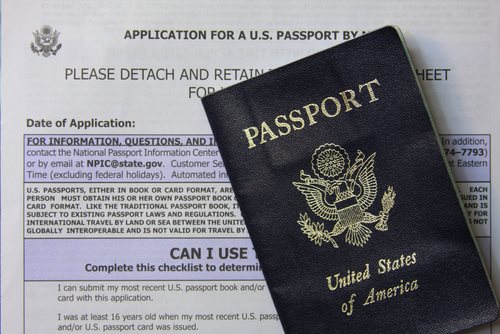
The U.S. Embassy is responsible for a wide range of activities, such as promoting U.S. foreign policy goals, fostering economic and cultural relations, and advocating for American values and interests. Diplomats at the Embassy work tirelessly to build relationships with foreign governments and NGOs, facilitate trade and investment, and protect the rights of American citizens abroad.
The Role of the U.S. Ambassador
The U.S. Ambassador to a foreign country is the highest ranking American diplomat in that country, responsible for representing the United States Government, overseeing the operations of the Embassy, and fostering a positive relationship with the host government. The Ambassador acts as the official representative of the President of the United States in that country, and is supported by a highly skilled team of diplomats, administrative and security personnel.
The role of an ambassador can be highly stressful and demanding, as they must deal with a range of political, diplomatic, and social issues affecting the relationship between the two countries. The Ambassador serves as the principal mediator between the governments of the United States and the host country. They must maintain a productive working relationship with key officials from the host country's government, represent U.S. interests across a range of issues, and work to build strong relationships with civil society organizations and other stakeholders.
📝 See Also
The Importance of Diplomatic Engagement
Diplomatic engagement is a key component of the U.S. Embassy's mission. By engaging with foreign governments and NGOs, American diplomats are able to promote U.S. interests on a range of issues, including human rights, trade, investment, security, and democracy promotion. Diplomatic engagement can involve anything from close communication between the Ambassadors or their staff to negotiating key treaties or agreements beneficial to the U.S. and the host country.
The U.S. Embassy can also serve as a valuable point of contact for other U.S. Government agencies, such as the Department of Commerce, the Department of Agriculture, or the Department of Defense. By leveraging the Embassy's diplomatic channels and networks, these agencies can more effectively promote American imperatives and policies.
Consular Services
In addition to diplomatic engagement, another primary function of the U.S. Embassy is to provide a range of consular services to American citizens abroad. These services can include emergency assistance, such as medical care or help resolving a financial or legal issue. Additionally, the Embassy may provide assistance to Americans who have lost their passports, or who need to obtain a new passport or travel visa.
Consular services also include promoting trade and economic development opportunities between U.S.-based businesses and foreign businesses operating in the host country. The Embassy can help business owners connect with local partners, navigate local regulations and customs, and develop effective marketing strategies for their products and services. By doing so, the Embassy is able to promote U.S. business interests while also contributing to the economic growth and prosperity of the host country.
Security and Safety
Finally, the U.S. Embassy has an important role to play in promoting the safety and security of American citizens abroad. This includes working with the host government to provide adequate security measures for embassy personnel and their families, as well as coordinating with local law enforcement agencies to protect U.S. citizens and interests.
With the growing threat of terrorism and violent extremism, the security of the U.S. Embassy is a top priority. The Embassy works closely with the local law enforcement and intelligence community to protect against potential threats and to promote secure and stable environments for Embassy personnel and visitors.
Conclusion
In summary, the United States Embassy is a vital representative of the U.S. Government in the international community. Through diplomatic engagement, consular services, and promoting American values and interests, Embassy personnel work tirelessly to promote U.S. foreign policy goals, and foster productive relationships with foreign governments and NGOs. The U.S. Embassy is truly a powerful diplomatic presence abroad.
What is an Embassy?
An embassy is a permanent diplomatic mission located in a country's capital city. An embassy is responsible for representing the home country overseas and preserving the rights of citizens abroad. An ambassador is the highest office in the embassy. Their job is to be the "voice" of the home nation. Once a nation is declared sovereign by another an embassy is usually established in the capitol of the recognizing nation to maintain foreign relations.
What does an embassy do?
The functions of an embassy deal strictly with that of governmental communication. The embassy's main job is to represent the visiting nation in the host nation, protecting the visiting nation's interests, negotiating with the host nation and reporting that information to the visiting nation.
What is the difference between an embassy and a consulate?
Where an embassy deals mostly with international diplomacy between the host and visiting nation a consulate is more concerned with dealing with individual and business relations. As defined by the Vienna Convention on Consular Relations of 1963 a consular has two jobs; (1) to protect the interests of their countrymen in the host country and (2) further the commercial and economic relations between the two countries.
What can I get done at an embassy or consulate?
The most common thing that individuals use the embassy for is to obtain visas and/or passports. For any type of travel outside your home country it is important that you obtain a passport, if not a visa.
What is the difference between a passport and a visa?
A visa is a document showing that an individual is authorized to enter into a country. Unlike common belief, a visa does not allow entry into another country; it merely allows the host country to identify the individual prior to their entry into the country. It may be revoked by the host country at any time. There are many types of visas available including work visas, transit visas, tourist visas, business visas, etc. A visa is usually a stamp that is found within a passport.
A passport, on the other hand, is a document that certifies an individual's identity and citizenship. Unlike a visa, a passport is your home countries notification that you are permitted to travel outside the country. The passport serves two purposes; (1) to regain entry to the country of citizenship and (2) is a requirement of many countries to gain entry to the visiting country.
How do I get a visa or passport?
The best way to obtain a visa is to visit your local consulate or embassy of the country you wish to travel to. There you will need to fill out certain forms depending on what type of visa you are seeking. Check with the consulate or embassy of the nation you intend to visit to discover what their visa requirements are. There are many countries, especially for U.S. citizens that do not require a visa to travel, only a passport.