Visas to Japan
📅 2026 Update: Changes to Visa Regulations for Japan
Readers should be aware of new visa application processes and requirements. This update highlights changes from 2024 to 2026 that impact travelers planning to visit Japan.
The earlier article continues below for a comprehensive guide on visa types and application procedures.
🛂 Expanded Social Media Screening
Starting March 30, 2026, the U.S. Department of State expanded social media reviews for visa applicants. This change affects several nonimmigrant visa categories, including work and tourist visas.
This adjustment aims to enhance security and ensure thorough background checks for travelers entering Japan.
🚫 Suspension of Visa Issuance
On January 1, 2026, a new Presidential Proclamation took effect. This measure is designed to protect U.S. national security.
Travelers from affected countries may face additional challenges when applying for visas to Japan.
📝 Resumption of Immigrant Visa Issuance
Travelers looking to immigrate to Japan may find this update beneficial, as more options are now available.
💰 Current Nonimmigrant Visa Fees
The application fee for most nonimmigrant visas, including those for Japan, is now $185. This fee must be paid when submitting your visa application.
This expedited service may be useful for those needing to travel to Japan on short notice.
⏳ Processing Times and Requirements
Processing times for nonimmigrant visas can vary by embassy or consulate. Applicants should check the specific embassy website for the latest processing times. New eligibility rules require applicants to show the purpose of their trip, intent to return, and financial means to support their stay.
These guidelines are vital for securing a visa to Japan.
📌 Key Points to Remember
- 🛂 Social media screening expanded for visa applicants as of March 2026.
- 🚫 Visa issuance suspended for nationals from 39 countries due to security reasons.
- 📝 Immigrant visas resumed for 75 nationalities as of August 2026.
- 💰 Nonimmigrant visa application fee is now $185, with an expedited option available.
- ⏳ Processing times and eligibility rules have been updated for visa applications.
💡 Tips for Applying for a Visa to Japan
📑 Understand Visa Types
Before applying, know which visa type suits your purpose of travel. Whether it's a tourist, business, work, or student visa, each has different requirements. Take the time to research the specifics of the visa that fits your plans.
🏦 Gather Required Documents
Ensure you have all necessary documents ready for your application. This includes your valid passport, completed application form, and proof of financial stability. Having everything organized will make the application process smoother.
⏰ Plan for Processing Times
Visa processing times can differ based on the embassy or consulate. It's crucial to check current processing times on the specific embassy website. Plan ahead to avoid any last-minute issues with your travel schedule.
💰 Budget for Fees
The application fee for most nonimmigrant visas is now $185. If you need to expedite your application, be aware of the additional $750 fee. Budgeting for these costs will help you avoid surprises during the application process.
📱 Be Ready for Social Media Screening
Starting March 30, 2026, there is expanded social media screening for visa applicants. Make sure your social media profiles are set to "public" or "open" if applying under affected visa categories. This step is essential for a thorough vetting process.
🌍 Check Eligibility Rules
Ensure you meet the eligibility criteria for your chosen visa. Understanding these rules is vital for a successful application.
🏆 Visa Services Ranked by User Reviews (2026)
This section highlights services that assist travelers with visa applications. These services can help simplify the process of obtaining a visa to Japan, especially with recent changes in regulations. The companies listed here are based on Trustpilot data checked in October 2026.
Reviews from unhappy customers tend to be more frequent, which can affect overall ratings.
These services provide support such as online visa application assistance and appointment notifications. They cater to various visa categories, making them relevant for travelers planning to visit Japan. Each company has its strengths and some potential downsides, so it's essential to consider all aspects before choosing a service.
🥇 1. VisaBot / xVisa.com
VisaBot holds a Trustpilot score of 4.8. This service is known for its ability to send visa appointment notifications and its automated appointment booking system. These features can be particularly helpful for travelers looking to secure their visa interviews promptly, which is crucial given the new regulations and processing requirements.
This focus could affect those seeking to travel to Japan from outside Europe.
🥈 2. Pickvisa
Pickvisa has been rated 4.6 on Trustpilot. With recent changes to visa regulations, having tailored support can make the process smoother for those applying to visit Japan.
Despite its strengths, some reviewers mention that Pickvisa's fees can be higher than those of official channels. It's important to weigh the value of personalized service against potential additional costs when considering this option.
🥉 3. VisaSyst
VisaSyst holds a score of 4.6. Reviewers have noted its user-friendly application process and clear instructions, which can simplify the often confusing steps involved in applying for a visa. This service is particularly useful for travelers who may be unfamiliar with the requirements for entering Japan, making it easier to gather the necessary documents and complete the application.
Travelers should be cautious and compare costs to ensure they are getting the best value for the assistance provided.
4️⃣ iVisa
iVisa has an average Trustpilot score of 4.3. With the recent updates to visa requirements, having access to support at any time can be particularly advantageous for travelers preparing to visit Japan.
However, some customers have expressed dissatisfaction with the higher service fees associated with using iVisa. It's important for users to evaluate whether the convenience of 24/7 support justifies the additional costs in their specific case.
💵 Cost Comparison of Visa Services
When considering visa services, cost is a key factor for many travelers. Pickvisa, while rated highly with a score of 4.6, has been noted for potentially higher fees compared to official channels. Reviewers mention that the personalized assistance may justify the extra cost, but it's something to consider carefully.
VisaBot, on the other hand, boasts a 4.8 rating and is recognized for its automated appointment booking, which may save time and effort, potentially reducing overall costs related to missed appointments or delays. However, it primarily serves EU countries, which could limit its usefulness for travelers to Japan.
iVisa, with its score of 4.3, offers 24/7 customer support, which can be beneficial, especially with recent updates to visa requirements. Yet, some users have raised concerns about its higher service fees. Travelers should weigh the convenience of round-the-clock support against the added expenses when choosing their visa service.
Comparing the costs and services provided can lead to better decisions when applying for a visa to Japan.
🆓 Free Government or Nonprofit Help
For travelers seeking assistance without additional costs, the U.S. This resource can be helpful for individuals who prefer to navigate the visa process on their own.
Additionally, the Department offers guidance for passport applicants, including fee calculators and processing time information. Utilizing these free resources can help travelers stay informed and save money.
🔎 Important Factors to Compare When Choosing Visa Services
- 📄 Service Fees: Compare the costs of each service, including any hidden fees.
- 🌍 Coverage Area: Ensure the service is relevant to your country of residence or travel.
- ⏱️ Processing Times: Look for services that can accommodate your timeline for visa applications.
- 📋 User Reviews: Pay attention to feedback from other travelers to gauge overall satisfaction with the service.
❓ Frequently Asked Questions
🕒 How long does it take to get a visa for Japan?
Processing times for Japanese visas can vary by the embassy or consulate where you apply. embassy or consulate website for current processing times, as they may differ based on location and the type of visa.
💰 What are the current visa application fees?
The fee for most nonimmigrant visa applications is currently $185. Additional fees may apply if you choose to expedite your appointment or if you are applying through certain services.
📅 Can I apply for a visa from outside my home country?
You should schedule your visa interview appointment at the U.S. embassy or consulate in your country of nationality or residence. This ensures that you meet the proper eligibility rules for the visa application.
🔄 Can I change my visa type while in Japan?
Changing your visa type while in Japan is possible, but you must meet the requirements for the new visa category. It is best to consult with immigration authorities in Japan for detailed procedures and eligibility criteria.
🌐 What should I know about social media screening for visa applications?
This step is crucial for a thorough review of your application.
📞 Where can I get free help with my visa application?
The U.S. They also offer assistance for passport applications, including fee calculators and processing time information.
⚖️ Recent Cases Impacting Visa Applications
Recent court rulings have influenced how visa applications are processed, particularly regarding immigrant visa issuance. These developments may affect travelers planning to visit Japan, as they highlight changes in eligibility and application procedures.
- Court rules on immigration case involving Flavio SantosCourt of Appeals for the Second Circuit · September 8, 2026
- Ninth Circuit Denies Immigration Relief for Perez-CastilloCourt of Appeals for the Ninth Circuit · September 8, 2026
- Court Rules on Santos v. Blanche Immigration CaseCourt of Appeals for the Second Circuit · September 8, 2026
- Ninth Circuit Court Rules in Favor of Salvadoran ImmigrantCourt of Appeals for the Ninth Circuit · August 28, 2026
Stay informed about how these cases may impact your travel plans by checking for more rulings on the news page.
End of October 2026 Update
Visas to Japan: A Comprehensive Guide for Travelers
Traveling to Japan is an exciting experience, but before packing your bags, you need to make sure that you have the right visa to enter the country. Japan is known for its rich cultural heritage, natural beauty, bustling cities, and unique cuisine. However, the country has strict immigration laws, and visitors are required to have the appropriate visa.
In this article, we will provide you with a detailed guide on visas to Japan, including the types of visas available and how to apply for them. We will also cover the requirements and documents needed, as well as some frequently asked questions about Japanese visas.
Types of Visas
There are several types of visas available for visitors to Japan, depending on the purpose of their visit. Here are the most common types of visas for travelers:
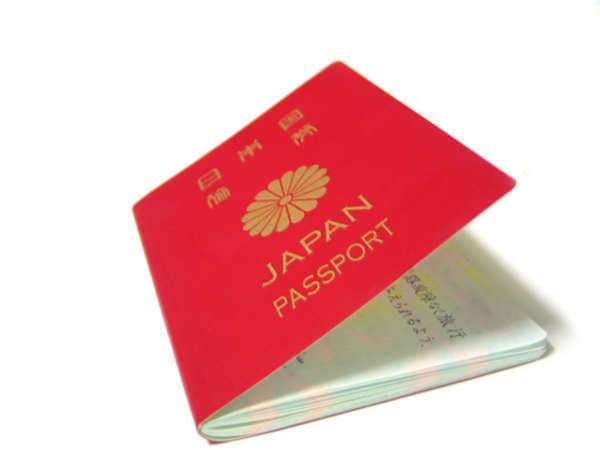
1. Tourist Visa
A tourist visa is required for visitors who wish to travel to Japan for sightseeing or vacation purposes. The visa allows you to stay in Japan for up to 90 days. The tourist visa is non-renewable, and you must return to your home country after its expiration. If you wish to extend your stay in Japan, you must apply for a new visa with a different purpose.
📝 See Also
2. Business Visa
If you plan to visit Japan for business purposes, such as attending a conference or meeting with clients, you will need a business visa. This visa allows you to stay in Japan for up to 90 days. The business visa is also non-renewable, and you must apply for a new visa if you wish to extend your stay.
3. Work Visa
If you plan to work in Japan, you will need a work visa. This visa is issued to individuals who have an employment offer or are transferring to a Japanese branch office of their current employer. The work visa is valid for up to three years and can be renewed if you continue your employment in Japan.
4. Student Visa
If you plan to study in Japan, you will need a student visa. This visa is issued to individuals who have been accepted into a Japanese educational institution. The student visa is valid for the duration of your course of study and can be renewed if you continue your education in Japan.
5. Spouse/Dependent Visa
If you are married to a Japanese citizen or resident, or if you are a dependent of a person with a valid Japanese visa, you may apply for a spouse or dependent visa. This visa allows you to stay in Japan for up to one year and can be renewed as long as the primary visa holder maintains their status.
6. Working Holiday Visa
Japan has a working holiday program with several countries, including Australia, Canada, and the United Kingdom. This program allows young people (18-30 years old) to stay in Japan for up to one year and work part-time to fund their stay. The working holiday visa is non-renewable and has a limited number of slots available each year.
How to Apply
To apply for a visa to Japan, you must visit the nearest Japanese embassy or consulate in your country. The embassy will provide you with the necessary application forms and a list of supporting documents required for your visa type.
You can also apply online for a tourist visa if you are from an eligible country, such as the United States, Canada, or Australia. The online application process is straightforward and involves filling out an electronic form, submitting your supporting documents online, paying the visa fee, and waiting for the embassy to process your application.
Requirements and Documents
To apply for a visa to Japan, you will need the following documents:
- A valid passport with at least six months of validity remaining
- A completed visa application form (available at the embassy or online)
- A recent passport-size photograph
- Proof of financial stability (bank statements, tax returns, etc.)
- Proof of travel arrangements, such as airline tickets or itinerary
- A letter of invitation from a Japanese sponsor (if applying for a business or work visa)
- Proof of employment, such as a letter from your employer or a contract (if applying for a work visa)
- Proof of acceptance into a Japanese educational institution (if applying for a student visa)
Frequently Asked Questions
1. How long does it take to process a Japanese visa?
The processing time for a Japanese visa varies depending on the embassy or consulate in your country. It is best to inquire at the embassy about their processing times and plan accordingly.
2. How much does a Japanese visa cost?
The visa fee for Japan varies depending on the type of visa and nationality of the applicant. It is best to check with the embassy for the current visa fees.
3. Do I need to show proof of accommodation in Japan?
While it is not mandatory to show proof of accommodation, it is highly recommended. You can provide a hotel reservation or a letter of invitation from your sponsor if you are staying with a friend or family member.
4. Can I enter Japan without a visa if I am from a visa-exempt country?
Yes, if you are from a visa-exempt country, you can enter Japan without a visa for up to 90 days. However, you must still meet the entry requirements, such as having a passport with at least six months of validity remaining and proof of onward travel.
5. Can I extend my visa while in Japan?
Yes, you can apply to extend your visa while in Japan if you meet the requirements for your visa type. It is best to consult the immigration authorities for more information on the extension process.
Conclusion
Visiting Japan is a unique and exciting experience, but it requires proper planning and preparation, including obtaining the right type of visa. Whether you plan to travel for tourism, business, work, or study, Japan has several visa options to choose from.
This thorough guide on visas to Japan should equip you with the necessary information and steps to apply for the appropriate visa and make your trip to Japan a seamless and enjoyable experience. Safe travels!
During World War II, Japanese forces allied with the Axis Powers headed by Adolf Hitler's Nazis, were directly responsible for the bombing of Pearl Harbor on December 7, 1941. It was the first air-attack on American soil and a date in American history that will forever be remembered as the day that will live in infamy. Years later, at the end of World War II, the Americans' work on the atomic bomb would come to fruition with the devastation of the cities of Hiroshima and Nagasaki, whose total destruction forced the unconditional surrender of Japan.
Thankfully, the relationship between the United States of America and the empire of Japan has come a long way since then. Not only is there a close relationship between the United States of America and Japan, in both the political and economic senses, but the doors have since been opened increasingly wider and wider for the travel of all kinds of foreign nationals to and from Japan.
1. In terms of following the rules and regulations of travel to Japan, visa documentation is not needed for periods as long as 90 days, as long as the purpose of tourism or business.
2. Special restrictions on transit visas – As stated, for American residents temporarily relocating to Japan, travel visa certification, so to speak, is not necessary for pleasurable visits for three months (90 days) or less. Still, a visa may come into play if you are planning to get to China through Japan. Visa review officials will frequently detain the traveler looking to secure entry to China without a Chinese visa.
3. Working holiday programs – While the working holiday program may be more immediately synonymous with countries like Canada and Australia, this option is, in addition, open to certain visitors to Japan. Travel visas for study and work in Japan are available to the denizens of a number of countries, including France, Germany and Hong Kong.