Chinese Immigrants
📅 2026 Update: Recent Changes in Chinese Immigration
immigration policies, especially affecting visa holders and naturalized citizens. These changes impact Chinese immigrants and others seeking to move to the U.S. for work or family reasons.
🛂 H-1B Visa Restrictions
On September 18, 2026, President Trump extended restrictions on certain nonimmigrant workers, particularly H-1B visa holders. This extension will last for 12 months, until September 21, 2027. Chinese professionals, who often apply for H-1B visas to work in high-skilled jobs, may face tougher entry barriers.
The restrictions aim to protect American workers but can limit opportunities for skilled immigrants.
⚖️ Increased Denaturalization Efforts
This includes targeting naturalized citizens, with quotas and broader criteria. This change raises concerns among Chinese immigrants who may worry about their citizenship status, especially those who have faced scrutiny in the past.
💰 Current Immigration Fees
Individuals immigrating to the U.S. The Immigration Parole Fee also applies to those granted parole into the U.S.
If they are physically present and granted parole, they must pay this fee as of October 16, 2025. These fees can complicate the immigration process for many seeking a new life in the U.S.
⏳ Processing Times
Processing times for various immigration forms have changed.
These longer wait times can impact Chinese immigrants trying to reunite with family members or adjust their status.
📞 Free Help and Resources
For those navigating the immigration process, several free resources are available. The USCIS Contact Center can assist with immigration-related questions at 800-375-5283.
It's advisable for individuals to consult local resources for support during their immigration journey.
📈 Current Immigration Processing Times
As of 2026, processing times for various immigration forms have increased. This is a significant increase from previous years, reflecting the growing backlog and complexity of cases.
Chinese immigrants, like many others, may experience delays in their applications. The median processing time for Form I-90, used to renew or replace a Permanent Resident Card, is currently 7.4 months. These extended times can affect plans for family reunification and employment opportunities.
Individuals are encouraged to stay informed about their application's status and to utilize resources for assistance.
📌 Key Points Summary
- 🛂 H-1B visa restrictions are extended until September 21, 2027, affecting skilled workers.
- ⚖️ Increased denaturalization efforts target individuals who may have obtained citizenship fraudulently.
- 💰 USCIS immigrant and parole fees are necessary for processing immigration applications.
- ⏳ Processing times for immigration forms have increased, impacting family reunification.
- 📞 Free resources are available for legal assistance and immigration questions.
💡 Tips for Chinese Immigrants Navigating U.S. Immigration
📄 Understand Visa Options
Research the different visa types available to Chinese immigrants. H-1B visas are popular for skilled workers, but current restrictions may affect your application process. Knowing which visa suits your situation is crucial for a successful application.
⏳ Be Prepared for Longer Processing Times
Processing times for immigration forms have increased recently. Plan ahead and gather required documents early to avoid delays.
💰 Budget for Immigration Fees
Keep in mind that fees like the USCIS Immigrant Fee and Immigration Parole Fee are necessary for processing your applications. These fees must be paid online and can add up quickly, so ensure you budget accordingly. Understand the payment options available, including having a family member or friend pay on your behalf if needed.
🛂 Stay Informed on Immigration Policy Changes
Changes in immigration policies, such as the extension of H-1B visa restrictions, could affect your ability to work in the U.S. Stay updated on new regulations and consult resources from organizations that track immigration laws.
📞 Utilize Free Resources
Make use of available resources for assistance with immigration questions. The USCIS Contact Center provides support and answers to various immigration-related inquiries. Additionally, local legal aid organizations may offer free or low-cost assistance, helping you navigate the process effectively.
📅 Stay Informed About Processing Times
Understanding processing times for immigration forms is vital for Chinese immigrants. Meanwhile, other forms like Form I-129F take about 8.2 months.
These times can vary based on application volume and other factors.
It's important to regularly check the USCIS Processing Times webpage for updates. This can help you plan and prepare for any delays or issues that may arise. If your case is pending longer than the posted times, consider submitting an inquiry through the USCIS e-Request system.
Staying proactive can help ensure a smoother immigration experience.
🏆 Services for Chinese Immigrants Ranked by User Reviews (2026)
This section highlights services that assist immigrants, particularly in navigating U.S. immigration processes. These services offer support with various immigration forms and applications, making them relevant for Chinese immigrants. The rankings are based on Trustpilot data checked in October 2026.
🥇 1. CitizenPath
CitizenPath has a Trustpilot score of 4.5. It is known for its online immigration form preparation and step-by-step guidance through the immigration process. This service provides a user-friendly experience, which can be particularly beneficial for Chinese immigrants looking to navigate complex forms effectively.
However, some users have reported occasional delays in customer support response. While many reviews praise the platform for its clarity and ease of use, it’s essential to consider this potential drawback when seeking assistance.
💰 Cost Considerations for Immigration Services
When choosing immigration services, cost is an important factor. CitizenPath offers a streamlined online experience for preparing immigration forms. Users appreciate the clear pricing structure, which helps avoid unexpected fees.
However, it’s essential to note that while the service is generally affordable, some individuals may find costs accumulate if they need additional support or have complex cases.
Free resources are also available for individuals seeking assistance. The USCIS Contact Center can help answer immigration questions at no cost. Local legal aid organizations may provide free or low-cost legal assistance, making them a valuable option for those on a tight budget.
Utilizing these resources can help individuals save money while navigating the immigration process.
Reviewers often mention the balance between cost and quality of service. Many users find that paying for a service like CitizenPath is worthwhile due to the step-by-step guidance it offers. In contrast, those who choose free options may appreciate the support but could face longer wait times or less personalized assistance.
Weighing the cost against the quality of service is crucial when deciding which option best suits your needs as a Chinese immigrant navigating the U.S. immigration system.
⏱️ Speed of Service
- 🔹 CitizenPath has a Trustpilot score of 4.5, with many users noting its efficiency in online immigration form preparation.
- 🔹 Reviewers often mention step-by-step guidance that helps them complete forms quickly and accurately.
- 🔹 However, some users have experienced occasional delays in customer support, which may affect overall service speed.
🆓 Free Government or Nonprofit Help
For those needing help with immigration questions, several free resources are available. The USCIS Contact Center offers assistance at 800-375-5283 for general inquiries.
It’s advisable to check local resources for support throughout the immigration journey.
🔎 Key Points to Compare When Choosing Immigration Services
- 📄 Types of forms and applications supported
- 🕒 Processing times and speed of service
- 💰 Fees and payment options available
- 📞 Customer support availability and response times
- 🌍 Reviews and ratings from other users
❓ Frequently Asked Questions
🛂 What are the current visa options for Chinese immigrants?
Chinese immigrants can apply for various visas, including H-1B visas for skilled workers.
💰 What fees should I expect when applying for immigration?
When immigrating to the U.S., individuals must pay the USCIS Immigrant Fee and, if applicable, the Immigration Parole Fee. These fees are required for processing applications and must be paid online.
⏳ How long does it take to process immigration forms now?
Processing times for immigration forms have increased recently.
⚖️ What are the risks of denaturalization for Chinese immigrants?
The Trump administration has expanded denaturalization efforts, targeting individuals who may have obtained citizenship fraudulently. This means that some Chinese immigrants could face risks if they are deemed to have questionable citizenship status.
📞 Where can I find free resources for immigration help?
Free resources are available for immigrants needing assistance. The USCIS Contact Center can provide support at 800-375-5283, and local legal aid organizations might offer free or low-cost legal assistance to navigate the immigration process.
🔍 How can I track my immigration application status?
It's essential to stay informed about your application's progress to address any issues promptly.
🌍 What are the current trends in Chinese immigration to the U.S.?
Chinese immigration trends have evolved significantly in recent years. As of 2026, restrictions on H-1B visas remain a central issue, particularly for skilled workers from China. Proclamation 11069, issued in September 2026, extends these restrictions for an additional year, affecting many potential immigrants seeking work in high-skilled fields.
Additionally, denaturalization efforts have increased under the current administration. This expansion targets individuals perceived to have obtained citizenship fraudulently, raising concerns among Chinese immigrants about their citizenship status.
Overall, these trends reflect ongoing challenges in the immigration system that could impact Chinese immigrants in various ways. Individuals considering immigration to the U.S. should stay informed about current policies and their potential implications.
⚖️ Recent Cases Affecting Chinese Immigration
Recent court rulings have addressed denaturalization efforts and immigration policies that impact Chinese immigrants. These cases highlight the ongoing legal challenges surrounding citizenship status and entry restrictions, particularly for H-1B visa holders.
- BIA rules on immigration case involving Georgia battery convictionBoard of Immigration Appeals · August 12, 2026
- BIA Rules Advance Parole Counts as Departure in ImmigrationBoard of Immigration Appeals · August 13, 2026
- Immigration Court Denies Continuance for Indian NationalBoard of Immigration Appeals · August 14, 2026
- Immigration Court Bond Ruling Overturned by Appeals BoardBoard of Immigration Appeals · August 25, 2026
To stay updated on these important legal developments, readers can check more rulings on the news page.
End of October 2026 Update
Exploring Chinese Immigration: A Brief Overview
Chinese immigrants have played a significant role in the history of the United States. From the gold rush era to the present day, Chinese immigrants have contributed to the country's economy and culture. In this article, we provide a brief overview of Chinese immigration, including its history, demographics, and cultural impact.
History of Chinese Immigration
Chinese immigration to the United States can be traced back to the mid-19th century during the California Gold Rush. Many Chinese men came to the US to work in mines and railways and make a better life for themselves and their families. However, Chinese immigrants faced discrimination and violence in the US, including the Chinese Exclusion Act of 1882, which banned Chinese immigration to the US.
Despite these challenges, Chinese immigrants continued to arrive in the US, and many settled in urban areas, such as San Francisco and New York City. During the 20th century, Chinese immigrants contributed to the US economy, working in industries such as laundry service, restaurants, and technology.
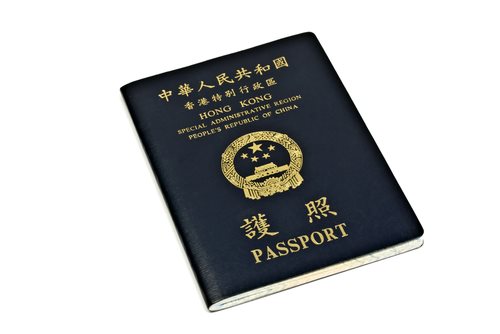
Demographics of Chinese Immigrants
According to the Migration Policy Institute, there were approximately 1.6 million Chinese immigrants in the US in 2019, making up 5% of the immigrant population. The majority of Chinese immigrants are concentrated in California, New York, and Texas.
Chinese immigrants are also known for their educational achievements. According to a report by the National Bureau of Economic Research, Chinese immigrants have higher levels of education compared to other immigrant groups. Many Chinese immigrants hold college degrees and work in high-skilled industries such as science and technology.
📝 See Also
Cultural Impact of Chinese Immigration
Chinese immigrants have made significant contributions to American culture, including cuisine, arts, and entertainment. Chinese food has become an integral part of American cuisine, and Chinese restaurants can be found in cities and towns across the US.
Chinese immigrants have also contributed to the arts and entertainment industries. Chinese-Americans have made significant contributions to Hollywood, including actors, producers, and directors. Many Chinese-American musicians and artists have also gained recognition for their work.
Final Thoughts
Chinese immigration has had a significant impact on the history, demographics, and culture of the United States. Despite facing discrimination and challenges, Chinese immigrants have contributed to the US economy and society. Today, Chinese-Americans continue to make significant contributions to American culture, art, and literature, and their influence can be seen in all aspects of American life.
Chinese immigration to America was a bit different that the European immigration movements. The movement of Chinese immigrants started in the early decades of the 1800s and was primarily based on the West Coast of America, in California. This is when a smaller portion of Chinese individuals had left China and moved over to America. They moved here from China as either students, sailors, or merchants; furthermore, at this juncture in time, the Chinese immigrant population was all men.
Around the start of the Gold Rush in 1849 and beyond there was a large Chinese immigration to America. This was for many different reasons; one of the most basic reasons for the movement was so that individuals could capitalize on the Gold Rush and begin to make their fortune in the United States. However, there were also a number of individuals who worked to help the transportation movement of America by working to construct the railroads.
The later arriving Chinese immigrants moved to groupings of their fellow countrymen throughout the state of California; later these designated groupings of residential living would be called “Chinatowns” and spread throughout the United States. For a duration of time the Chinese immigration to America flowed without conflict. However, that would change when individuals began complaining about the overpopulation of Chinese immigrants and how they were taking away opportunities from other individuals.
When this occurred, America responded with an exclusion act which cut back the allowance of Chinese immigration to America. The individuals who were already in America were allowed to stay, but those that were just trying to get in were rejected upon arrival. This particular act lasted for around 10 years. Overall, from the 1820s to the 1920s, the number of Chinese immigrants in America swelled to around 2 million.