Illegal Immigrants
📅 2026 Update: Changes in Illegal Immigration Trends
Since the original article was published, the landscape of illegal immigration in the United States has experienced significant changes. The unauthorized immigrant population reached a record 15.8 million in mid-2024, a notable increase from the 10.8 million reported in 2019. The demographic profile of these unauthorized immigrants has also diversified, with a decrease in those from Mexico and an increase from Central and South American countries.
This update will highlight key changes regarding illegal immigration, complementing the earlier article that explores its consequences and proposed solutions.
🌍 Diversification of Immigrant Origins
The unauthorized immigrant population is becoming more diverse. The proportion of unauthorized immigrants from Mexico dropped from 62% in 2010 to 35% in 2024. In contrast, there has been a significant rise in immigrants from Central and South America.
This shift affects cultural integration and the social landscape of the U.S.
📉 Decrease in Border Encounters
Migrant encounters at the U.S.-Mexico border fell to 237,538 in fiscal year 2025. This number is the lowest since 1970 and marks a sharp decline from over 1.5 million in fiscal year 2024. The decrease indicates that recent border security measures may be having an impact.
🏛️ Changes in Immigration Policy
In August 2024, the Biden administration ended the CHNV parole program. This decision significantly reduced the number of new unauthorized immigrants entering the U.S. The policy shifts have been aimed at controlling immigration flows while addressing humanitarian concerns.
📊 Financial Impact on Taxpayers
The financial burden of illegal immigration continues to be a pressing concern. While the original article cited costs of about $116 billion a year for taxpayers, current estimates indicate that these costs may still be significant but vary based on evolving immigration policies and enforcement actions.
🔍 Increased Enforcement Actions
Enforcement of immigration laws has intensified. In July 2025, U.S. Immigration and Customs Enforcement (ICE) conducted operations targeting individuals with serious criminal backgrounds, including gang members and drug traffickers.
This focus aims to enhance national security and public safety.
🌍 Changes in Unauthorized Immigrant Origins
The demographic composition of unauthorized immigrants is shifting. From 2010 to 2024, the share of those from Mexico dropped from 62% to 35%. This decline reflects a rise in individuals arriving from Central and South American countries.
Between 2019 and 2024, the unauthorized immigrant population from Central America increased by 2.3 million. Migration from countries like Honduras and Guatemala has become a significant factor in this trend, altering the landscape of illegal immigration in the United States.
📌 Summary of Key Points
- 🌐 Unauthorized immigrant population reached 15.8 million in mid-2024.
- 📉 Migrant encounters at the border decreased to 237,538 in fiscal year 2025.
- 🏛️ End of the CHNV parole program reduced new unauthorized entries.
- 💰 Taxpayer costs related to illegal immigration remain a critical issue.
- 🔍 Increased ICE enforcement targets serious criminals among unauthorized immigrants.
💡 Tips for Navigating Illegal Immigration Issues
📜 Understand Your Eligibility
Before applying for immigration benefits, know the eligibility requirements. This includes understanding lawful entry into the U.S. and having an approved immigrant petition. Familiarize yourself with the specific application forms needed for your situation, such as Form I-485 or Form I-130.
📅 Keep Track of Deadlines
Application deadlines can vary widely depending on the type of immigration petition you are filing. Certain family-sponsored petitions may have annual caps, which can affect processing times. Stay informed about the deadlines relevant to your applications to avoid complications.
💼 Explore Free Resources
Take advantage of free resources offered by nonprofit organizations. Groups like the American Immigration Council and the National Immigration Law Center provide valuable information and assistance.
🔍 Stay Informed About Policy Changes
Immigration policies can change rapidly, affecting your status or application process. Regularly check for updates from the U.S. Citizenship and Immigration Services.
🛡️ Be Aware of Sanctuary Jurisdictions
Some local areas, known as sanctuary jurisdictions, do not fully cooperate with federal immigration enforcement. This can impact your safety and legal status. If you reside in or plan to move to one of these areas, understand how local policies may affect your situation.
📞 Seek Legal Aid When Necessary
If you encounter challenges in the immigration process, consider reaching out to legal aid organizations. These groups can provide guidance and support, especially if you face issues related to your immigration status or rights.
🏙️ Understanding Sanctuary Jurisdictions
Sanctuary jurisdictions are regions that limit their cooperation with federal immigration enforcement. As of May 2025, the Department of Homeland Security identified these areas, which may affect local law enforcement practices regarding illegal immigration.
In sanctuary jurisdictions, local authorities often do not comply with federal requests to detain individuals based solely on their immigration status. This approach aims to build trust within immigrant communities, allowing residents to seek help from local services without fear of deportation. However, it can also lead to tensions between local and federal authorities, impacting public safety and community relations.
It's important for individuals living in these areas to understand the specific policies and regulations that apply. There may be resources available to help navigate the complexities of living in a sanctuary jurisdiction, including local legal aid organizations that can provide support and guidance on immigration matters.
🏆 Top Immigration Services Ranked by User Reviews (2026)
These services can assist with applications, form preparation, and guidance through the complex immigration process.
Scores can fluctuate, and it's important to note that star ratings may not fully represent customer experiences, as unhappy customers often leave more reviews.
🥇 1. Lawfully
Reviewers appreciate the platform's user-friendly interface and the ability to receive timely updates on their cases.
While many customers have had positive experiences, there are some limitations. Lawfully is primarily focused on specific visa categories, which may not cover everyone's needs. Additionally, a few users have reported occasional inaccuracies in the data provided, which is something to consider when using this service.
🥈 2. Boundless Immigration
Boundless Immigration also holds a score of 4.8. Customers find the step-by-step guidance beneficial for preparing necessary documents and understanding the requirements.
However, there are a few caveats noted by users. Some reviewers mention experiencing delays in communication, particularly during busy periods. Additionally, there have been occasional issues with document handling, which could impact the overall experience for some users.
🥉 3. CitizenPath Immigration Services
It is well-regarded for providing affordable and easy USCIS form preparation along with step-by-step guidance throughout the immigration process.
Despite the positive feedback, some users have raised concerns about the availability of customer support. There are instances where customers felt they could not reach out for assistance promptly. Additionally, occasional technical glitches have been reported, which may affect the user experience.
🆓 Free Government or Nonprofit Help
Various nonprofit organizations provide free resources and assistance to individuals dealing with immigration issues. Groups such as the American Immigration Council and the National Immigration Law Center offer valuable information to help people navigate the complex immigration process.
🔎 Comparing Immigration Services
- 💼 Service Offerings: Check what types of immigration support each service provides, such as document preparation or case tracking.
- ⏳ Communication Speed: Consider how quickly services respond to inquiries, as prompt communication can be vital during the immigration process.
- 📉 Limitations: Be aware of any caveats mentioned by users, such as issues with data accuracy or customer support availability.
- 🔎 Cost and Affordability: Evaluate the pricing structures to find a service that fits within your budget while still meeting your needs.
❓ Frequently Asked Questions
🏛️ What is the current unauthorized immigrant population in the U.S.?
As of mid-2024, the unauthorized immigrant population in the U.S. reached 15.8 million, a 47% increase from 10.8 million in 2019. This growth reflects ongoing trends in immigration patterns and policies.
🌍 How has the demographic makeup of unauthorized immigrants changed?
Between 2010 and 2024, the share of unauthorized immigrants from Mexico declined from 62% to 35%. In contrast, there has been a significant increase in immigrants from Central and South American countries, indicating a diversification in the origins of unauthorized immigrants.
📉 Have border encounters changed recently?
Yes, migrant encounters at the U.S.-Mexico border fell to 237,538 in fiscal year 2025. This number is the lowest recorded since 1970, showing a significant decrease compared to over 1.5 million encounters in fiscal year 2024.
❗ What are sanctuary jurisdictions?
Sanctuary jurisdictions are areas that do not fully cooperate with federal immigration enforcement. As of May 2025, the Department of Homeland Security identified these regions, which may influence local law enforcement practices and community safety regarding immigration issues.
⚖️ What enforcement actions are being taken against illegal immigrants?
In July 2025, U.S. Immigration and Customs Enforcement (ICE) conducted arrests targeting individuals with serious criminal convictions, including gang members and drug traffickers. This highlights ongoing efforts to enforce immigration laws and address public safety concerns.
💼 How can I find help with immigration issues?
These groups can help individuals navigate the immigration process and provide guidance on legal options.
⚖️ Recent Cases Impacting Immigration
Recent court rulings have focused on various aspects of immigration law, affecting how policies are enforced and interpreted in the U.S. These decisions may impact the ongoing discussions about illegal immigration, border security, and the rights of unauthorized immigrants.
- Court lifts order blocking immigration transfer of detaineeDistrict Court, D. New Mexico · October 16, 2026
- Immigration Board Denies Asylum for Guinea National S-K-EBoard of Immigration Appeals · July 28, 2026
- Court denies habeas petition of Uzbek immigrant detained by ICEDistrict Court, D. Nebraska · October 16, 2026
- Immigration Board Rules Against Kyrgyzstani Respondent's BondBoard of Immigration Appeals · July 17, 2026
You can stay informed about the latest legal outcomes by checking recent rulings in the news section.
End of October 2026 Update
Illegal Immigrants: The Truth About America's Immigration Problem
Introduction
Illegal immigration is a contentious issue in America that has been the subject of heated political debate for decades. The complex issue has been at the forefront of numerous discussions and is one of the most divisive topics in American politics today. Illegal immigration occurs when a foreign national enters the United States without proper documentation or violates the terms of his/her entry. These individuals risk deportation, arrest, or detention. In this article, we will discuss the negative impacts of illegal immigration in the United States and propose potential solutions.
The Consequences of Illegal Immigration in America
1. Strain on the Healthcare System
Illegal immigrants in the United States often lack health insurance coverage and depend heavily on public hospitals and clinics for medical care. This places a significant financial burden on states and contributes to the escalating cost of healthcare. The resultant overcrowding of emergency rooms is common, making it difficult for citizens in need of medical attention to receive adequate care. A study by the Federation for American Immigration Reform (FAIR) estimated that illegal immigrants cost U.S. taxpayers approximately $18.5 billion annually for healthcare expenses.
📝 See Also
2. Demographic Shift
Illegal immigration contributes to a shift in the demographic profile of the United States. This shift can be felt both culturally and economically. In some areas, it leads to the creation of “ethnic enclaves,” neighborhoods where immigrants of the same origin cluster together. These communities disrupt the social fabric of American society and limit integration into mainstream culture. Similarly, lower-skilled immigrants tend to share cultural and linguistic heritage, making it difficult to acquire the language and workplace skills needed to advance economically.
3. Strain on Education and Public Services
The influx of illegal immigrants has created a surge in population growth, leading to a significant increase in demand for public services like schools. Schools that serve high populations of non-English speaking students are already struggling to keep up, which in turn negatively impacts the education of American students. FAIR estimates that illegal immigration costs the nation an estimated $12 billion per year for K-12 education benefits.
4. Job and Wage Depression
Illegal immigration leads to increased competition for jobs, which can lower wages and job security for citizens and legal immigrants. Low-skilled, non-English speaking illegal immigrants are often willing to work for lower wages, which contributes to stagnant wage growth and drives down wages for all workers in certain industries.
5. National Security and Public Safety
The porous nature of the U.S. border and lax enforcement of immigration law has allowed criminals, terrorists, and drug traffickers to enter the country illegally. The possibility of terrorism and drug trafficking into the United States is significantly increased when unvetted individuals are allowed to enter the country unchecked. This poses a considerable threat to national security.
6. Impact on Taxpayers
Illegal immigration places a considerable financial burden on U.S citizens, who must bear the brunt of the costs associated with healthcare, education, and welfare programs. According to a report released by the Federation for American Immigration Reform (FAIR), illegal immigrants cost the U.S. government nearly $116 billion a year.
Proposed Solutions to Illegal Immigration
Given the negative impacts of illegal immigration on America, policymakers must consider different strategies to address the problem. Policy options include:
1. Enhanced Border Control
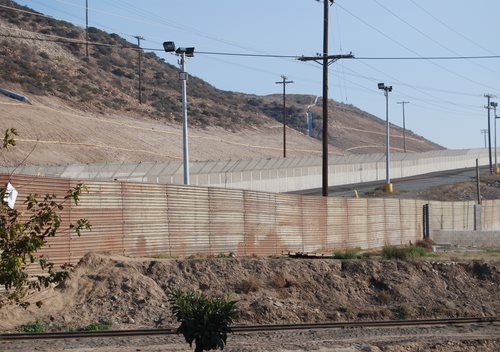
Policymakers need to prioritize the establishment of secure borders as this is the most effective way to control the influx of illegal immigrants into the country. Solutions such as constructing a wall or installing technology to detect and deter illegal immigrants will help reduce the number of individuals entering the U.S. illegally.
2. Removing Incentives for Illegal Immigration
Many illegal immigrants come to the United States due to the promise of a better life, including access to welfare benefits and better-paying jobs. Addressing these issues requires policymakers to overhaul the welfare system, implement stricter means-testing for benefits, and disincentivize employers from hiring illegal immigrants through harsher penalties for non-compliance.
3. Deterrents
Policymakers should establish penalties that would ensure that illegal immigrants feel the repercussions of entering the country unlawfully. This would create a negative incentive for individuals considering entering the United States illegally.
4. Law Enforcement Measures
Policymakers should take stringent measures to locate and remove foreign nationals who have overstayed their visas or entered the U.S. illegally. Examples of such measures include increased surveillance of border crossings, enhanced monitoring of migrant communities, and intensifying workplace raids.
5. Addressing the Source of the Problem
The U.S. immigration system needs to undergo a comprehensive overhaul. This would include streamlining of the legal immigration process to ensure employment-based visas are more accessible to foreign nationals and addressing immigration backlog issues. Additionally, the government should encourage foreign governments to take measures that reduce poverty, inequality, and other factors that encourage immigration.
Conclusion
Illegal immigration has several adverse effects on the United States, ranging from economic to national security consequences. The problem has led to heated debate and increased political tensions. Policymakers must find ways to address the problem comprehensively, considering factors such as border security, welfare policies, employment opportunities, and measures to discourage illegal immigration. Through a combination of measures, we can mitigate the problem of illegal immigration and create meaningful change that benefits American citizens, legal residents, as well as those who follow the correct legal channels to become U.S. citizens.
Illegal Immigration
What is Illegal Immigration?
In the United States, illegal immigration refers to the act of foreign nationals violating American immigration policies and laws through the entering or remaining in the country without receiving proper authorization from the Federal Government. An illegal immigrant refers to a non-citizen, who has entered the United States without government permission or has stayed beyond the termination date of their visa. You may be termed an “illegal immigrant” in one of the following three Ways:
·
Illegally Entering the United States:
Also referred to a “Border Crossing Card Violator” these individuals enter the United States migrate via illegal entry. A common method of border crossing is to hire professional organizations who smuggle illegal immigrants across the United States’ borders. The Mexican/American border is the most common access point
for illegal immigration. These individuals are classified as having evaded the United States’ border patrol police and immigration inspecting agencies. This method of illegal entry accounts for roughly 6.5 million illegal immigrant statuses in the United States.
Overstaying your Visa:
The individual entered the United States in a legal fashion (obtained a Visa) but stayed beyond the allotted time period in the nation or violated the terms of legal entry. Roughly 5 million migrants entered America with a legal visa; tourists and students are the most common groups to secure visas before traveling to the United States. Their status of a legal migrant changes to “visa overstay” once the individual remains in the United States after their authorized time of admission has expired. The time allotted by a visa will vary based on the visa class the individual secured. The majority of these illegal immigrants enter the country with tourist or business visas.
Border Crossing Card Violations:
This method accounts for a smaller number of illegal immigrants. The Border Crossing Card is a form of identification that enables an individual to cross into the United States for a limited amount of time. These entry accounts for the majority of registered non-immigrant entry into America.
Laws Surrounding Illegal Entry or Over-Staying:
An immigrant may be classified as illegal for the following three reasons: the individual enters without inspection or authorization, the individual stays beyond an authorized period following legal entry, or the individual violates the terms of legal entry.
The laws revolving around illegal entry or overstaying are found in Section 1325 in Title 8 of the United States Code. This section, titled “Improper Entry of Alien” will provide a fine or imprisonment (or both) for any immigrant who:
1.Enters or attempts to enter America at any time or location other than what was designated by the United States Government (immigration official, or
2.Any individual who eludes inspection or examination instituted by the United States Government and its immigration agents, or
3.Any individual who attempts to enter the United States by providing a false or misleading representation of oneself or through a willful concealment of fact. For instance, if you provide a false passport, driver’s license or pretend to be anyone else, you will be charged with attempting to enter the
United States in an illegal fashion.
The maximum prison sentence for an individual caught in the act of violating immigration policy is 6 months for the first offense and additional 2 years for any subsequent offense.
How does the United States Enforce Illegal Immigration Laws?
The United States government is attempting to crack-down on illegal immigration. If you have over-stayed your visa or illegally crossed the border, chances are, the United States government will uncover documentation
that leads to your imprisonment or deportation. The following methods are used by the United States government to curb and reveal cases of illegal immigration:
Protection at the Border: The United States Customs and Border Protection agency is responsible for arresting individuals who attempt to illegally enter the United States. The United States Border Patrol is a uniformed law enforcement agency that is responsible for deterring, detecting and subsequently apprehending
those individuals who enter the United States in an illegal fashion—without permission from the government and outside the designated points of entry.
Workplace Investigations: The United States government conducts audits on employment records (the Immigration and Customs Enforcement Agency initiates the audits) to reveal any discrepancies with regards to identification records and the documentation itself. Workplace audits may result in deportation if absolute evidence of illegal immigration is uncovered. Immigration authorities, during workplace investigation, will alert employers of mismatches between an employees’ Social Security card and the actual identification information of the card holder. In addition to employment records, an immigrant’s visa is perpetually updated and observed by the United States government. Simply put, the government will know, through your employer, as to when your visa expires.
What is the Punishment Associated with Illegal Immigration?
Individuals who are caught illegally immigrating will face detention, imprisonment or deportation. The United States, per year, holds roughly 300,000 illegal immigrants in immigration detention centers. An illegal immigrant’s deportation is determined in administrative or removal proceedings, held by the government in accordance with United States immigration law. A removal proceeding is typically conducted in an Immigration Court and held by an immigration judge. If the individual is found guilty of illegally immigrating, he/she may be sent back to their home country and barred from re-entry to the United States. Complications in deportation will arise when the parents are deemed illegal immigrants, but their children were born in America.
Laws Surrounding Deportation:
If you do not have a Visa, a Green Card or citizenship in the United States and are currently living in the country, you are subject to deportation. Getting deported is a very serious aspect of immigration law; it
is the process of the United States government removing illegal immigrants from the country. Deportation may eliminate your ability to secure a visa in the future. The United States Government may deport you for the following reasons:
·If you enter the United States while being deemed “legally inadmissible” by the immigration laws of the federal government
·Entering the country without a legal visa
·Failure to renew a conditional permanent residency visa
·Aiding an illegal immigrant with entering the country
·Conviction of a criminal offense
·Endangering national or public security
·Participating in a fraudulent marriage for the purpose of securing an immigrant visa
The Legalization Process:
There are several ways to become a legal resident of the United States. The exact procedure to obtain legalization will depend on your location, your background and your residency status. Before you can obtain a
Green Card (permanent residence) you must become legal. If you are residing--because of illegal crossing or an expired visa--in the United States as an illegal immigrant, you must obtain legalization thru your family (if permanent residents or American citizens), your place of employment, the United States military, thru marriage or from an educational endeavor. The term “legalization” refers to securing a Visa. This document will enable you to maintain residence in the United States for a certain period of time. It is crucial to understand that all visas have expiration dates—Green Cards and Citizenship are permanent, not Visas. Before your expiration date, you must secure a Green Card through marriage, the military or a family member.
To acquire legalization you must engage in or be categorized as one of the following: a family-based immigrant, a member of the United States Armed Forces, a worker or student with exceptional skills, an employment-based worker, or an asylum seeker/refugee. The visas associated with these categories are all temporary; however, they will enable you to live in the country legally and acquire permanent residence/citizenship in the future.
Legalization from Family Members:
A number of people become legalized by way of their family members. The following individuals may be eligible to legally live in the United States:
·Any immediate relatives of American citizens, including spouses, unmarried children under the age of 21, and parents of American citizen petitioners 21 years or older.
·Family members of green card holders, including spouses and unmarried children of the sponsoring individual
·A family member of an American citizen who fits into a preference category, including unmarried children over the age of 21, brothers and sisters of an American citizen petitioner over 21 and married children of any age.
·Members of special categories, including battered children or spouses, individuals born to foreign diplomats in the United States, a widower of a United States’ citizen or a K non-immigrant.
Process of Legalization through Family:
To promote family unity, United States immigration law enables citizens to petition for qualified relatives to live permanently in America. As stated above, eligible relatives include, spouses, unmarried children under the age of 21 and parents of the U.S. citizen if over 21. These individuals possess special immigration priority; they do not have to wait in line for a visa to immigrate because the government offers an unlimited number of visas to immediate family members of citizens or green card holders.
Being an immediate relative of a US citizen allows you to apply for residency through the filing of Form I-485 (Application to Adjust Status or Register Permanent Residence). While filling this form out your American
citizen petitioner must file Form I-130 (Petition for Alien Relative). When filing Form I-130, your petitioner must provide proof of status to demonstrate permanent residency and must submit evidence to qualify your relationship. Permitted evidence includes: a birth certificate, divorce decree or marriage certificate.
When your relative or spouse is petitioning, the government will observe the following preference categories:
·First Preference: All unmarried, adult sons and daughters of American Citizens (Adult encompasses all individuals over the age of 21)
·Second Preference (2A): Spouses of green card holders and unmarried children under the age of 21 of permanent residents
·Second Preference (2B): Unmarried adult sons and daughters of green card holders
·Third Preference: Married sons and daughters of a United States citizen
·Fourth Preferences: Sisters and brothers of adult American citizens.
A visa will become available to the above preference categories depending on their priority dates (the date the I-130 form was filed).
If you are living outside of the United States and are an immediate relative of a U.S. citizen you can apply for permanent residency by engaging in consular processing. This procedure connects the USCIS with your Department of State to issue a permanent visa assuming the approval of Form I-130.
Legalization through Marriage:
A fiancé visa is one of the most common ways to obtain citizenship. If you are planning on marrying a US citizen, your partner will file the petition to award you with permanent residence. When filing the petition, your partner must satisfy the following requirements:
·The petitioner must be a citizen of the United States
·The petitioner must show that they intend on marrying you within 90 days of your entry into the United states
·You and your fiancé are both available to marry and previous marriages have been legally terminated by death, annulment or divorce
·You met each other in person at least once within 2 years of filing the petition.
If you are living outside of the United States and are an immediate relative of a U.S. citizen you can apply for permanent residency by engaging in consular processing. This procedure connects the USCIS with your Department of State to issue a permanent visa assuming the approval of Form I-130.
Legalization through Employment:
Every year, thousands of people are legalized through an employment opportunity. The approval for a work visa will require certification from the United States Department Labor. The United States Government, before issuing the visa, will investigate the need for the specific job. The Government must see a lack of U.S. workers who are able, qualified, willing or available to satisfy the job requirements in that particular area. The Government will ensure that no American workers are displaced through the issuance of the visa.
A visa will also be given for employment if you are considered a “highly skilled worker” or in possession of extraordinary abilities in a specific field. These workers are typically sought-after by the United States government. For instance, in 2002, a number of computer technicians and programmers were awarded a work visa.
Process for Acquiring a Green Card through Employment:
The majority of employment categories will require your employer to obtain a labor certification then subsequently file Form I-140, (The Immigrant Petition for Alien Worker) for you.
Green Cards may also be offered to entrepreneurs/investors who are seeking to make a substantial investment in an entity or enterprise that creates new jobs.
Visas for Students:
If you are interesting in becoming a full-time student in the United States, you will need to acquire either an M-1 Student Visa or an F-1 Student Visa. To acquire temporary legalization with a student visa you must meet the following criteria:
·You must be enrolled in an educational program, a vocational program or a language-training program.
·Your academic institution must be approved by the USCIS.
·You must be enrolled as a student (full-time) at the academic institution.
·You must be proficient in the English language or be enrolled in classes leading to fluency
·You must have enough money to support yourself during the course of study
·You must maintain a home abroad that you have no intention to give up.
The F-1 Student Visa enables you to enter America as a full-time student at an accredited university, college, academic high school, elementary school or language training program. You must be enrolled in a course of study that culminates in a degree or certificate. Your school must also be authorized by the United States Federal Government to accept international students.
The M-1 Student Visa is for vocational students or students of non-academic programs (other than language courses).
Citizenship and the Military:
Members and certain veterans of the United States armed forces may be eligible for citizenship through their military service. Qualifying military service refers to participation in the United States Army, Air Force, Navy, Marine Corps, Coast Guard and certain branches of the National Guard.
Those who honorably serve in the United States Armed Services (at any time), will be deemed eligible to apply for citizenship; however, the applicant must satisfy the following requirements:
·Be at least 18 years of age
·Be able to read, write and speak basic English
·Maintain permanent residency at the time of the application
·Possess strong moral character
·Have a knowledge of U.S history and government
·Have resided in the United States, continuously, for at least give years and have been physically present in the country for at least 30 months out of the 5 years preceding the application.
Spouses and children of military members are also deemed eligible to apply for citizenship assuming they pass the following criteria:
·Be at least 18 years of age
·Establish that his or her spouse or parent is
deployed abroad as an active service member
·Be present in the United States pursuant to admission for permanent residence or at the time of naturalization
·Be able to read, write and speak English
·Have a basic knowledge of United States’ government and history.
Legalization through Asylee or Refugee Status:
If you were admitted to the United States as a qualifying member of an asylee or as a refugee, you may apply for permanent residence 1 year after your entry into America. If you were granted asylum in America, you may apply for permanent residency 1 year after you secured your status.
To apply for a Green Card you must file the Form I-485 (Application to Register Permanent Residence or Adjust Status). If your asylum status is granted, you should file, in addition to Form I-485, a completed Form I-693 (Report of Medical Exam and Vaccination Record), a completed Form I-602 (Application by Refugee for Waiver of Grounds of Excludability), a copy of your I-94 Card, a completed Form G-325A, two passport-style photos and certified copies of court records if you were ever arrested.
Form I-485 is also required if you are applying for a Green Card through Refugee status. In addition to Form I-485, you should enclose with your application two photos, Form G-28, Form G-325A, Form I-693 (only needed if there were medical grounds of inadmissibility at the time you arrived in America).
What Happens After I Acquire Legalization?
·After you acquire legalization you must obtain permanent residency (a green card) to live in the United States. All visas have expiration dates—if you stay in the United States past your expiration date you
will become an illegal immigrant again. Once you stay in the United States for at least five years, demonstrate proficiency for English and knowledge for United States’ history and government, you may obtain citizenship. The primary motives for immigrants to acquire citizenship is to vote in public elections and assist their relatives immigrate to America.
Other Ways to get a Green Card:
The majority of immigrants attain permanent resident through their job or family; however, there are several other ways to attain a green card, including:
·American Indian Born in Canada
·Cuban Native or Citizen
·Member of the Armed Forces
·Registry
·Person born to Foreign Diplomat of the United States
·Informant (S Nonimmigrant)
·Haitian Refugee
·Amerasian Child of a U.S. Citizen
·Diversity Immigrant Visa Program
·Help HAITI Act of 2010
·Legal Immigration Family Equity Act
·Lautenberg People
·Victim of Criminal Activity (U Nonimmigrant)
·Victim of Trafficking (T Nonimmigrant)
What are my Rights and Responsibilities as a Legal Immigrant?
Once you have obtained legalization you are allowed to live in the United States and enjoy the following rights:
·The right to live in America provided that you do not commit any crimes or engage in any actions that would make you removable according to immigration law
·You have the right to work in the Unites States at any place of your choosing.
·You have the right to be protected by all American laws, including those found at the federal, state and jurisdictional.
As a legal immigrant of the United States you are responsible for the following:
·You must obey all laws of the United States, including all federal, state and jurisdictional.
·You are required to file income taxes and report your income to the United States Internal Revenue Service, as well as state taxing authorities
·If you are a male between the ages of 18 and 25, you are required to register with the Selective Service.
·You are expected to support the democratic process and not alter the government through any illegal means.
One of the most notable privileges in the United States is the right vote in public elections. There are a number of elections in the United States, including, federal, state and local election. Only citizens of the United States can vote in the federal election. Voting in a federal election (or registering to vote) is a crime if you are not a citizen of the United States. Permanent residents may be denied naturalization if they attempt to vote in federal elections.
The right to vote in local elections is based on state law. You can obtain information regarding your voting rights in local elections from your local voting authorities. For all questions regarding your illegal immigration status, please visit the United States Citizenship and Immigration Services website located a https://www.uscis.gov/portal/site/uscis. You may also contact the USCIS at 1-800-767-1833.