Immigration to Singapore
📅 2026 Update: Immigration Changes Affecting US Citizens
immigration policies and procedures. These updates include new visa restrictions and increased efforts for denaturalization. As immigration laws evolve, it is essential to stay informed about these developments, especially for those considering immigration to Singapore from the U.S.
The earlier article continues further down this page for additional context.
📄 H-1B Visa Restrictions
The H-1B visa program has faced notable changes. On September 18, 2026, President Trump issued Proclamation 11069. This proclamation extends restrictions on certain nonimmigrant workers, particularly H-1B visa holders, for an additional 12 months.
These restrictions will remain in effect until September 21, 2027. This could impact U.S. citizens planning to work in Singapore under this visa category, as it limits entry for those seeking employment.
⚖️ Increased Denaturalization Efforts
Another important change is the increased denaturalization efforts by the U.S. government. The Trump administration is actively expanding these efforts, targeting individuals deemed to have fraudulently obtained citizenship. This expansion utilizes quotas and broadens targeting criteria.
If you are a U.S. citizen considering immigration or residency in Singapore, it's crucial to be aware of how these policies can affect your status.
💰 Current Fees and Costs
New fees have been introduced for various immigration processes. Individuals immigrating to the U.S. This fee is used to process the immigrant visa packet and create the Permanent Resident Card.
Additionally, starting October 16, 2025, individuals granted parole into the U.S. must pay an Immigration Parole Fee if they are present in the country and granted parole.
⏳ Processing Times
Processing times for several immigration forms have changed. Meanwhile, Form I-129 (Petition for a Nonimmigrant Worker) shows a median processing time of 5.1 months.
These changes indicate that applicants should plan accordingly when considering immigration to Singapore or any visa-related processes.
📞 Free Government Help
For those navigating immigration queries, the USCIS Contact Center offers assistance. Individuals can reach out at 800-375-5283 for questions related to their immigration status. Additionally, various nonprofit organizations provide free or low-cost legal assistance.
It is advisable to consult local resources or the American Bar Association's directory for more information.
📌 Key Points Summary
- 🔹 H-1B visa restrictions now extend until September 21, 2027.
- 🔹 The denaturalization process is expanding, targeting those with fraudulent citizenship claims.
- 🔹 Processing times for important forms have increased, such as the I-130 taking up to 12.8 months.
- 🔹 Free assistance is available via the USCIS Contact Center and local legal aid organizations.
💡 Tips for Immigration to Singapore
Review the specifics of your immigration situation with your attorney.
🌏 Understand Visa Types
Familiarize yourself with the different visa types available for Singapore. These include Employment Pass, S Pass, and EntrePass, each catering to specific job roles and eligibility criteria. Knowing which visa to apply for will streamline your application process.
📄 Gather Required Documents
Before applying, make sure you have all necessary documents ready. This includes your passport, educational certificates, employment contract, and medical report. Having these documents in order can help avoid delays in processing.
🩺 Pass Medical Requirements
Be prepared for a medical examination as part of the visa application. This examination typically includes a chest x-ray and blood tests. Meeting health requirements is crucial for visa approval.
💸 Be Aware of Costs
Understand the costs associated with your visa application. For instance, the application fee for an Employment Pass is SGD 105, while the fee for an EntrePass is SGD 70. Budgeting for these fees ahead of time can prevent unexpected financial strain.
⏳ Check Processing Times
Stay informed about the current processing times for your visa application. For example, the median processing time for Form I-130 is about 12.8 months. Being aware of these timelines can help you plan your move more effectively.
📞 Utilize Free Resources
Take advantage of the resources available for immigrants. The USCIS Contact Center can assist with immigration-related questions, and various nonprofit organizations offer free or low-cost legal help.
🏠 Plan Your Accommodation Early
Finding a place to live in Singapore can be challenging due to high demand and limited options. Start looking for accommodation as soon as your visa application is submitted. This will give you a better chance to explore different neighborhoods and find a place that suits your needs and budget.
Consider temporary housing options like serviced apartments or Airbnb while you search for a long-term rental. Having a place to stay upon arrival can ease your transition and allow you to focus on other important tasks, like settling into your new job or school. Be prepared with the necessary documents and funds to secure a rental, as landlords often require proof of employment and a deposit.
🏆 Immigration Services Ranked by User Reviews (2026)
This section highlights services that assist with immigration-related tasks, particularly for those considering a move to Singapore. The ranking is based on Trustpilot scores as of October 2026. These scores can change over time, so it’s important to review recent feedback.
While high ratings are a positive sign, they are only one aspect of service quality. Often, unhappy customers leave more reviews, which can skew perceptions.
The services below have been recognized for their support in navigating immigration processes, which aligns well with the content of this article. Each entry includes details about user ratings and what the service is known for, along with potential drawbacks.
🥇 1. CitizenPath
CitizenPath has been rated 4.5 stars. Reviewers appreciate the clear instructions and user-friendly platform, which can simplify the often complex immigration process.
However, some users mention delays in customer support responses. This could be a concern if immediate assistance is needed during the application process.
⏰ Processing Times for Immigration Services
When considering immigration services, processing times can be a crucial factor. CitizenPath is known for providing clear guidance on form preparation, which may help streamline the application process. However, the median processing times for various forms with USCIS can vary significantly.
Long waits can be frustrating, especially when immigration plans are tied to job offers or family reunification. While CitizenPath may assist with preparation, it's important to keep in mind the overall timeline dictated by USCIS. Users should be aware that various factors, such as workload and case complexity, may affect how quickly applications are handled.
For those in need of immediate assistance or quicker resolutions, understanding the standard processing times can help set realistic expectations. Individuals may want to monitor their application status regularly and consider reaching out to USCIS if their case exceeds the posted processing times.
🆓 Free Government and Nonprofit Help
For those looking for assistance without the cost, several free government and nonprofit resources are available. The USCIS Contact Center offers support for immigration-related questions. Individuals can reach them at 800-375-5283.
Consulting local resources or the American Bar Association's directory can help individuals find appropriate support.
🔎 Key Factors to Compare Immigration Services
- 📈 User Ratings: Look at the average star ratings and number of reviews.
- 📋 Service Offerings: Check what specific immigration services are provided.
- ⏰ Response Times: Consider how quickly customer support responds to inquiries.
- 💰 Costs: Understand any fees associated with the services offered.
- 📞 Accessibility: Evaluate the ease of reaching support for questions or issues.
❓ Frequently Asked Questions
🌍 What are the basic eligibility requirements for a visa to Singapore?
To apply for a visa to Singapore, you must be at least 18 years old, have a degree or diploma from a recognized institution, and pass a medical examination. A clean criminal record and a job offer from a registered Singaporean employer are also necessary for employment-based visas.
📝 How long does it take to process a visa application?
The processing time for visa applications can vary. For instance, it typically takes several weeks for applications to be processed, depending on the visa type and the workload at the Ministry of Manpower. Checking the latest updates on processing times can help you plan better.
💵 What fees should I expect when applying for a visa?
Application fees for various visas differ. For example, the Employment Pass costs SGD 105, while the S Pass is SGD 60. Additionally, there may be security bonds or levies required, depending on the visa type and employer.
📅 Can I renew my visa once it expires?
Yes, many work visas in Singapore can be renewed as long as the employment continues and the visa holder meets the necessary criteria. For example, the Employment Pass and S Pass can be renewed, but the Personalised Employment Pass can only be renewed once.
🏢 What should I do if my visa application is denied?
If your visa application is denied, you can inquire about the reason for the denial and whether you can appeal the decision. Understanding the specific grounds for denial can help you address any issues in a future application.
📞 Where can I find help with the immigration process?
For assistance with immigration-related questions, you can contact the USCIS Contact Center at 800-375-5283. Additionally, local legal aid organizations may offer free or low-cost legal help for immigrants navigating the application process.
⚖️ Recent Cases Impacting Immigration to Singapore
Recent court rulings have influenced immigration processes and policies, particularly regarding denaturalization efforts and visa restrictions. These cases highlight the evolving landscape of immigration law, which can affect individuals seeking to move to Singapore.
- Immigration Appeals Board Rules on Hardship Case for FatherBoard of Immigration Appeals · July 16, 2026
- Board of Immigration Appeals rules on torture claim caseBoard of Immigration Appeals · June 18, 2026
- Immigration Board Denies Waiver for Jamaican RespondentBoard of Immigration Appeals · June 26, 2026
- BIA rules on asylum fee impact in immigration casesBoard of Immigration Appeals · July 24, 2026
For more information on how these rulings may impact immigration, you can check more rulings on the news page.
End of October 2026 Update
Immigration to Singapore: A Comprehensive Guide
Singapore has always been a popular destination among expats and immigrants, thanks to the country's thriving economy, excellent healthcare system, and a high standard of living. As a result, the island city-state has become one of the most cosmopolitan and diverse societies in the world. In this article, we will explore the various aspects of immigration to Singapore, including the different types of visas available, requirements, and procedures for application.
Types of Visas:
To live and work in Singapore, you need a valid work visa or permanent residency status. The following are the different types of visas available:
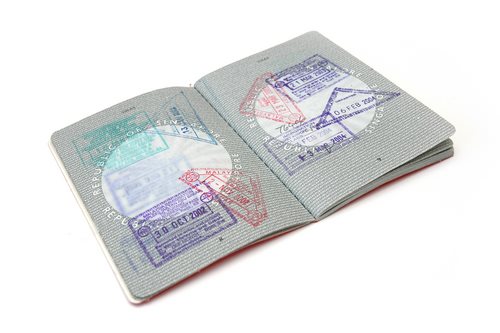
1. Employment Pass (EP): This work visa is for foreign professionals, managers, and executives who have a job offer in Singapore. The EP is valid for up to two years and can be renewed as long as the employment continues.
2. EntrePass: This work visa is for foreign entrepreneurs who want to start and operate a business in Singapore. The EntrePass is valid for up to two years and can be renewed as long as the business is viable.
3. S Pass: This work visa is for mid-level skilled workers who have a job offer in Singapore. The S Pass is valid for up to two years and can be renewed as long as the employment continues.
4. Personalised Employment Pass (PEP): This work visa is for high-earning foreign professionals who are not tied to a specific employer. The PEP is valid for up to three years and can be renewed only once.
5. Long-Term Visit Pass (LTVP): This visa is for foreign spouses and unmarried children (below 21 years old) of Singapore citizens or permanent residents. The LTVP is valid for up to two years and can be renewed as long as the underlying relationship continues.
6. Permanent Residency (PR): This status allows individuals to live and work in Singapore indefinitely. PRs enjoy most of the benefits and rights of citizens, except for voting rights and compulsory military service.
Requirements:
To be eligible for any of the above visas or PR status, you need to meet the following requirements:
1. Qualifications: You must have a degree or diploma from a recognized institution, or sufficient professional experience in a relevant field.
2. Age: You must be at least 18 years old.
3. Health: You must pass a medical examination that includes a chest x-ray and blood tests.
4. Background: You must have a clean criminal record and no history of immigration offences.
5. Employment: For employment-based visas, you must have a job offer from a registered Singaporean employer, who will sponsor your visa application.
6. Entrepreneurship: For the EntrePass, you must have a viable business plan, sufficient funds, and relevant experience in the proposed industry.
7. Family ties: For the LTVP and PR, you must have a spouse or parent who is a Singapore citizen or permanent resident, or a child who is a Singapore citizen.
Procedures:
The procedures for applying for a visa or PR status are as follows:
1. Employer endorsement: For employment-based visas, your Singaporean employer must first apply for an Employment Pass, S Pass, or EntrePass before you can apply for your own visa. The employer must submit your particulars, job details, and salary information to the Ministry of Manpower (MOM) online.
2. Visa application: Once the employer's application is approved, you can apply for your own visa or PR status through the MOM's online system. You will need to upload your documents, such as passport, educational certificates, employment contract, and medical report. The processing time varies depending on the visa type and workload.
3. In-principle approval (IPA): If your application is successful, you will receive an IPA letter, which is a provisional visa or PR status, valid for two to six months. You can use the IPA letter to enter Singapore, obtain a pass sticker, and complete other formalities.
4. Pass sticker: You must collect your pass sticker, which is affixed on your passport, within two weeks of arrival in Singapore. You must present your IPA letter, passport, and other supporting documents to the immigration office.
5. Completion of formalities: After receiving the pass sticker, you must complete other formalities, such as registering with the relevant authorities, setting up a bank account, and finding accommodation.
Costs:
The costs for applying for a visa or PR status are as follows:
1. Application fee: The application fee varies depending on the visa type. The fee for an EP is SGD 105. The fee for an EntrePass is SGD 70. The fee for an S Pass is SGD 60. The fee for a PEP is SGD 144.
2. Security bond: For certain visa types, such as EP and S Pass, your employer may need to post a security bond, which ranges from SGD 5,000 to SGD 20,000 depending on the company's size and industry.
3. Levy: For certain visa types, such as S Pass, your employer must pay a monthly levy, which ranges from SGD 330 to SGD 650 depending on your salary and industry.
4. PR application fee: The application fee for PR status is SGD 100, which is non-refundable.
Conclusion:
Immigrating to Singapore is a complex process that requires careful planning, eligibility, and compliance with regulations. However, if you meet the requirements and follow the procedures, you can enjoy a rewarding and fulfilling life in this vibrant city-state. With its rich cultural diversity, excellent infrastructure, and dynamic business environment, Singapore is indeed an attractive destination for global talent and entrepreneurs.
Immigration to Singapore is a movement that requires sufficient documentation and funds in order for it to be possible. When it comes to a prolonged stay in Singapore, Singapore Immigration requires that individuals be able to explain the reason for their stay in Singapore; this requires job documentation or family visitation, or various other proof of why an individual is requesting to stay.
This also requiresThis ensures the nation that those who are requesting a shorter stay do not have the intentions of remaining there after their time has expired. Immigration to Singapore also requires that individual make the proper arrangements of accommodations and have sufficient funds to be able to sustain their time in Singapore.
However, there are more specific guidelines and regulations that are given along with the forms to fill out for Immigration to Singapore. These guidelines and customs help to educate the prospective mover on their requirements while still in the nation. Individuals must understand the laws and how they are supposed to represent themselves, in order to even be considered for approval of a work-visa, or permission to live within the nation for a duration of time. There are many different types of passes for Immigration to Singapore; social visitors passes, spousal passes, work passes, student passes, and many more; each with their own set of rules and requirements.