Problems with the Green Card Lottery
📅 2026 Update: Changes to the Green Card Lottery and Immigration Policies
immigration policies. The Diversity Visa program, which previously offered up to 55,000 visas annually, has been suspended as of December 2025.
This means many immigrants may now face new challenges in adjusting their status.
Below are the key updates that affect the program and applicants.
📉 Suspension of the Diversity Visa Program
In December 2025, the Diversity Visa program was officially suspended. The suspension has left many applicants without a path to permanent residency, increasing uncertainty for those hoping to immigrate to the U.S.
🚫 Visa Issuance Restrictions
In January 2026, the U.S.
This change drastically reduces the number of visas available and impacts many individuals seeking to immigrate to the U.S.
⏳ New Application Process Challenges
With the suspension of Green Card applications, qualified immigrants must now leave the U.S. to adjust their status. This requirement adds complexity and stress to the immigration process. It is unclear how many individuals will be affected, but the backlog could increase as more applicants face these new rules.
💰 Increased Costs for Processing
For those applying for employment-based Green Cards, the premium processing fee has risen to $2,805. As the backlog grows, many may feel pressure to pay for faster processing.
📈 Labor Market Concerns
Critics of the Green Card Lottery argue that allowing foreign workers can harm the labor market.
📊 Changes in Immigration Trends
In Fiscal Year 2024, the U.S. welcomed close to 1.4 million new lawful permanent residents, a 16% increase from the previous year. This rise reflects shifts in immigration patterns and the remaining pathways available despite the suspension of the Diversity Visa program.
The top countries contributing to new Green Card holders were Mexico (15%), Cuba (13%), and China, the Dominican Republic, and India (5% each). This data highlights the ongoing demand for immigration from these countries, even as restrictions tighten for others.
As the immigration landscape evolves, understanding these trends can help prospective applicants navigate their options. Remaining aware of which countries are still sending large numbers of immigrants may inform decisions about pursuing family-sponsored or employment-based immigration avenues.
📊 Current Immigration Backlog and Processing Times
The immigration backlog in the U.S. has reached over 1.2 million individuals. Delays can significantly impact those seeking a Green Card, making the process more stressful and uncertain.
Applicants should be prepared for potential delays, especially as demand continues to exceed the available supply of Green Cards. This backlog complicates the immigration landscape, making it important for individuals to explore all possible options and stay informed about their status.
Understanding these processing times and the current backlog can help applicants manage their expectations. Being aware of the challenges ahead may assist in planning the best course of action for their immigration journey.
📌 Key Points to Remember
- 🔹 The Diversity Visa program has been suspended since December 2025.
- 🔹 Permanent visa issuance is halted for 75 countries, affecting many potential immigrants.
- 🔹 Applicants must leave the U.S. to adjust their status, complicating the process.
- 🔹 Premium processing fees for employment-based Green Cards have increased to $2,805.
- 🔹 The backlog of employment-based immigration now exceeds 1.2 million people, leading to very long wait times.
💡 Tips for Navigating the Green Card Lottery and Immigration Changes
📄 Understand Visa Suspension Impact
The Diversity Visa program was suspended in December 2025. This means no new applications can be submitted, affecting many who hoped to gain permanent residency. Be aware of how this change alters your plans and options.
🌍 Know the Countries Affected
In January 2026, permanent visa issuance was halted for 75 countries. Understand if your country is affected by this suspension.
🚪 Prepare for Status Adjustment Challenges
Due to the recent policy changes, qualified immigrants must leave the U.S. to adjust their status. This requirement can add stress and complications to your situation. Consider the implications of potentially needing to travel abroad.
💸 Be Aware of Increased Fees
The premium processing fee for employment-based Green Cards has risen to $2,805. This fee can expedite processing but may add financial pressure for those facing delays. Evaluate your budget and options carefully.
⏳ Plan for Lengthy Processing Times
The backlog for employment-based immigration has now exceeded 1.2 million individuals, leading to long wait times. Some applicants may face waits of up to 179 years. Stay informed about processing times and prepare for potential delays.
📞 Utilize Free Resources
Legal aid organizations can also provide assistance. Take advantage of these resources to navigate the complexities of immigration.
🗂️ Explore Alternative Immigration Pathways
With the suspension of the Diversity Visa program, it's important to explore other ways to obtain a Green Card. Immediate relatives of U.S. citizens, such as spouses and children under 21, can still apply without annual caps. This route remains a viable option for many families.
For those not qualifying as immediate relatives, consider family-sponsored or employment-based immigration. Adult children and siblings of U.S. citizens may also seek Green Cards, but they are subject to annual caps. Employment-based options are available for individuals with job offers from U.S.
Staying informed about these pathways is crucial. The immigration landscape is constantly changing, and understanding all available options can help you navigate this complex process more effectively.
🏛️ Understand the Impact of Recent Policy Changes
Recent changes to U.S. immigration policies have created new challenges for applicants. In January 2026, the U.S.
This suspension significantly limits options for many individuals seeking to immigrate to the U.S.
Additionally, the Diversity Visa program, which allowed up to 55,000 individuals from low-immigration countries to obtain Green Cards annually, has been suspended since December 2025. This means that applicants who previously relied on this program must now seek alternative pathways, such as family-sponsored or employment-based immigration, which may involve longer wait times and additional complexities.
Staying informed about these significant policy changes is crucial. Understanding how they affect your eligibility and options can help you make more strategic decisions regarding your immigration journey.
🛠️ Explore Alternative Pathways
With the suspension of the Diversity Visa program, it’s important to look at other immigration options. Family-sponsored and employment-based immigration are valid pathways that may suit your situation.
Immediate relatives of U.S. citizens can apply for Green Cards without annual limits. For those with job offers, employment-based preferences also offer a route, though these may have longer processing times.
Stay informed about eligibility requirements and prepare necessary documentation to streamline your application process. Understanding these options can help you navigate the complexities of U.S. immigration more effectively.
🏆 Green Card Services Ranked by User Reviews (2026)
immigration law.
🥇 1. CitizenPath Immigration Services
While many find the document preparation helpful, delays in getting answers can be frustrating, especially during critical application periods. Overall, CitizenPath is recognized for making the immigration process less daunting for applicants.
⚡ Speed of Processing Green Card Applications
When it comes to speed, applicants often seek services that can help them navigate the lengthy Green Card process. This delay can be frustrating for many, especially with the growing immigration backlog now exceeding 1.2 million people.
CitizenPath Immigration Services is recognized for its role in simplifying the application process. However, user reviews indicate that while the document preparation is helpful, some users experience delays in customer support response times. This can affect applicants who need timely assistance during critical moments in their immigration journey.
Staying aware of processing times and seeking services that prioritize speed can be crucial. With the current immigration landscape, where wait times can stretch significantly, understanding how different services perform in this area can impact an applicant's overall experience.
🆓 Free Government or Nonprofit Help
Legal aid organizations offer additional resources and assistance for immigrants navigating their options.
🔎 Considerations for Choosing Immigration Services
- 🔍 Service reputation and Trustpilot ratings
- 💬 Customer support response times
- 📄 Range of services offered
- 💵 Processing fees and costs
- ⏱️ Average processing times for applications
❓ Frequently Asked Questions
❓ What happened to the Diversity Visa program?
The Diversity Visa program was suspended in December 2025. This means that no new applications for Diversity Visas can be submitted, affecting many applicants who hoped to gain permanent residency through this route.
🚫 Who is affected by the visa issuance restrictions?
In January 2026, the U.S.
🗺️ Can I still apply for a Green Card if I am from an affected country?
Currently, individuals from the countries affected by the suspension cannot apply for a Green Card through the Diversity Visa program. They may need to explore other pathways, such as family-sponsored or employment-based immigration options, if eligible.
✈️ What does it mean to adjust my status outside the U.S.?
Due to recent policy changes, qualified immigrants must leave the U.S. to adjust their status. This adds a layer of complexity, as they must return to their home country and follow the necessary procedures to re-enter the U.S. legally.
💸 How much will it cost to apply for an employment-based Green Card?
This fee allows for expedited processing, which may be necessary as backlogs continue to grow.
⏳ What are the current processing times for Green Card applications?
However, the employment-based immigration backlog exceeds 1.2 million individuals, leading to significantly longer wait times for some applicants.
⚖️ Recent Court Cases Impacting Immigration
These decisions highlight the ongoing challenges faced by applicants and the legal landscape surrounding U.S. immigration policies.
- Court vacates ruling on Afghan man's asylum requestCourt of Appeals for the Fifth Circuit · August 6, 2026
- Court dismisses visa delay case against State DepartmentDistrict Court, District of Columbia · August 7, 2026
- Eighth Circuit rules on immigration case involving LacsinaCourt of Appeals for the Eighth Circuit · August 6, 2026
- Court upholds deportation of Yemeni man in CAT caseCourt of Appeals for the Second Circuit · August 3, 2026
Court cases can shape the future of immigration rules. For the latest updates, check more rulings on the news page.
End of October 2026 Update
The Green Card Lottery, officially known as the Diversity Visa Program, is a popular program that provides an opportunity for individuals from countries with typically low immigration rates to apply for a permanent residency in the United States. The program is designed to promote diversity among immigrants, and to increase the country's pool of talented workers. However, despite its good intentions, the program has been plagued by many problems. In this article, we will examine some of the most serious issues with the Green Card Lottery, as well as some possible solutions.
Overview of the Green Card Lottery
The Diversity Visa Program was first introduced in 1986, as part of the Immigration Reform and Control Act. The program's main goal is to provide a pathway to permanent residency for individuals from countries that send few immigrants to the United States. To be eligible for the lottery, applicants must be from a qualifying country and meet certain educational and work experience requirements. Typically, the lottery is open for a period of one month each year, and applicants must apply online.
The lottery is extremely popular, with millions of people applying each year. In fact, in 2018, the State Department received over 22 million applications for the 50,000 available visas. However, the odds of winning the lottery are very low, with less than 1% of applicants receiving a visa.
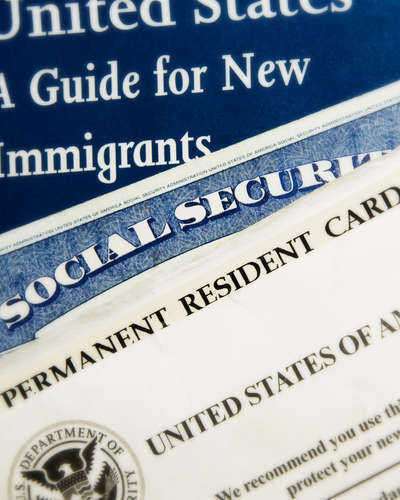
Problems with the Green Card Lottery
The Green Card Lottery has faced a number of issues over the years, ranging from technical difficulties to concerns about the fairness of the program. Below, we'll take a closer look at some of the most pressing issues.
📝 See Also
Technical Difficulties
One of the primary issues with the Green Card Lottery has been the technical difficulties that have plagued the program. In recent years, there have been a number of problems with the government's online application system, which is the only way to apply for the lottery. For example, in 2019, the State Department had to cancel the lottery results and issue new ones after a technical glitch caused the original results to be invalid. In addition, there have been reports of websites claiming to offer Green Card Lottery application services for a fee, which has led to confusion and frustration among applicants.
Lack of Transparency
Another major issue with the Green Card Lottery is the lack of transparency in the ion process. While the lottery is supposed to be random, there have been allegations of fraud and manipulation in the ion process. Some have claimed that the lottery is rigged in favor of certain countries, while others have pointed to instances of bribery and corruption. Additionally, the ion process is not open to public scrutiny, which has raised concerns about the fairness of the program.
Not Enough Visas
Another problem with the Green Card Lottery is that there are simply not enough visas available. While the program provides an opportunity for thousands of individuals each year, the demand for visas far outweighs the supply. This has led to extremely long wait times for those who do receive a visa, and has also created a backlog of applications that can take years to process.
Impact on the Labor Market
One of the main justifications for the Green Card Lottery is that it helps to fill labor shortages in certain industries in the United States. However, critics of the program argue that it actually harms the labor market, by allowing employers to hire foreign workers instead of American citizens. Additionally, they argue that the lottery system does not take into account the needs of specific industries, and that it is often difficult for employers to find qualified workers through the program.
Possible Solutions
Given the many problems with the Green Card Lottery, it is clear that the program is in need of significant reform. Here are some possible solutions:
Increase the Number of Visas: One potential solution to the problem of long wait times and high demand would be to increase the number of visas available through the program. This would allow more individuals to immigrate to the United States, and would help to clear the backlog of applications that currently exists.
Improve Transparency: To address concerns about the fairness of the program, the government could take steps to increase transparency in the ion process. For example, they could create an independent oversight board to monitor the lottery, or could provide additional information about the ion criteria used.
Restructure the Program: Rather than using a lottery system, some have proposed restructuring the program to focus on specific industries or areas of the country that are in need of workers. This would allow employers to find qualified workers more easily, and would ensure that the program is providing a real benefit to the U.S. economy.
Conclusion
The Green Card Lottery is a well-intentioned program that aims to promote diversity and increase the pool of talented workers in the United States. However, the program has been plagued by a number of serious problems, including technical difficulties, lack of transparency, and not enough visas. To address these issues, the government should consider increasing the number of visas available, improving transparency in the ion process, and restructuring the program to better serve the needs of the U.S. economy. By doing so, we can ensure that the Green Card Lottery remains an effective and fair way to promote diversity and economic growth.
The green card lottery is a rather strange manner of deciding who is fit to receive a United States Permanent Resident card.
The green card lottery application, in its latest incarnation, cannot be filed using pen and paper. It must be filed electronically. Whether or not the applicant can access the form online is their issue, but as far as the application process goes, everything can be done by the user on a computer.
As opposed to normal green card requirements for application, which can involve lengthy dialogue with the Department of State and Citizenship and Immigration Services, if followed correctly and completed accurately, the green card lottery application will not need the aid of a legal representative. As stated, though, there are problems with the application that exist beyond advantages taken against foreigners.
These are not so much protests of abuse than so much as perceived inequities of the system. The path to permanent residency through a green card can be an arduous one considering the scenarios in which aliens have had to apply for and reapply for temporary visas over a period of years without being much closer to a green card.
As for the green card lottery, results are known before the end of the next year, and while only certain classes of labor may apply, in comparison with normal green card requirements, the minimum experience needed is often far less. For the disenfranchised, residency is not a game, and yet 50,000 each year are awarded result as a result of one.