Why Does Prejudice Towards Illegal Immigrants Exist?
📅 2026 Update: Changes in Immigration Dynamics
Since the original article was published, the landscape of illegal immigration in the United States has seen significant changes. The unauthorized immigrant population has reached a record high, and the demographics of this group are shifting. These developments continue to influence perceptions and prejudices against illegal immigrants.
The original article will follow this update, providing foundational insights into the topic.
📈 Unauthorized Immigrant Population Growth
As of mid-2024, the unauthorized immigrant population in the U.S. reached 15.8 million, a notable increase from 10.8 million in 2019. This 47% growth over five years highlights the ongoing challenges surrounding immigration policy and enforcement. The rise in numbers can amplify existing prejudices, as some people may wrongly associate larger immigrant groups with job competition and crime, despite evidence showing otherwise.
🌍 Diversification of Origins
The makeup of unauthorized immigrants is changing. The share of Mexican immigrants has declined from 62% in 2010 to 35% in 2024. There has been a significant increase in immigrants from Central and South American countries, particularly Honduras and Guatemala.
This diversification can challenge stereotypes, as many of these new immigrants are seeking safety and better opportunities, not just economic gain.
🚧 Decrease in Border Encounters
In fiscal year 2025, migrant encounters at the U.S.-Mexico border dropped to 237,538, the lowest since 1970. This decline from over 1.5 million in fiscal year 2024 suggests improved border security measures. However, it also raises questions about the effectiveness of current immigration policies and whether they adequately address the needs of asylum seekers and those fleeing violence.
🏥 Access to Benefits and Public Perception
Concerns about illegal immigrants receiving benefits persist. Many believe they access healthcare and education without contributing through taxes. However, the reality is that most unauthorized immigrants lack access to these services due to their status.
Misconceptions can fuel resentment and prejudice, as people may not recognize the limited support available to undocumented individuals.
⚖️ Criminal Enforcement and Stereotypes
In July 2025, ICE focused on individuals with serious criminal convictions, leading to arrests of gang members and drug traffickers. This targeted enforcement approach can reinforce negative stereotypes about immigrants, despite studies showing they are generally less likely to commit crimes than native-born citizens. The ongoing discussion about crime and immigration continues to shape public opinion and fuel biases.
🌍 Changes in Sanctuary Jurisdictions
As of May 2025, the Department of Homeland Security identified sanctuary jurisdictions that do not fully cooperate with federal immigration enforcement. This designation can influence local law enforcement practices and community safety.
Sanctuary policies aim to create safe environments for undocumented immigrants. However, they also spark debates about the balance between public safety and immigration enforcement.
📌 Key Points Summary
- 🔹 Unauthorized immigrant population hit 15.8 million in 2024, marking a significant increase.
- 🔹 The Mexican share of this population has decreased, with more immigrants coming from Central and South America.
- 🔹 Border encounters fell to the lowest level since 1970, indicating stricter enforcement.
- 🔹 Many misconceptions exist about unauthorized immigrants receiving benefits, which often fuels prejudice.
- 🔹 Ongoing criminal enforcement efforts may reinforce negative stereotypes, despite evidence of lower crime rates among immigrants.
💡 Practical Tips for Understanding Immigration Issues
📜 Know the Current Population Statistics
Stay informed about the unauthorized immigrant population trends. As of mid-2024, this population reached 15.8 million, reflecting significant changes in immigration dynamics. Understanding these numbers can help you grasp the broader context of immigration debates.
🌍 Recognize the Diversification of Immigrant Origins
Be aware that the origins of unauthorized immigrants are evolving. The percentage of Mexican immigrants has decreased from 62% in 2010 to 35% in 2024. Familiarizing yourself with this diversification can help challenge stereotypes and broaden your perspective on immigrant contributions.
🚧 Understand Border Encounter Trends
Keep track of border encounter statistics, which fell to 237,538 in fiscal year 2025, the lowest since 1970. This change indicates improvements in border security but also raises questions about the treatment of asylum seekers and the effectiveness of current immigration policies.
🏥 Learn About Access to Benefits
Understand the realities surrounding unauthorized immigrants and public benefits. Many do not have access to healthcare and education due to their immigration status. Recognizing this can help dispel myths and reduce stigma against immigrants.
⚖️ Be Aware of Criminal Enforcement Policies
Stay updated on immigration enforcement actions, particularly those targeting serious criminal offenses. In July 2025, ICE focused on individuals with significant criminal records. This enforcement approach can shape public perceptions, so being informed can help you navigate discussions around crime and immigration.
🤝 Explore Free Resources for Support
Utilize resources offered by nonprofit organizations and government agencies. Groups like the American Immigration Council and the National Immigration Law Center provide valuable information and assistance for those navigating immigration processes.
🌍 Understanding Demographic Changes
The demographic makeup of unauthorized immigrants in the U.S. has shifted significantly in recent years. Between 2019 and 2024, the number of unauthorized immigrants from Central America increased by 2.3 million. This change highlights a diversification of origins, with fewer immigrants coming from Mexico.
This trend is important for understanding the broader context of immigration debates. It shows that many individuals seeking a better life in the U.S. come from various backgrounds and regions. Recognizing these shifts can help combat stereotypes and promote a more informed discussion about immigration.
🏆 Immigration Services Ranked by User Reviews (2026)
Several services help individuals with immigration processes, including application preparation and case tracking. These services can be beneficial for those dealing with immigration issues, such as applying for visas or adjusting status.
Keep in mind that star ratings can shift, and they may not capture the full picture of customer experiences. Typically, dissatisfied customers tend to leave more reviews, leading to variations in scores.
The services listed below are known for their specific strengths in guiding users through the complexities of immigration. Each has received a certain number of reviews that reflect user experiences and satisfaction levels.
🥇 1. CitizenPath Immigration Services
It has been known for providing affordable and easy USCIS form preparation. Users appreciate the step-by-step guidance offered, which can help individuals navigate the often complicated immigration process.
🥈 2. Lawfully
Users have found these features particularly helpful in managing their applications and understanding the potential timeline for their immigration status changes.
This focus on user experience aligns well with the needs of individuals facing the challenges of immigration.
Despite its strengths, Lawfully has some limitations, as it is only applicable to certain visa categories. Users should be aware of these constraints when considering their options for immigration services.
🥉 3. Boundless Immigration
Boundless Immigration also holds a score of 4.8. It is known for offering comprehensive immigration support through a user-friendly digital platform. This service can be beneficial for individuals looking to streamline their immigration applications and understand the process better.
However, some users have reported occasional document handling issues and delays in communication. These caveats are important to consider, especially for those needing timely responses and accurate documentation in their immigration journey.
🆓 Free Government or Nonprofit Help
Several nonprofit organizations and government resources offer support for individuals navigating immigration processes. Groups like the American Immigration Council and the National Immigration Law Center provide valuable information and assistance.
Utilizing these resources can be an excellent way to get help, especially for those with limited financial means.
🔎 Considerations for Choosing Immigration Services
- 📊 Trustpilot Score: Look for services with higher scores for user satisfaction.
- 📅 Review Count: Consider the number of reviews as a sign of reliability.
- 🛠️ Service Features: Evaluate what specific services are offered, such as case tracking or document preparation.
- 🔄 User Feedback: Pay attention to common praises and complaints from users.
❓ Frequently Asked Questions
🤔 What is the current size of the unauthorized immigrant population in the U.S.?
As of mid-2024, the U.S. unauthorized immigrant population reached 15.8 million, a significant increase from 10.8 million in 2019. This marks a 47% growth over five years. The population has become more diverse, with a decline in the percentage of unauthorized immigrants from Mexico.
🚧 How has illegal immigration enforcement changed recently?
Recent enforcement actions have seen a focus on individuals with serious criminal convictions. In July 2025, U.S. Immigration and Customs Enforcement (ICE) arrested gang members and drug traffickers.
This reflects ongoing efforts to prioritize criminal enforcement while managing immigration laws.
📉 Are there any recent trends in border encounters?
Yes, migrant encounters at the U.S.-Mexico border fell to 237,538 in fiscal year 2025. This is the lowest level since 1970 and marks a significant decline from over 1.5 million encounters in fiscal year 2024. This trend may indicate improved border security measures.
🌍 How has the demographic makeup of unauthorized immigrants shifted?
Between 2019 and 2024, the unauthorized immigrant population from Central America increased by 2.3 million, primarily from Honduras and Guatemala. This change indicates a diversification of origins among unauthorized immigrants in the U.S.
📅 What are the application fees for immigration processes?
As of October 2026, U.S. Citizenship and Immigration Services (USCIS) application fees vary by form and service. For detailed and up-to-date fee information, it is advisable to consult the official USCIS website.
🆓 Where can I find free resources for immigration assistance?
⚖️ Recent Cases on Immigration and Prejudice
These decisions reflect ongoing debates about immigration policies and the treatment of unauthorized immigrants, connecting to the broader themes of discrimination discussed in this article.
- Court Rules on Immigration Detention Case in West VirginiaDistrict Court, S.D. West Virginia · October 8, 2026
- Court Orders Release of Immigrants Detained Without Due ProcessDistrict Court, S.D. West Virginia · October 8, 2026
- Court Orders Release of Three Immigrants from DetentionDistrict Court, S.D. West Virginia · October 8, 2026
- Court Orders Release of Cuban Immigrant Detained by ICEDistrict Court, W.D. Pennsylvania · October 8, 2026
For readers interested in the legal landscape, you can find more rulings on the news page.
End of October 2026 Update
Prejudice has long preceded the debate about illegal immigration in the United States, though to be fair, prejudice is very much a natural by-product of human cognitive systems.
Human beings are hardwired - so to speak - to regard those who are different from us as unfavorable, and even if we may have no explicit prejudices against a minority group or those who belong to another ethnicity, there are uncontrollable, unconscious, implicit prejudices within us toward certain races that can affect our emotions and reflexive reactions. Only when explicit prejudices are consciously verbalized or otherwise acted upon that they become the most damaging.
Immigration, for millions of people since the country was founded, has been a wholly legal process and a source of great pride to those who achieved the ability to live and work permanently in America by rightful means. Illegal immigration, meanwhile, has led to much discrimination against ethnic groups, and unfortunately, often legal immigrants within those groups also unfairly receive harsh treatment by other Americans – as some of them insist, "true Americans" – for the offenses of those who did not follow the law. Clearly, this is an ugly aspect of immigration for America.
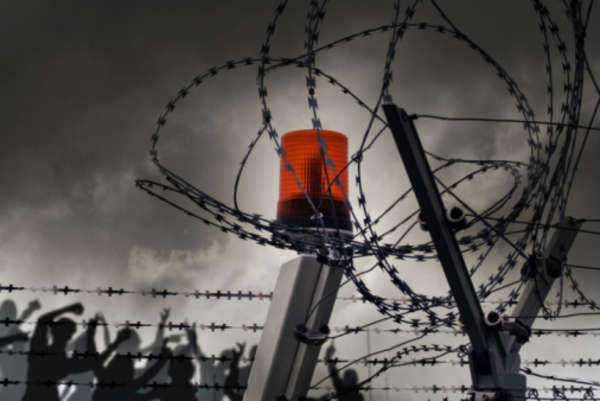
Immigration for America also may lead to instances of discrimination with regard to the mere skin color of those who come to the United States. Lamentably, in some people's frustration over the persistence of illegal immigration in this country, they will insist on using shady practices and racial slurs against ethnic groups like Mexicans. Though this cannot be implied of all employers of illegal aliens, some may relish in the opportunity to pay their workers less based on racial prejudice and not just economics.
In addition, unlawful immigration to the United States may potentially prompt the use of negative stereotypes by employers and everyday people alike. As a result, the stereotypes attributed to all Mexicans - however unfounded - may have been shaped unfairly by adversaries of illegal Mexican immigrants, even though they have a job and are hard workers.
Why Does Prejudice Towards Illegal Immigrants Exist?
In recent years, there has been a rise in the number of illegal immigrants in many countries around the world. This has led to a lot of controversy and debate, with many people expressing strong opinions on both sides of the argument. One thing that is clear from this debate is that there is a lot of prejudice towards illegal immigrants. But why does this prejudice exist? In this article, we will explore some of the reasons behind prejudice towards illegal immigrants.
What is an Illegal Immigrant?
Before we discuss the reasons behind prejudice towards illegal immigrants, it is important to first define what an illegal immigrant is. An illegal immigrant is a foreigner who enters a country without the necessary legal documents, such as a visa or work permit. Some illegal immigrants may also overstay their visas, or enter the country illegally by crossing the border without permission.
Reasons for Prejudice Towards Illegal Immigrants
There are many reasons why people may harbor prejudice towards illegal immigrants. Some of these reasons are based on misconceptions, while others are based on genuine concerns. Let us take a closer look at some of the most common reasons for prejudice towards illegal immigrants.
Job Stealing
One of the most common reasons for prejudice towards illegal immigrants is the belief that they are taking jobs away from local workers. Many people believe that illegal immigrants are willing to work for much lower wages than locals, which makes them more attractive to employers. This can lead to a situation where locals struggle to find work, while illegal immigrants are easily able to find jobs.
However, this belief is not supported by the evidence. Research shows that the impact of illegal immigrants on the job market is generally small and insignificant. Most studies have found that illegal immigrants actually have a positive impact on the economy, as they contribute to the workforce and pay taxes.
📝 See Also
Crime and Violence
Another common reason for prejudice towards illegal immigrants is the belief that they are more likely to commit crimes. This belief is fueled by stories in the media about illegal immigrants committing violent crimes such as murder and rape. However, the evidence does not support this belief. Studies have shown that immigrants, including illegal immigrants, are actually less likely to commit crimes than native-born citizens.
Inequality
Another reason for prejudice towards illegal immigrants is the sense of inequality that some people feel. Many people feel that illegal immigrants are receiving benefits that they do not deserve, such as access to healthcare and education. This can lead to a sense of resentment towards illegal immigrants, and a belief that they should not be allowed in the country.
However, the reality is that most illegal immigrants do not have access to these benefits. Many are unable to access healthcare because they do not have insurance, and their children may be unable to attend school because they do not have the necessary documentation.
Fear of Losing Culture
Another reason for prejudice towards illegal immigrants is the fear of losing cultural identity. Many people believe that illegal immigrants bring with them foreign customs and traditions that are incompatible with the native culture. They fear that if too many immigrants are allowed into the country, the native culture may disappear.
However, this fear is largely unfounded. Most illegal immigrants are simply looking for a better life for themselves and their families. They may bring with them their own customs and traditions, but this does not necessarily mean that they will supplant the native culture.
False Beliefs
Finally, prejudice towards illegal immigrants is often fueled by false beliefs. For example, some people believe that illegal immigrants are responsible for the spread of diseases, or that they receive more government benefits than they pay in taxes. These beliefs are unfounded, and often serve to reinforce existing prejudices rather than providing a factual basis for them.
Conclusion
In conclusion, there are many reasons why people may harbor prejudice towards illegal immigrants. Some of these reasons are based on genuine concerns, such as the fear of losing jobs or cultural identity. However, many of these beliefs are unfounded, and are not supported by the evidence. It is important that we separate fact from fiction when discussing the issue of illegal immigration, and that we work towards understanding and acceptance of those whose only crime is seeking a better life for themselves and their families.