Political Instability Caused by Illegal Aliens
📅 2026 Update: Immigration Trends and Political Implications
Since the original article was published, the landscape of unauthorized immigration in the United States has changed significantly. The unauthorized immigrant population reached a record 15.8 million by mid-2024, a stark increase from 10.8 million in 2019. This growth has led to ongoing discussions about the political and social implications of immigration policies.
🌍 Diversification of Origins
The makeup of the unauthorized immigrant population has shifted. As of 2024, only 35% of unauthorized immigrants came from Mexico, down from 62% in 2010. This reflects a notable increase in immigrants from Central and South American countries.
These changes can influence political discourse as communities with diverse backgrounds may have different needs and perspectives.
📉 Decrease in Border Encounters
In a significant development, migrant encounters at the U.S.-Mexico border fell to 237,538 in fiscal year 2025. This number is the lowest since 1970 and marks a drop from over 1.5 million in fiscal year 2024. This decrease suggests that recent border security measures may be having an impact, which could affect political discussions about immigration and national security.
💵 Immigration Application Fees
As of October 2026, immigration application fees vary depending on the specific form and service requested.
🛡️ Sanctuary Jurisdictions and Enforcement
Sanctuary jurisdictions are areas that do not fully cooperate with federal immigration enforcement. As of May 2025, the Department of Homeland Security identified such jurisdictions, which can affect local law enforcement and community safety. This designation often sparks political debates about the balance between community protection and federal immigration laws.
🚔 Criminal Enforcement Efforts
In July 2025, U.S. Immigration and Customs Enforcement (ICE) arrested individuals with serious criminal convictions, including gang members and drug traffickers. This focus on criminal enforcement highlights the ongoing efforts to address illegal immigration while raising questions about the impact on communities.
The political ramifications of such actions can lead to increased tension between various groups and government bodies.
🌍 Demographic Shifts in Immigration
The unauthorized immigrant population in the U.S. has diversified significantly in recent years. The share of unauthorized immigrants from Mexico has dropped from 62% in 2010 to 35% in 2024. This change reflects an increase in migrants from Central and South America, particularly from countries like Honduras and Guatemala.
Between 2019 and 2024, the unauthorized immigrant population from Central America grew by 2.3 million. These demographic shifts can influence local communities and political discussions, as new immigrant groups bring different cultural backgrounds and needs. Understanding these changes is essential for addressing the social and political implications of immigration in the U.S.
📌 Key Points to Remember
- 🔹 Unauthorized immigrant population rose to 15.8 million in mid-2024.
- 🔹 Diverse origins now include significant numbers from Central and South America.
- 🔹 Migrant encounters at the U.S.-Mexico border hit the lowest level since 1970.
- 🔹 Sanctuary jurisdictions identified, influencing local law enforcement and safety.
- 🔹 Ongoing criminal enforcement highlights efforts against serious crime linked to illegal immigration.
💡 Tips for Understanding Immigration and Political Implications
📄 Understand Application Processes
Familiarize yourself with the application forms needed for immigration status. Forms like Form I-485 for adjustment of status or Form I-130 for family-sponsored immigration are essential. Knowing what documents to gather and the steps to follow can streamline your experience.
⏰ Keep Track of Processing Times
Be aware that processing times for applications can vary greatly. Factors include the applicant's category and the specific service center's workload. Regularly check the USCIS Processing Times page for the latest updates to manage expectations effectively.
🔍 Know Your Eligibility
Ensure you meet the eligibility criteria for immigration benefits. This includes having a lawful entry into the U.S., an approved immigrant petition, and an available visa number. Understanding these requirements can help you avoid delays in your application.
📚 Utilize Free Resources
🔒 Stay Informed About Local Policies
Stay updated on local immigration policies, especially regarding sanctuary jurisdictions. Being aware of how local law enforcement cooperates with federal immigration enforcement can inform your understanding of community safety and your rights.
🚨 Be Aware of Criminal Enforcement
Recognize that U.S. Immigration and Customs Enforcement (ICE) continues to focus on individuals with serious criminal convictions. This enforcement can have a direct impact on community dynamics and local political discussions around immigration.
Understanding these implications can help you navigate your environment more safely.
🌍 Changing Migration Patterns
The unauthorized immigrant population in the U.S. is becoming more diverse. As of 2024, the share of unauthorized immigrants from Mexico has decreased to 35%, down from 62% in 2010. This shift indicates a growing number of immigrants coming from Central and South America, which includes significant increases from countries like Honduras and Guatemala.
This change in origins can affect the political landscape in various ways. Communities may experience different cultural dynamics and needs, influencing local policies and public resources. For example, schools and healthcare systems may need to adapt to serve a more varied population effectively.
In addition, these demographic shifts can lead to changes in community relations and political representation. As new immigrant groups integrate, they can bring different perspectives and priorities to local discussions, impacting voter engagement and participation. This evolving landscape highlights the importance of understanding how immigration patterns shape political stability and community cohesion in the U.S.
🏆 Immigration Services Ranked by User Reviews (2026)
🥇 1. CitizenPath Immigration Services
This service is known for its affordable and easy USCIS form preparation.
The service aims to simplify the application experience, relevant in discussions about legal pathways for immigrants.
However, some users have noted limited customer support availability and occasional technical glitches. These issues could affect the overall experience for individuals who may need immediate assistance or encounter problems during their application process.
🥈 2. Lawfully
Users report that it helps them stay informed about their immigration status, which can be vital in a landscape where policy changes impact many immigrants.
Despite its strengths, reviewers caution that Lawfully is limited to certain visa categories and may occasionally have data inaccuracies. Prospective users should consider these factors, especially as they navigate the complexities of immigration that can influence political discussions.
🥉 3. Boundless Immigration
It is known for providing comprehensive immigration support and has a user-friendly digital platform. Many users find it beneficial for managing their immigration applications and understanding the required steps.
This support can be particularly relevant for those impacted by the political climate surrounding immigration issues.
However, some users have reported occasional document handling issues and delays in communication. These concerns could affect the efficiency of the application process for individuals who are looking to resolve their immigration status promptly.
🆓 Free Government and Nonprofit Help
Several nonprofit organizations offer free resources and assistance for individuals navigating the immigration process. Notable organizations include the American Immigration Council and the National Immigration Law Center, which provide information and support for various immigration-related issues. Additionally, the USCIS website features free resources, including guides and FAQs, to help applicants understand the necessary steps for their immigration applications.
Utilizing these resources can be helpful, especially for those seeking legal pathways amid complex discussions on immigration.
🔎 Considerations for Choosing Immigration Services
- ⏳ Processing Times: Evaluate how quickly services process applications and respond to inquiries.
- ⚖️ Support Availability: Check for customer support options if you need immediate help.
- 📊 Accuracy of Information: Assess how reliable the data is, especially regarding immigration laws and regulations.
❓ Frequently Asked Questions
🏙️ What is the current size of the unauthorized immigrant population in the U.S.?
As of mid-2024, the unauthorized immigrant population in the U.S. reached a record 15.8 million, marking a 47% increase from 10.8 million in 2019. This growth highlights ongoing discussions about immigration policies and their effects on various communities.
📉 How have border encounters changed recently?
In fiscal year 2025, migrant encounters at the U.S.-Mexico border fell to 237,538, the lowest level since 1970. This significant decrease from over 1.5 million encounters in fiscal year 2024 suggests improvements in border security measures.
🌍 Where do most unauthorized immigrants come from currently?
The share of unauthorized immigrants from Mexico has declined to 35% in 2024, down from 62% in 2010. There has been a notable increase in immigrants from Central and South America, reflecting changing migration patterns.
🔒 What are sanctuary jurisdictions, and how do they affect immigrants?
Sanctuary jurisdictions, identified by the Department of Homeland Security, do not fully cooperate with federal immigration enforcement. This can impact local law enforcement and community safety, creating a complex environment for immigrants living in these areas.
⚖️ What is the role of ICE in immigration enforcement?
U.S. Immigration and Customs Enforcement (ICE) focuses on individuals with serious criminal convictions, including gang members and drug traffickers. This enforcement aims to uphold immigration laws and can influence local political discussions on immigration.
🕰️ How can I find out about processing times for immigration applications?
Processing times for immigration applications vary widely depending on the applicant's category and the service center's workload. For the most accurate updates, individuals should regularly check the USCIS Processing Times page.
⚖️ Recent Cases Related to Immigration and Political Stability
These decisions can impact how communities manage resources and respond to changes in immigration enforcement.
- Immigration Board Reverses Asylum Decision for Burkina Faso FamilyBoard of Immigration Appeals · June 29, 2026
- BIA rules on immigration bond venue in Vizcaino Aybar caseBoard of Immigration Appeals · July 1, 2026
- Board of Immigration Appeals rules on asylum case ID 4215Board of Immigration Appeals · July 7, 2026
- Board of Immigration Appeals rules on asylum case for familyBoard of Immigration Appeals · July 10, 2026
Readers can stay informed about these developments by checking more rulings on the news page.
End of October 2026 Update
Political Instability Caused by Illegal Aliens: A Detailed Analysis
Introduction:
Illegal immigration has been a major issue in the United States for decades, resulting in ongoing debates over border control, immigration policies, and the rights of undocumented immigrants. In addition to the social and economic concerns, there are also political implications associated with illegal immigration, including political instability. This article aims to explore how illegal aliens can destabilize the political landscape of the United States.
Impact on Voting:
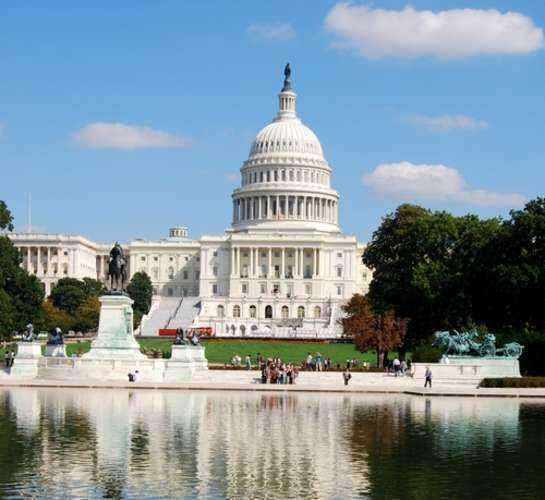
Illegal immigration can have far-reaching political consequences, particularly in terms of voter representation. Undocumented immigrants are not authorized to vote in elections, but they often reside in communities with a significant political presence. As a result, these communities can be skewered by illegal voting, which can impact election outcomes.
Impact on Public Resources:
Illegal aliens also strain public resources, such as education and healthcare. For instance, schools that have significant immigrant enrollment see a significant increase in their budget in order to accommodate the children of immigrant families. This can create resentment among the local taxpayers who feel that their public resources are being disproportionately used due to illegal immigration.
Impact on National Security:
The issue of illegal immigration also poses significant national security concerns. Uncontrolled borders can enable terrorists and other criminals to enter the country, where they can engage in illegal activities that threaten public safety. This has the potential to cause political instability within the country as citizens question the government's ability to deal with security threats.
Impact on Cultural Identity:
Illegal immigration also has the potential to disrupt the cultural identity of the country and lead to political instability. This is particularly true when immigrants do not assimilate into American culture and instead cling to their own cultural norms. This can create a sense of conflict between the native-born population and immigrants, leading to further polarization and political discord.
Conclusion:
Illegal aliens can cause political instability in many different ways, including their impact on voter representation, public resources, national security, and cultural identity. To prevent political instability and promote social cohesion, the government will have to address the issue of illegal immigration in a comprehensive and responsible manner. This will involve tackling the root causes of unauthorized immigration while providing legal channels for those seeking to enter the country. Failure to do so can have far-reaching political and social consequences for the United States.
The inflation illegal immigration on the part of illegal aliens is an increasing concern for many overpopulated countries, and many times, the government of the nation in question cannot grant illegal aliens the same rights and privileges allowed to its legal citizens.
In the case of more developed nations like America, hiring illegal aliens is seen as a great advantage for low-income businesses, especially in the wake of economic strife. An illegal alien may find themselves as an invaluable asset to their employers by providing labor at a decreased rate. However, they are also understanding that they are more or less seen as dispensable because of the large pool of unemployed illegal aliens. This often raises issues and concerns about the mistreatment of workers and about the poor working conditions often found in heavy labor jobs.
What triggers the decision to emigrate at all? There exists a large number of causes, including overpopulation poverty family reunification.
Under a corrupt ruler, there is always a risk and potential for violation of human rights, inappropriate tax collecting, acts of violence, and inhumane shortages or policies.
Political instability has been the root of many wars and has been the cause of illegal alien immigration in the event of the Holocaust.
Living in a society under a tyrannical rule threatens one's safety and individualism if one is regarded as a number, and not as a human being.
Illegal aliens will find the need to escape a perceived tyrannical ruling body, which rules with selfish and manipulative ambitions. In a democratic, well-developed nation where citizens identify the need to be independent and whole - apart from their government - illegal aliens can live peacefully without being noticed.
Under a democratic rule, there exists freedom of speech, as well as a right to vote, access global information, and enjoy religious freedom.
However, many ruling bodies prioritize economic success, political power, and the collective interest of the aristocracy above the rights and well-being its citizens.
Too many instances in history show that a corrupt political presence in the form of a dictator or communist leader have been directly correlated to the high rise of their citizens seeking residence elsewhere. Though illegal aliens usually does not assume any rights or privileges in their new hosting country, many prefer the role of an uncounted member of society - in order to enjoy the freedom and peace that nation offers - to their previous living conditions under a perceived corrupt, and unstable government that threatened their lives and those of their families.