What are Refugee Camps?
📅 2026 Update: Changes in Refugee Admissions and Support
The target for refugee admissions saw a dramatic drop from 125,000 in Fiscal Year 2024 to just 7,500 for Fiscal Year 2026. This change highlights ongoing challenges in addressing global displacement.
The earlier article continues further down the page, providing a baseline understanding of what refugee camps are and their importance in supporting those in need.
🌍 Fiscal Year 2026 Admissions Goal
The U.S. set a low target of 7,500 refugee admissions for Fiscal Year 2026. This represents the lowest goal in the history of the U.S. Refugee Admissions Program (USRAP).
This target comes amid record global displacement due to ongoing conflicts and crises worldwide.
🚫 Suspension of Refugee Admissions Program
On January 20, 2025, the U.S. government suspended the Refugee Admissions Program for at least 90 days. This suspension impacted the resettlement processing for refugees and the Welcome Corps private sponsorship program. Such actions reflect ongoing policy shifts that affect how refugees can seek safety and stability in the U.S.
🆓 Free Services from UNHCR and RSCs
These organizations assist with resettlement processes, including preparing cases for security screening and interviews. This support is crucial for refugees navigating the complex U.S. immigration system.
✈️ Processing Costs for Resettlement
This requirement can place a financial burden on newly resettled families as they work to establish themselves in a new country.
📋 Resettlement Eligibility Criteria
UNHCR identifies refugees for resettlement based on specific needs. These criteria include legal protection needs, survivors of violence, and family reunification. The focus is on those who require the most urgent support, emphasizing the need for targeted assistance in refugee camps.
📌 Key Points Summary
- 🔹 7,500 refugee admissions set for Fiscal Year 2026, the lowest in US history.
- 🔹 Suspension of the Refugee Admissions Program for at least 90 days in early 2025.
- 🔹 Free services offered by UNHCR and RSCs aid refugees in the resettlement process.
- 🔹 Approved individuals must repay airplane ticket costs post-arrival in the U.S.
- 🔹 Refugees are identified based on specific eligibility criteria that prioritize urgent needs.
💡 Tips for Navigating Refugee Camps and Resettlement
🌐 Understand the Resettlement Process
Navigating the U.S. resettlement process can be complex. It involves multiple interviews with agencies like the UNHCR and Resettlement Support Centers (RSCs). Familiarize yourself with the necessary steps to prepare your case effectively.
📑 Know the Eligibility Criteria
UNHCR identifies refugees for resettlement based on specific needs. This includes legal protection, medical needs, and family reunification. Understanding these criteria can help you present your case more effectively.
🆓 Utilize Free Support Services
They assist with the resettlement process, helping to collect necessary information and prepare for interviews. Accessing these resources can ease your journey.
✈️ Plan for Processing Fees
While resettlement processing is free, approved individuals must repay airplane ticket costs over time. Budget for these expenses to avoid financial strain after arrival in the U.S. Understanding this obligation will prepare you better for your new life.
📅 Stay Informed on Policy Changes
Keep up with changes in U.S. refugee policies, such as the recent suspension of the Refugee Admissions Program. Staying informed about these developments can help you plan your next steps effectively.
🏫 Seek Community Support
Finding community within refugee camps can provide essential emotional and practical support. Engage with community centers and schools where resources are often available to assist with integration and rebuilding your life.
🗺️ Know Your Resettlement Pathways
Understanding the resettlement process is essential for refugees. These interviews prepare cases for security screenings and adjudication by U.S.
Citizenship and Immigration Services (USCIS).
Familiarizing yourself with the eligibility criteria can also help. UNHCR identifies refugees based on specific needs, such as medical issues or family reunification. Knowing these factors can guide refugees in presenting their cases more effectively during the resettlement process.
🏆 Services Ranked by User Reviews (2026)
This section highlights services related to immigration and refugee support, specifically focusing on their user ratings and overall reputation. These services assist individuals navigating the complexities of refugee resettlement, documentation, and immigration processes. The rankings are based on Trustpilot data reviewed in October 2026, and scores can fluctuate over time.
Star ratings are an important signal, but it is worth noting that unhappy customers often leave more reviews, which can impact the overall perception of a service.
🥇 1. Entry
Entry has been rated 4.8 stars. It is recognized for its AI-powered document processing and immigration services. These features can help refugees and immigrants streamline their applications, making the often-complex process more manageable.
Reviewers note that the platform's technology simplifies documentation needs, which can be critical for those fleeing crises.
The efficiency of the service may vary depending on specific cases and circumstances, making it essential for potential users to consider these factors.
🥈 2. CitizenPath
CitizenPath holds a score of 4.8 stars. It aims to help users complete their immigration applications accurately, which is vital for refugees and asylees navigating complex paperwork.
Reviewers appreciate the user-friendly interface, making it easier to follow the required steps.
Despite its strengths, CitizenPath has limited support for more complex immigration cases. This can be a drawback for those who may require additional assistance or who have unique situations. Understanding the scope of the support offered is essential for users with varying needs.
🥉 3. SimpleCitizen
SimpleCitizen has earned a score of 4.9 stars. It is known for providing digital immigration and visa solutions, ensuring that applications are attorney-reviewed. This feature can offer peace of mind to refugees and immigrants, as having professional oversight can help to prevent mistakes that could delay processing times.
Some users find the platform's interface to be complex, which can lead to confusion during the application process. This aspect may affect those who are not as tech-savvy or who prefer straightforward navigation. It's important for potential users to evaluate their comfort level with technology before choosing this service.
⚡ Processing Speed Comparisons
When considering immigration services, processing speed is a crucial factor for refugees and asylees. Entry, CitizenPath, and SimpleCitizen each have their strengths, but user experiences reveal differences in processing times. While specific processing times for services were not detailed, reviews suggest that Entry is known for its AI-powered document processing which can expedite applications.
However, some users have reported delays, indicating that processing speed may vary depending on individual cases.
CitizenPath offers a streamlined process for completing immigration applications, which is vital for refugees facing time-sensitive situations. Reviewers appreciate its user-friendly design, which helps users navigate through the necessary steps efficiently. Nonetheless, it is important to note that support for more complex cases may be limited, potentially affecting the speed at which those applications are processed.
SimpleCitizen's attorney-reviewed applications come with added assurance, but some users have found the platform's interface complicated. This complexity could slow down the application process for less tech-savvy individuals. Understanding processing speed and user feedback on delays can help refugees select a service that best meets their urgent needs during resettlement.
🆓 Free Services from UNHCR and RSCs
Their services include support for navigating the resettlement process. This can involve help in collecting necessary information and preparing for security screenings and interviews.
Accessing these resources is crucial for refugees looking to establish themselves in a new country.
These services can significantly ease the burden of transitioning from a refugee camp to a stable life in the U.S., providing guidance and support when it is needed most.
🔎 Factors to Consider When Choosing Immigration Services
- 📊 User ratings and reviews
- 💼 Types of services offered
- ⏳ Processing times and delays
- 📞 Customer support availability
- 📝 Complexity of the application process
This information can help individuals and families make informed decisions as they navigate the challenges of refugee resettlement and immigration.
❓ Frequently Asked Questions
🤔 What is the current U.S. refugee admissions goal for 2026?
The U.S. set the refugee admissions target at 7,500 for Fiscal Year 2026.
🚫 Why was the Refugee Admissions Program suspended in early 2025?
On January 20, 2025, the U.S. government suspended the Refugee Admissions Program for at least 90 days. This suspension impacted both the processing of refugee resettlements and the Welcome Corps private sponsorship program.
✈️ Are there costs associated with refugee resettlement in the U.S.?
Processing for U.S. resettlement is generally free.
👨👩👧👦 How can refugees bring family members to the U.S.?
Refugees in the U.S. This form helps to facilitate family reunification, an important aspect of the resettlement process.
📋 What is the role of UNHCR in the resettlement process?
The United Nations High Commissioner for Refugees (UNHCR) plays a key role in identifying refugees for resettlement. They assess individuals based on protection needs, medical needs, and risks faced, and work with U.S. agencies to prepare cases for resettlement.
📅 How long does the resettlement process take?
However, actual processing times can vary based on specific cases and circumstances.
⚖️ Recent Cases Related to Refugee Resettlement
Recent court rulings have impacted refugee resettlement processes in the U.S., affecting how applicants navigate their cases and the overall operations of refugee camps. These decisions highlight the ongoing challenges faced by refugees as they seek safety and stability.
- Immigration Board Reverses Asylum Decision for Burkina Faso FamilyBoard of Immigration Appeals · June 29, 2026
- BIA rules on immigration bond venue in Vizcaino Aybar caseBoard of Immigration Appeals · July 1, 2026
- Board of Immigration Appeals rules on asylum case ID 4215Board of Immigration Appeals · July 7, 2026
- Board of Immigration Appeals rules on asylum case for familyBoard of Immigration Appeals · July 10, 2026
Read more about these developments and how they affect refugees by checking more rulings on the news page.
End of October 2026 Update
What are Refugee Camps and Why Are They Needed?
In the midst of global instability and ongoing conflicts, millions of people around the world are forced to flee their homes to seek refuge elsewhere. These individuals, known as refugees, are often forced to live in cramped, makeshift communities known as refugee camps. These camps, while temporary, can sometimes last for years and are a crucial part of the global response to displacement caused by war, persecution, and other crises. This article will explore what refugee camps are, how they work, and why they are essential.
What are Refugee Camps?
Refugee camps are communities set up to accommodate refugees and other internally displaced persons (IDPs) who are forced to flee their homes due to war, persecution, or other crises. These camps are often designed to be temporary, providing basic necessities such as food, shelter, and medical care to those who have been forced to flee.
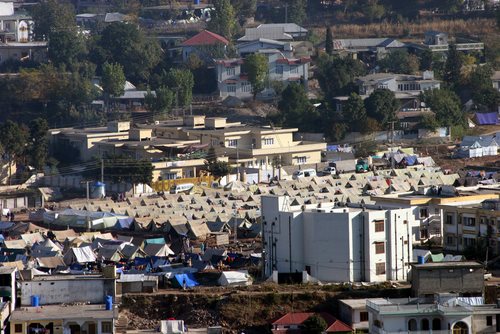
Refugee camps can vary significantly in terms of size, location, and facilities. Some camps are large, sprawling complexes designed to accommodate tens of thousands of people. Others are small, makeshift structures that can house only a few families at a time. Regardless of their size and facilities, all refugee camps share a few common features.
First and foremost, refugee camps are designed to be safe and secure places for those who have fled their homes. They are often set up in remote or hard-to-reach locations to help protect refugees from further danger or harm. These camps are frequently fenced off or otherwise secured to prevent unauthorized entry and to ensure the safety of those inside.
Second, refugee camps are designed to provide basic necessities such as food, water, shelter, and medical care. These necessities are often provided by humanitarian organizations such as the United Nations High Commissioner for Refugees (UNHCR), which is the primary organization responsible for providing aid and assistance to refugees around the world.
Lastly, refugee camps are designed to provide a sense of community and support for those who have been forced to flee their homes. These camps often feature schools, community centers, and other communal spaces where refugees can come together and support one another.
How Do Refugee Camps Work?
The primary goal of refugee camps is to provide basic necessities and support to those who have been forced to flee their homes. To achieve this goal, refugee camps must function as self-contained communities, with a wide range of facilities and services to support the needs of those who live there.
Food, Water, and Shelter
Food, water, and shelter are the most basic needs of those living in refugee camps. In many cases, these facilities are set up by humanitarian organizations and are staffed by trained professionals. These organizations also work to ensure that basic sanitation and hygiene are maintained in all camp facilities.
In addition to providing basic necessities, refugee camps are often designed to provide a measure of safety and security for those who have fled their homes. This can involve the use of security personnel, perimeter fencing, and other measures to keep refugees safe from harm.
Education and Healthcare
Education and healthcare are essential services that must be provided to those living in refugee camps. In many cases, these services are provided by partner organizations who work to ensure that refugees receive quality education and healthcare services.
Healthcare services are typically provided by trained medical professionals who can diagnose and treat a wide range of illnesses and injuries. Education services are often provided by trained teachers who work to ensure that refugees receive a quality education and can build a better future for themselves and their families.
📝 See Also
Community Support
Perhaps the most important aspect of refugee camps is the sense of community and support that they provide to those who have been forced to flee their homes. Many camps have community centers, schools, and other communal spaces where refugees can come together and build relationships with one another.
These spaces are often designed to be culturally appropriate and to support the needs of specific communities. For example, some camps may have specific areas designed for women and children, or for people of different religious backgrounds.
Why Are Refugee Camps Needed?
Refugee camps are needed because they provide a vital lifeline for those who have been forced to flee their homes. These individuals and families need somewhere safe to go, and they need basic necessities such as food, water, and shelter. Refugee camps provide that, along with education, healthcare, and community support.
However, it is important to note that refugee camps are not a permanent solution to the global refugee crisis. In many cases, refugees in camps live in cramped conditions with little privacy or autonomy. They may face overcrowding, limited access to education and job training, and other challenges that can limit their ability to rebuild their lives.
The ultimate goal of refugee camps is to help refugees return to their homes or find new, permanent homes elsewhere. This requires a long-term approach to address the underlying causes of displacement, such as war, persecution, and poverty.
Conclusion
Refugee camps are a crucial part of the global response to displacement caused by war, persecution, and other crises. They provide safe and secure places for those who have been forced to flee their homes, along with basic necessities such as food, water, and shelter.
However, these camps are not a permanent solution to the global refugee crisis. They must be part of a larger effort to address the underlying causes of displacement and help refugees return to their homes or find new, permanent homes elsewhere. With the ongoing crisis in the Middle East, conflicts in Africa, and other crises around the world, the need for refugee camps and other assistance remains as urgent as ever.
A refugee camp is a camp set up specifically for the housing of refugees from another country. Refugee camps are most often set up when there are large numbers of refugees fleeing a particular country and entering into another particular country.
The country to which the refugees are fleeing might not have immediate accommodations available for such a large influx of refugees, and as a result, refugee camps often spring up out of necessity. Refugee camps are often built by the United Nations or other organizations which are attempting to help refugees by providing them with some form of shelter while they either are formally processed by the nation granting asylum, or while they await the ability to return to their home nations.
Even when refugee camps are set up by such organizations, however, they are generally not safely inhabitable for an extended period of time. Refugee camps cannot generally be set up with much preparation, and thus they are only designed to provide the most basic and elementary of benefits of shelter, meaning that they are often unhygienic and even potentially dangerous if inhabited for any extended period of time.
It is instances such as these, when the refugee camps are very unsafe for their denizens, that refugee camps can become a significant issue to be dealt with for the sake of those refugees forced to live in the camps. There are some instances in the world of refugee camps which have existed for many years, or even decades, further emphasizing the potential problems of refugee camps.