Mistreatment of Illegal Immigrant Workers
📅 2026 Update: Changes in the Landscape of Illegal Immigrant Workers
Since the original article was published, the situation for illegal immigrant workers in the U.S. has evolved significantly. The unauthorized immigrant population has grown, and demographic shifts have changed the makeup of this group. This update highlights key changes that impact their treatment and rights.
📈 Unauthorized Immigrant Population Growth
As of mid-2024, the U.S. unauthorized immigrant population reached 15.8 million, a 47% increase from 10.8 million in 2019. This surge highlights the ongoing challenges illegal immigrant workers face. Many remain trapped in low-paying jobs with little protection from exploitation.
The growth in numbers can lead to increased competition for jobs, further complicating the landscape for these vulnerable workers.
🌎 Diversification of Origins
The origins of unauthorized immigrants have diversified over recent years. In 2010, 62% of illegal immigrants were from Mexico, but by 2024, that number dropped to 35%. Many are now coming from Central and South America, driven by various factors including violence and economic hardship.
This shift can affect the dynamics of exploitation, as different groups may face unique challenges and discrimination in the workplace.
🛂 Changes in Border Encounters
In fiscal year 2025, migrant encounters at the U.S.-Mexico border fell to 237,538, marking the lowest level since 1970. This decline may influence the number of illegal immigrants entering the workforce. Stricter border enforcement could mean fewer new arrivals, but it also raises concerns about the treatment of those who are already here, as fear of deportation continues to drive many to accept poor working conditions.
⚖️ Changes in Immigration Policies
The Biden administration made significant policy changes impacting illegal immigrants. In August 2024, the administration stopped admitting migrants under the CHNV parole program, leading to fewer new unauthorized entries. This could affect existing workers who fear deportation or exploitation as policies shift.
Additionally, the identification of sanctuary jurisdictions reflects a mixed approach to immigration enforcement, which may influence how illegal immigrant workers report abuses.
📊 Legal and Nonprofit Assistance
Several organizations continue to provide support for illegal immigrant workers. Nonprofits like the American Immigration Council and the National Immigration Law Center offer resources for navigating the immigration process. At the same time, USCIS provides free guides and FAQs to help individuals understand their rights and options.
These resources are crucial for workers seeking assistance in a challenging environment.
🌍 Demographic Shifts in Unauthorized Immigration
The demographic makeup of unauthorized immigrants in the U.S. has changed significantly from 2010 to 2024. The share of Mexican immigrants has decreased from 62% to 35%. In contrast, there has been a notable increase in immigrants from Central and South America, with an additional 2.3 million unauthorized immigrants from these regions.
These shifts reflect broader migration trends and highlight the diverse backgrounds of today's illegal immigrant workforce. Understanding these changes is crucial for addressing the specific needs and challenges faced by these workers in the U.S.
📌 Key Points Summary
- 🔹 The unauthorized immigrant population in the U.S. reached 15.8 million in mid-2024.
- 🔹 The share of Mexican unauthorized immigrants decreased from 62% to 35% from 2010 to 2024.
- 🔹 Border encounters dropped to 237,538 in fiscal year 2025, the lowest since 1970.
- 🔹 Changes in immigration policies may affect the rights and protections for illegal immigrant workers.
- 🔹 Nonprofits and USCIS continue to provide important resources for navigating immigration challenges.
💡 Tips for Illegal Immigrant Workers
🛠️ Know Your Rights
Illegal immigrant workers have certain rights, even without legal status. Understanding these rights can help protect you from exploitation. You may have the right to safe working conditions and should not tolerate abuse or unsafe practices.
📑 Seek Legal Assistance
Accessing these resources can empower you to take action.
💰 Document Your Employment
Keep records of your work hours, wages, and any communications with your employer. This documentation can be critical if you experience wage theft or unsafe working conditions. It serves as evidence if you need to report your employer for mistreatment.
📞 Report Abuses
If you face exploitation or unsafe conditions, consider reporting your employer. Many local organizations offer confidential support to help you navigate the reporting process. Remember, documenting your experiences can be helpful during this process.
🌍 Understand the Changes in Immigration Policies
Stay informed about changes in immigration policies, as they may affect your rights and protections. The recent stop of admissions under the CHNV parole program may impact new unauthorized entries.
📈 Utilize Available Resources
These tools can help you understand the immigration process and your rights. Being informed is essential for navigating the challenges you may face as an illegal immigrant worker.
🌍 Understanding Demographic Changes
The demographic makeup of unauthorized immigrants in the U.S. has shifted significantly in recent years. In 2010, 62% of unauthorized immigrants were from Mexico, but by 2024, this figure dropped to 35%. This change reflects a growing number of immigrants from Central and South America, particularly from countries like Honduras and Guatemala.
These shifts in origin can influence the types of challenges illegal immigrant workers face. Newer immigrant groups may encounter different workplace conditions and cultural barriers. Understanding these dynamics is crucial for illegal immigrant workers as they navigate their rights and seek support within diverse communities.
🏆 Top Immigration Services Ranked by User Reviews (2026)
This section highlights services that assist individuals navigating immigration processes, particularly illegal immigrant workers. These services can provide guidance on immigration forms, legal rights, and support against exploitation. The information is based on Trustpilot ratings as of October 2026, reflecting user experiences and satisfaction levels.
🥇 1. Lawfully
This service can be particularly useful for illegal immigrant workers who need support in understanding their immigration status and navigating the complexities of the system.
However, some users have noted that Lawfully is limited to specific visa categories and may have occasional inaccuracies in data. This could impact its usefulness for workers seeking comprehensive support in a rapidly changing immigration landscape.
🥈 2. Boundless Immigration
This service offers comprehensive immigration support, focusing on a user-friendly digital platform that guides users through the immigration process. Its features may assist illegal immigrant workers in preparing necessary forms and understanding their rights.
Despite its strengths, reviewers have pointed out occasional document handling issues and communication delays. These factors could pose challenges for workers seeking timely assistance amid their concerns about mistreatment and legal status.
🥉 3. CitizenPath Immigration Services
CitizenPath Immigration Services averages a rating of 4.5 stars. It is known for affordable and easy USCIS form preparation, providing step-by-step guidance that can benefit illegal immigrant workers looking to adjust their status. This service can simplify the often complex immigration process, making it more accessible for those facing challenges.
However, some users have reported limited customer support availability and occasional technical glitches. These issues could hinder the experience for workers who may require immediate assistance or clarity in their immigration journey.
🆓 Free Legal Resources for Immigrant Workers
These nonprofits provide valuable information on navigating the immigration process, understanding rights, and finding legal support. The USCIS website also offers free guides and FAQs to help individuals learn about their options and rights.
Accessing these resources can empower workers facing exploitation or uncertain legal status.
🔎 Key Factors to Compare Immigration Services
- 🔍 Trustpilot Ratings: Look at the overall scores to gauge user satisfaction.
- 🔄 User Experience: Read reviews for insights into the usability of the platform and responsiveness of customer support.
- ⏱️ Processing Times: Understand the typical timelines for service completion and any potential delays.
- ⚖️ Legal Resources: Evaluate if the service offers additional support for understanding rights and protections.
❓ Frequently Asked Questions
❓ What is the current unauthorized immigrant population in the U.S.?
As of mid-2024, the unauthorized immigrant population in the U.S. reached 15.8 million, showing a 47% increase since 2019. This growth highlights the ongoing challenges faced by illegal immigrant workers in the country.
🌎 How has the demographic makeup of unauthorized immigrants changed?
The Mexican share of the unauthorized immigrant population has decreased from 62% in 2010 to 35% in 2024. There has been a significant rise in immigrants from Central and South American countries, reflecting changing migration trends.
🚨 What recent changes have occurred in border security?
In May 2025, U.S. Border Patrol reported a 93% decrease in encounters with illegal aliens compared to May 2024. Stricter enforcement policies and enhanced border security measures have contributed to this decline.
📉 How are immigration application fees changing?
As of October 2026, immigration application fees from the U.S. Citizenship and Immigration Services (USCIS) vary widely depending on the form and service requested.
🏛️ What resources are available for legal assistance?
These resources can help illegal immigrant workers understand their rights and options.
⚖️ How can illegal immigrant workers report mistreatment?
Illegal immigrant workers facing exploitation or unsafe conditions should document their experiences and consider reporting their employer. Many local organizations offer confidential support to help navigate the reporting process, ensuring workers can seek help without fear of deportation.
⚖️ Recent Cases Involving Illegal Immigrant Workers
Recent court rulings have highlighted ongoing issues related to the mistreatment of illegal immigrant workers, addressing their rights and the responsibilities of employers. These cases reflect the critical need for legal protections and fair treatment in the workplace.
- Court orders bond hearing for detained immigrant in KansasDistrict Court, D. Kansas · October 7, 2026
- Court orders immediate release of Honduran immigrantDistrict Court, W.D. Tennessee · October 7, 2026
- Court denies habeas corpus petition from ICE detaineeDistrict Court, W.D. Michigan · October 7, 2026
- Court dismisses habeas corpus petition from immigrant detaineeDistrict Court, S.D. Ohio · October 7, 2026
To stay updated on the latest developments, readers can explore more rulings on the news page.
End of October 2026 Update
Mistreatment of Illegal Immigrant Workers
The mistreatment of migrant workers, including illegal immigrants, is a significant problem across the world. Migrant workers often face exploitation, abuse, and discrimination, with little protection from the law. Illegal immigrants are particularly vulnerable to mistreatment, as they lack legal status and fear deportation if they report abuses. This article provides an overview of the mistreatment of illegal immigrant workers and the impact it has on society.
Exploitation of Illegal Immigrant Workers
Illegal immigrant workers are often exploited by employers, who take advantage of their vulnerable status to pay them lower wages, deny them benefits, and force them to work in unsafe conditions. Many illegal immigrant workers accept these conditions because they fear deportation or because they lack other employment opportunities.
A 2016 report by the United Nations International Labour Organization (ILO) found that the informal nature of the labor market is a significant contributor to the mistreatment of illegal immigrant workers. Employers in this sector often operate without regulation, making it easier for them to exploit vulnerable workers.
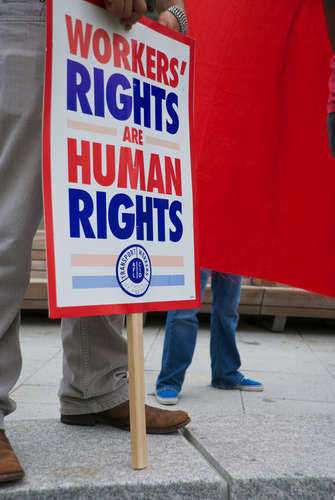
Many illegal immigrant workers also work in industries that are known for poor working conditions, such as agriculture, construction, and domestic work. These industries are often unregulated and lack proper oversight, leading to abuses such as wage theft, harassment, and unsafe working conditions.
Lack of Protection for Illegal Immigrant Workers
A significant problem facing illegal immigrant workers is the lack of legal protection. Many countries deny legal rights to illegal immigrants, including the right to form a union, the right to receive a minimum wage, and the right to work in safe conditions. This lack of protection makes it easier for employers to exploit illegal immigrant workers without fear of legal consequences.
In addition, illegal immigrants often fear reporting abuses to authorities, as they fear deportation or other legal consequences. This fear is often justified, as many countries have policies that allow law enforcement officials to detain and deport illegal immigrants, even if they are victims of mistreatment.
📝 See Also
Government Responses to Mistreatment of Illegal Immigrant Workers
Many governments have struggled to address the mistreatment of illegal immigrant workers. While some countries have introduced measures to protect the rights of migrant workers, many have been criticized for failing to take effective action to address this problem.
In the United States, for example, the Trump administration introduced policies that made it easier for employers to exploit illegal immigrant workers. These policies included reducing the budget for enforcement of labor laws, suspending regulations that protected workers, and rolling back policies that allowed illegal immigrant workers to pursue legal claims against their employers.
In contrast, other countries have taken steps to protect the rights of migrant workers, including illegal immigrants. In 2015, for example, the United Arab Emirates introduced a new law that provides legal protection to domestic workers, including illegal immigrants. The law requires that employers provide workers with a written contract, prohibits the confiscation of workers' passports, and requires employers to pay workers on time.
Impact of Mistreatment of Illegal Immigrant Workers
The mistreatment of illegal immigrant workers has a significant impact on society, as it contributes to social inequality, economic instability, and humanitarian crises. Exploitation of illegal immigrant workers leads to a cycle of poverty, as workers are unable to earn a living wage or access social services. This can lead to a significant social and economic burden, as illegal immigrants who are unable to support themselves often rely on public services, such as healthcare and education.
In addition, the mistreatment of illegal immigrant workers can have significant consequences for public health and the environment. Workers who are unable to access safe working conditions may be exposed to hazardous chemicals, leading to health problems such as respiratory diseases and cancer. In addition, workers who are not paid a living wage may be forced to rely on subsistence farming or other activities that contribute to environmental degradation.
Conclusion
The mistreatment of illegal immigrant workers is a significant problem across the world. Illegal immigrants are particularly vulnerable to abuse and exploitation due to their vulnerable status and lack of legal protection. Governments, employers, and civil society organizations must work together to address the root causes of this problem and protect the rights of migrant workers. This includes introducing policies that provide legal protections for workers, improving working conditions and wages, and ensuring that workers are able to report abuses without fear of deportation or legal consequences.
Illegal immigration, as well as the policies proposed to control it, have been the topic of debate in the United States for decades. Without citizenship, illegal immigrants are not allowed any of the same rights and advantages for living within the new nation and under its government. Instead, they can strictly be hired as immigrants with no benefits and very small pay, usually far below the national minimum wageundocumentedfamily reunification
Illegal immigration poses a serious risk of the mistreatment of workers because of their lack of rights and citizenship. Illegal immigrant workers may not have to pay taxes, but they are not accounted for as a true citizen to the nation. Still, many immigrants pay taxes through an identification numbers that poses them no danger in terms of being deported as a result.
Besides not having the right to vote, acquire property, enroll in a bank, work professionally, or have insurance, many in the illegal immigration wave will find themselves not even collecting minimum wage. However, the rise of illegal immigration has not slowed down, very steadily increasing on a daily basis. The promise of a freer, more independent life with a relatively larger income compared to the value of the wages in their homeland, appears to be sufficient and worth the dangers and potential mistreatment towards immigrants.
The desperate need of illegal immigrants to keep their job and prevent immigration penalties will tolerate mistreatment from their employers. There have been news stories in the immigration debate of overworked workers getting limbs detached on the job while employers would threaten to turn them in if they ever tried to press matters any further.
Terrible and dangerous working conditions that would be fined by the law are overlooked on account of injuries not being reported and working environments remaining unexposed to regulations due to the fear of their immigration status being exposed.