An Overview of the Dangers of Illegal Immigration
📅 2026 Update: Changes in Illegal Immigration Trends and Impacts
Since the original article was written, the dynamics of illegal immigration in the United States have shifted significantly. The unauthorized immigrant population has grown sharply, reflecting changes in migration patterns and enforcement policies. This update provides a current overview of these changes while the earlier article continues to explore the broader implications of illegal immigration on American society.
🌍 Unauthorized Immigrant Population Growth
As of mid-2024, the unauthorized immigrant population in the U.S. reached 15.8 million, a 47% increase from 10.8 million in 2019. This change highlights the ongoing challenges faced by immigration policy and enforcement. The rise in numbers is influenced by various factors, including economic conditions and social unrest in countries of origin.
🌎 Diversification of Origins
A notable change is the diversification of the unauthorized immigrant population. The proportion of immigrants from Mexico dropped from 62% in 2010 to just 35% in 2024. This shift points to increasing numbers from Central and South American countries, particularly Honduras and Guatemala.
These trends may affect how communities adapt to and perceive immigration.
📉 Decrease in Border Encounters
In fiscal year 2025, migrant encounters at the U.S.-Mexico border fell to 237,538, marking the lowest level since 1970. This drop comes after encounters exceeded 1.5 million in 2024. Improved border security measures have contributed to this decline, impacting how illegal immigration is managed and perceived across the nation.
💼 Criminal Enforcement and Sanctuary Jurisdictions
U.S. Immigration and Customs Enforcement (ICE) ramped up its efforts, arresting individuals with serious criminal convictions, including gang members and drug traffickers in mid-2025. At the same time, sanctuary jurisdictions were identified, where local authorities do not fully cooperate with federal enforcement.
These developments can create complexities in addressing crime related to illegal immigration and community safety.
🏥 Strain on Services and Resources
The increase in the unauthorized immigrant population continues to put pressure on public services. With millions of unauthorized immigrants relying on healthcare, education, and other social services without paying full taxes, local communities may experience resource strain. This issue remains a significant factor in the ongoing debate surrounding immigration reform.
🚨 Criminal Enforcement Actions
Recent actions by U.S. Immigration and Customs Enforcement (ICE) show a focus on individuals with serious criminal convictions. In July 2025, ICE arrested gang members and drug traffickers, emphasizing the government's commitment to enforcing immigration laws.
These arrests are part of a broader strategy to address crime associated with illegal immigration. The connection between unauthorized immigrants and criminal activity remains a topic of concern in many communities. Stricter enforcement aims to enhance public safety while balancing immigration policy and community relations.
📌 Key Takeaways
- 🔹 The unauthorized immigrant population grew to 15.8 million in 2024, a 47% increase since 2019.
- 🔹 The proportion of immigrants from Mexico has decreased to 35%; Central and South American immigrants are on the rise.
- 🔹 Migrant encounters at the border dropped to 237,538 in fiscal year 2025, the lowest since 1970.
- 🔹 Stricter criminal enforcement has led to ICE arrests of individuals with serious convictions, including gang members.
- 🔹 The rising unauthorized immigrant population continues to strain public services and resources in local communities.
💡 Tips for Understanding Illegal Immigration Issues
Review the details of your personal situation with your attorney to better understand your options and rights.
📄 Know the Current Population Statistics
The unauthorized immigrant population in the U.S. reached 15.8 million in mid-2024. This is a significant increase from previous years and indicates ongoing trends in immigration. Understanding these numbers can help frame the discussion around immigration policies and community impacts.
🌍 Be Aware of Origin Shifts
The composition of unauthorized immigrants has changed, with the percentage from Mexico dropping to 35% in 2024. More individuals are coming from Central and South America. Familiarizing yourself with these shifts can provide insight into the factors driving immigration and the needs of different communities.
🚧 Understand Border Enforcement Changes
Migrant encounters at the U.S.-Mexico border fell to 237,538 in fiscal year 2025, the lowest since 1970. This decline is due to improved border security measures. Being informed about enforcement changes can help you understand the current landscape of immigration policy and its implications for individuals.
💼 Explore Legal Resources
🏥 Consider the Impact on Public Services
As the unauthorized immigrant population grows, there is increasing pressure on public services such as healthcare and education. Understanding this impact can help communities and individuals advocate for balanced solutions that address both immigration and resource needs.
🔍 Stay Updated on Policy Changes
In August 2024, the Biden administration stopped admitting migrants under the CHNV parole program. Staying informed about policy changes is essential for understanding how they may affect immigration options and the landscape of unauthorized immigration moving forward.
🛑 Challenges in Addressing Human Trafficking
Illegal immigration has been linked to human trafficking, a serious issue that affects many individuals crossing borders. Weak border security measures can facilitate the establishment of trafficking routes. Victims are often brought into the U.S. against their will and forced into exploitation.
These trafficking cases can involve forced labor, prostitution, and other forms of abuse. Many victims are treated as criminals rather than survivors, which complicates their situation. Current immigration policies may not adequately protect these individuals, leaving them vulnerable.
Efforts to combat human trafficking emphasize the need for a comprehensive approach. This includes improving border security while also ensuring that victims receive the support and protection they need. Addressing these challenges is crucial for both the safety of individuals and the integrity of immigration systems.
🏆 Immigration Services Ranked by User Reviews (2026)
This section outlines immigration services relevant to the topic of illegal immigration and its impacts on society. The services listed below relate to navigating immigration processes, which can be crucial for many unauthorized immigrants looking for pathways to legal status.
🥇 1. Lawfully
This service aims to assist users in understanding their immigration status and options, which is particularly relevant given the growing unauthorized immigrant population.
However, it is important to note that Lawfully is limited to certain visa categories. There can also be occasional inaccuracies in the data provided, which may impact users relying on precise information for their immigration cases.
🥈 2. Boundless Immigration
This service is recognized for its comprehensive immigration support and user-friendly digital platform. It assists individuals in preparing their immigration applications, which can be crucial for unauthorized immigrants seeking to adjust their status.
While Boundless offers a robust platform, some users have reported document handling issues and delays in communication.
🥉 3. CitizenPath Immigration Services
CitizenPath Immigration Services averages 4.5. It is known for providing affordable and easy USCIS form preparation, along with step-by-step guidance. This service is particularly helpful for individuals who may be unfamiliar with the immigration process and need clear, accessible support.
Additionally, some technical glitches have been reported, which could hinder the experience for individuals navigating important immigration forms.
🆓 Free Legal Aid Organizations
Several nonprofit organizations offer free resources for individuals dealing with immigration issues. Groups like the American Immigration Council and the National Immigration Law Center provide information and assistance with navigating the immigration process.
🔎 What to Compare When Choosing Immigration Services
- 💬 User reviews: Look for services with positive feedback from actual users.
- ⚙️ Service offerings: Ensure the service covers the specific immigration needs you have.
- 🛠️ Customer support: Check the availability and responsiveness of customer service.
- 💵 Fees and costs: Be aware of any hidden fees associated with the service.
❓ Frequently Asked Questions
🤔 What is the current size of the unauthorized immigrant population in the U.S.?
As of mid-2024, the unauthorized immigrant population in the U.S. reached 15.8 million. This reflects a significant increase from 10.8 million in 2019, indicating ongoing trends in immigration.
🌎 How has the demographic makeup of unauthorized immigrants changed?
The share of unauthorized immigrants from Mexico has decreased from 62% in 2010 to 35% in 2024. This shift highlights a growing number of immigrants coming from Central and South American countries.
🚨 What changes have occurred in border encounters?
In fiscal year 2025, migrant encounters at the U.S.-Mexico border fell to 237,538, the lowest level since 1970. This decline is attributed to improved border security measures, which have altered the landscape of illegal immigration.
🏛️ What are the recent policy updates regarding immigration?
In August 2024, the Biden administration ceased admitting migrants under the CHNV parole program. This policy change has led to a notable reduction in new unauthorized immigrants entering the U.S.
🔍 How do sanctuary jurisdictions affect immigration enforcement?
Sanctuary jurisdictions are areas that do not fully cooperate with federal immigration enforcement. As of May 2025, the Department of Homeland Security identified such jurisdictions, which may influence local law enforcement and community safety.
🛡️ What actions is the U.S. government taking against illegal immigration?
In July 2025, U.S. Immigration and Customs Enforcement (ICE) arrested individuals with serious criminal convictions, including gang members and drug traffickers. These actions highlight ongoing efforts to enforce immigration laws and address associated criminal activities.
⚖️ Recent Cases Related to Illegal Immigration
These cases reflect ongoing challenges related to border security, the rights of unauthorized immigrants, and enforcement of immigration laws.
- Immigration Appeals Board Overturns Asylum Decision in CaseBoard of Immigration Appeals · June 23, 2026
- Immigration Board Denies Asylum for Jamaican WomanBoard of Immigration Appeals · May 21, 2026
- Immigration Board Orders Removal of Barbados Man with Criminal PastBoard of Immigration Appeals · May 7, 2026
- Board of Immigration Appeals denies protection for Honduran manBoard of Immigration Appeals · May 4, 2026
For further insights, you can explore more rulings on the news page.
End of October 2026 Update
Introduction
Immigration has been a global issue for decades, and it remains a contentious topic today. Illegal immigration is a growing concern in the United States, and it is impacting the country’s development and growth. There have been many debates and discussions about how it affects the country in numerous ways.
Illegal immigration is an issue that affects every aspect of American society, from the economy to healthcare. The United States has been facing the problem of illegal immigration for a very long time, and its impact cannot be overstated. Illegal immigration affects the country’s economic growth, education, healthcare, labor market, and various other aspects of development.
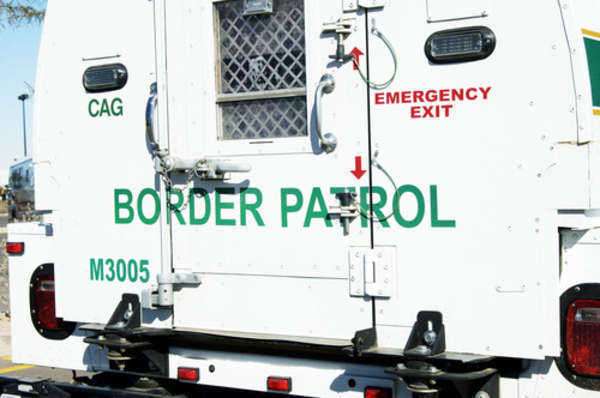
In this article, we will discuss how illegal immigration affects America’s development, its negative and positive effects, and how these impacts could change in the future. We will also look at the current pandemic’s impact on illegal immigration and how it could affect the country’s development.
What is Illegal Immigration?
Illegal immigration is the violation of a country’s immigration laws by people who enter the country without permission and then stay in the country for an extended period. Illegal immigration is a problem in most countries, but it is particularly problematic in the United States.
The United States has one of the highest numbers of illegal immigrants in the world, estimated at around 11 million in 2015, and that number has since reached an estimated 12.5 million in 2021. The majority of these immigrants come from Mexico, Central America, and South America. The problem of illegal immigration is difficult to address because of the complex and often conflicting attitudes towards migrants and their rights.
Negative Effects of Illegal Immigration
Illegal immigration has several negative effects on America’s development. We will discuss them below.
📝 See Also
1. Economic Impact
Illegal immigration can have a significant impact on the country’s economy. One of the negative impacts of illegal immigration on the economy is that it creates a strain on the resources of the country.
Illegal immigrants tend to be low-income earners who compete with legal citizens and residents in the same job markets. This competition leads to a depressed wage rate for both legal and illegal workers. Illegal immigrants tend to work for lower wages because they are not protected by labor laws and regulations, and they do not have the same access to benefits such as health insurance and retirement savings.
Moreover, illegal immigrants also receive government benefits and services without paying taxes that support these programs. These benefits include medical care, education, and other social services.
According to a study conducted by the National Academies of Sciences, Engineering, and Medicine (NASEM), illegal immigrants cost taxpayers around $116 billion in 2017 due to services such as education, health care, and law enforcement. These costs are borne by taxpayers who are citizens or legal residents.
2. Social Impact
Illegal immigration can also have a significant social impact. One of the social impacts of illegal immigration is that it can lead to social unrest due to the perception that illegal immigrants are taking away jobs from legal citizens and residents.
Moreover, illegal immigrants often live in enclaves or ghettos where they are not integrated into the larger society. This segregation can lead to increased social tensions, crime, and gang activity. According to a study conducted by the Cato Institute, immigrants, including illegal immigrants, have a lower crime rate than native-born citizens.
However, the study also indicates that illegal immigrants are more likely to commit certain crimes, such as drug offenses, human trafficking, and smuggling.
3. Labor Market Impact
Illegal immigration has an impact on the labor market. As mentioned above, illegal immigrants compete with legal citizens and residents for jobs, leading to a depressed wage rate for both legal and illegal workers.
Moreover, illegal immigrants tend to work in industries that require manual labor, such as agriculture, construction, and manufacturing, where they may work under unfavorable and hazardous conditions without the protection of labor laws and regulations.
The presence of illegal immigrants in these industries also leads to underreporting of labor law violations and inadequate oversight by authorities. Employers may be incentivized to hire illegal immigrants because they are willing to work for lower wages and without the protection of labor laws.
Positive Effects of Illegal Immigration
Illegal immigration also has positive effects on America’s development. We will discuss them below.
1. Economic Impact
Illegal immigration has a positive economic impact on America’s development. Illegal immigrants contribute to the country’s economy through their labor, taxes, and consumer spending.
Illegal immigrants work in industries that are essential to the United States, such as agriculture, construction, and manufacturing. They provide jobs to legal citizens and residents and contribute to the country’s economic growth. According to a study by the Center for American Progress, immigrants, including illegal immigrants, contribute around $2 trillion to the country’s GDP.
Illegal immigrants also pay taxes, such as sales and property taxes, if they own homes or businesses. According to a study conducted by the Cato Institute, illegal immigrants pay around $11.8 billion in state and local taxes each year.
2. Social Impact
Illegal immigration has a positive social impact on America’s development. Immigrants, including illegal immigrants, have contributed to the country’s cultural diversity, technological advancement, and economic success.
Illegal immigrants are not only an essential part of America’s labor force, but they also contribute to the country’s intellectual capital. They bring skills, education, and work experience that can aid in developing the country’s economy and intellectual capital.
Moreover, immigration has always been part of America’s story, and illegal immigrants continue to maintain that legacy. Immigrants have enriched America’s cultural, intellectual, and social fabric, contributing to its diversity and strength.
3. Labor Market Impact
Illegal immigration has a positive labor market impact on America’s development. They fill the labor shortage gap in low-skilled industries, complementing the United States’ workforce.
The McKinsey Global Institute estimates that the United States will experience a shortage of 1.5 million low-skilled workers by 2020. Illegal immigrants can fill this gap by working in industries that require manual labor. This allows businesses and industries to operate more efficiently, lowering production costs and increasing profits.
Illegal Immigration during the Pandemic
The COVID-19 pandemic has brought about significant challenges, including the handling of illegal immigration. The pandemic has affected every sector of American society, including illegal immigration.
The pandemic has disrupted the economy, leading to a decrease in job opportunities, especially for low-skilled workers. This has put a huge strain on illegal immigrants, who work mainly in low-skilled industries, such as hospitality, agriculture, and construction. Illegal immigrants may be forced to return to their home countries, leading to a labor shortage in these industries.
Moreover, the pandemic has increased the demand for healthcare services, leading to a shortage of healthcare workers. This demand has led to an increase in demand for immigrant healthcare workers, including illegal immigrants. However, some illegal immigrants may be hesitant to seek medical care due to their fear of deportation, which can put themselves and others at risk.
The pandemic has also highlighted the need for a robust immigration system that can handle such crises. The pandemic has underscored the need for a comprehensive approach to immigration that can balance the needs of the economy, workers, and society with concerns such as border security and national security.
Conclusion
Illegal immigration has both negative and positive impacts on America’s development. It has an impact on the economy, labor market, and social factors. While illegal immigration may have a negative impact on the economy and labor market, it has a positive social impact and provides support to industries that require manual labor.
The COVID-19 pandemic has brought further challenges to the issue of illegal immigration, affecting industries that require low-skilled workers. However, the pandemic has highlighted the need for a comprehensive approach to immigration, including a balance of the needs of the society, economy, and border security.
Overall, it is essential to have a comprehensive solution to the problem of illegal immigration while recognizing the role that illegal immigrants play in America’s development. We must ensure that this balance is maintained for the benefit of the United States’ economy, society, and people.
Crime
There has always existed a perceived connection between immigration and crime. Dating back to the early years of the United States, immigration trends began to skyrocket by the mid-nineteenth century. Due to the current absence of background checks completed at this time, many Americans were worried about the vast increases in unknown immigrants.
Just as there was a pervasive racism that effected this sentiment, similar stereotypes exist today towards those entering the country illegally. Many of these anxieties stem from the attacks on 9/11 and growing fears surrounding border protection. Although some of these worries are misplaced, criminal issues arising from illegal immigration do present a difficult set of problems.
For one, recent gang activity throughout Mexico often pours over the primary borders, bringing with it the illegal transportation of guns and drugs. In addition, the general notion that no parameter for documentation exists for one entering the country, as a result of insufficient border-point security measures, clearly presents national security issues to the larger American population.
Mistreatment of Workers
Another inherent danger entangled with the debate about illegal immigration is the possible mistreatment of migrant workers. The majority of illegal immigrants entering the country from Mexico come with the intention of better employment opportunity. Continued work provided for illegal immigrants correlates with the increases of illegal immigration over the past two decades.
This increase in available work has not, however, illustrated any marked different in pay or working conditions. The majority of illegal immigrants are subjected to dangerous work conditions, and are neither provided with any guarantee of employment nor compensation for injuries sustained on a job site.
Due to the fact that a majority of illegal immigrants work in arenas of manual labor, this lack of compensation resonates further. Based on growing trends of illegal immigration, employers have no incentive to raise pay or improve conditions. As a result, these workers are often underpaid and overworked with no representation. The plight of migrant workers reflects employment trends of the early twentieth century more than a modern and just nation.
Abduction, Prostitution, Slavery
Other dangers that stem from the current system of American immigration are comprised of human trafficking and exploitation. As a result of weakly-protected governed borders, criminals have been able to establish international trafficking routes where individuals are taken from Mexico, sometimes against their will, and forced into some wing of criminal activity.
Due to the nature of immigration law, some of these victims are held in the same accord as illegal immigrants. Rather than offering amnesty in certain cases to locate the actual criminals, immigration policy often presents laws that are too rigid to allow for marked growth in national security. Some of the more prevalent cases have dealt with prostitution rings that traffic women from Mexico usually for extremely low wages. Immigration policy argued to be far too complacent when establishing policy to address these violations of human rights - officers require more comprehensive tools to fight this growing danger.