Do You Know About the State Department?
📅 2026 Update: Changes in U.S. Immigration and Visa Policies
immigration and visa policies. New programs and updates have been introduced by the State Department to streamline processes and enhance security for applicants. The information below outlines the most significant changes relevant to the Department's functions.
📄 Nonimmigrant Visa Expedited Appointment Pilot Program
On August 18, 2026, the State Department launched a new pilot program. This means applicants can secure an interview within 10 business days at selected U.S. embassies and consulates.
This program aims to address the growing demand for timely visa processing and help travelers who need to visit the U.S. quickly.
🔍 Expanded Visa Screening and Vetting
As of October 1, 2026, the State Department expanded its online presence review for visa applicants. This now includes individuals applying for I, TN, and TD nonimmigrant visas.
🌍 Presidential Proclamation 10998
Effective January 1, 2026, Presidential Proclamation 10998 was enacted. This proclamation limits entry and visa issuance to nationals from 39 countries. It also applies to individuals using travel documents issued by the Palestinian Authority.
This proclamation reflects ongoing concerns about security and immigration policy adjustments in response to global events.
🌐 Diversity Visa Program 2026
The Diversity Visa Program for 2026 had its online registration period from October 2, 2024, to November 7, 2024. This program allows individuals from countries with low immigration rates to the U.S. to apply for permanent residency.
Eligibility requires meeting specific education or work experience criteria.
💵 Premium Processing Fee Increase
This fee applies to various applications, including those for employment-based visas. Additionally, on October 16, 2026, USCIS adjusted certain immigration-related fees for inflation as mandated by the One Big Beautiful Bill Act.
These changes may impact how applicants budget for their visa processes.
🌍 Diversity Visa Program Eligibility
Recent changes to the Diversity Visa Program require applicants to come from countries with low immigration rates to the U.S. They must also meet specific education or work experience requirements. This aims to diversify the immigrant population and ensure the program benefits those who truly qualify.
📌 Key Takeaways
- 📅 Nonimmigrant Visa Pilot Program allows expedited interviews for B visa applicants.
- 🔍 Expanded vetting now includes social media profile requirements for certain visa applicants.
- 🌍 Presidential Proclamation 10998 affects entry for nationals of 39 countries.
- 🌐 Diversity Visa Program registration period concluded; applicants must adjust status by September 30, 2026.
- 💵 Premium processing fee increased to $2,075, with additional fee adjustments expected.
💡 Tips for Navigating U.S. Immigration and Visa Processes
📋 Understand the Nonimmigrant Visa Pilot Program
If you plan to visit the U.S., consider the Nonimmigrant Visa Expedited Appointment Pilot Program. Check if your local U.S. embassy or consulate offers this option to expedite your travel plans.
🔍 Stay Informed on Visa Screening Changes
Be aware of the expanded visa screening and vetting process that began on October 1, 2026.
🌍 Know the Impact of Presidential Proclamation 10998
If you are from one of these countries, review the entry limitations and visa issuance restrictions that may apply to your situation.
🌐 Prepare for the Diversity Visa Program
If you're interested in the Diversity Visa Program, remember that the registration period for 2026 has already closed. Make sure to meet the eligibility requirements, which include having low immigration rates from your home country and specific education or work experience.
💵 Budget for Processing Fees
Plan ahead for increased processing fees, including the premium processing fee that rose to $2,075 as of March 1, 2026. Additionally, USCIS adjusted other immigration-related fees for inflation on October 16, 2026. This financial preparation will help you avoid surprises during your application process.
🔍 Stay Informed About Recent Changes
Keep up with recent immigration updates to understand how they may affect your situation. This program allows certain B visa applicants to pay a fee for an expedited interview, reducing wait times significantly.
Also, be aware of Presidential Proclamation 10998, which took effect on January 1, 2026. Understanding such changes can help you navigate the immigration process more effectively.
Lastly, confirm your eligibility for programs like the Diversity Visa Program. Applicants must meet specific criteria, including coming from countries with low immigration rates to the U.S.
Staying informed can help you avoid delays and ensure a smoother application process.
🏆 Ranked by User Reviews (2026)
This section reviews services related to immigration and visa assistance, which are essential for those navigating the U.S. immigration system. These services help individuals prepare applications, understand requirements, and streamline the process for obtaining visas or adjusting their immigration status.
The reviews come from Trustpilot data collected in October 2026, reflecting user experiences. Unhappy customers often leave more reviews, which can skew perceptions.
🥇 1. Translayte
Translayte has been rated 4.5 on Trustpilot. Accurate translations can be crucial when applying for visas or other immigration-related processes, as they ensure compliance with U.S. requirements.
However, reviewers note that Translayte's pricing is higher compared to competitors. While many users appreciate the quality of service, the cost may be a consideration for those on a tight budget.
🥈 2. Boundless Immigration
Boundless Immigration holds a Trustpilot score of 4.8. Many users highlight the clear guidance provided during the application steps, which can help prevent errors that delay processing.
Some reviewers have mentioned delays in application processing. While most users report positive experiences, it's wise to prepare for potential wait times when using their services.
🥉 3. CitizenPath Immigration Services
CitizenPath has an average rating of 4.5 on Trustpilot. Known for its online immigration form preparation and step-by-step guidance, CitizenPath aims to simplify the complex immigration process. Many users appreciate the user-friendly platform, which helps them complete their applications accurately and efficiently.
Despite the positive feedback, some users noted limited customer support availability. Those who prefer direct communication may find this aspect challenging.
4️⃣ Immiassist
Immiassist has been rated 4.1 on Trustpilot. Users report that the platform helps them understand what documents are needed and assists in filing applications correctly.
However, some reviewers have reported delays in response times. While many users find the service helpful, they advise patience when awaiting replies, especially for urgent inquiries.
💰 Cost Comparison of Immigration Services
When considering immigration services, cost is an important factor. Translayte is known for its certified translation services, but many reviewers point out that its pricing is higher compared to competitors. This can be a significant consideration for individuals on a budget seeking assistance with immigration documents.
In contrast, Boundless Immigration offers a solid balance of service quality and pricing. With a high Trustpilot rating of 4.8, users report clear guidance, which can help avoid costly mistakes. While some clients have mentioned delays in application processing, the overall feedback suggests that the value for the service is favorable.
CitizenPath provides a user-friendly platform for online immigration form preparation. Its pricing is not highlighted as a concern, but the limited customer support availability could be a drawback for those needing immediate assistance. Immiassist, while rated lower at 4.1, offers competitive pricing and helpful resources, though users have reported delays in response times, which might affect the overall experience.
🆓 Free Government or Nonprofit Help
For those seeking assistance without incurring costs, the U.S. Citizenship and Immigration Services (USCIS) provides resources to help with immigration-related questions.
Additionally, be cautious of fraudulent websites that may pose as official sources, which can lead to misinformation.
🔎 Key Factors to Compare
- 🏷️ Service Fees: Understand the costs involved for each service you consider.
- ⏳ Processing Times: Look at how long it typically takes for applications to be processed with each service.
- 📞 Customer Support: Evaluate the availability and responsiveness of support teams.
- 🌍 Specialization: Consider if the service specializes in the type of immigration assistance you need.
- 📑 User Reviews: Check recent user experiences to gauge service reliability and quality.
❓ Frequently Asked Questions
🛂 What is the Nonimmigrant Visa Expedited Appointment Pilot Program?
embassies and consulates.
🌍 How does the expanded visa screening and vetting affect applicants?
These applicants must set their social media profiles to "public" or "open," which may impact how they present themselves online.
📅 What are the deadlines for the Diversity Visa Program?
💸 How have immigration-related fees changed recently?
Additionally, on October 16, 2026, USCIS adjusted certain immigration-related fees for inflation, as required by the One Big Beautiful Bill Act.
📄 What are the current processing times for immigration forms?
For Form I-129, the median processing time was 5.1 months for non-premium filed cases.
⚠️ What should I do if I suspect fraud regarding immigration information?
Be cautious of fraudulent websites and emails that may pose as official U.S. government sources. For accurate information about immigration-related questions or fees, contact the USCIS Office of Chief Financial Officer at 240-721-3000.
🌐 What is Presidential Proclamation 10998?
It also affects individuals using travel documents issued by the Palestinian Authority.
This proclamation is part of the U.S. government's efforts to manage immigration and security concerns. It is important for individuals from the affected countries to stay informed about the implications for their visa applications and travel plans.
⚖️ Recent Cases Impacting Immigration
Recent court rulings have influenced various aspects of U.S. immigration policy, including visa processes and eligibility. These cases highlight the ongoing legal debates surrounding the State Department's actions and decisions regarding visas and immigration status.
- Court rules in favor of immigrant in due process caseCourt of Appeals for the Fourth Circuit · July 14, 2026
- Court grants preliminary injunction for Iranian physicianDistrict Court, District of Columbia · May 30, 2026
- Court denies immigration relief for Nwosu, upholds removalCourt of Appeals for the Sixth Circuit · May 29, 2026
- Court dismisses visa lawsuit by Iranian-Canadian citizenDistrict Court, District of Columbia · May 28, 2026
Readers can explore these important developments and their implications by checking out more rulings on the news page.
End of October 2026 Update
Do You Know About the State Department?
The United States Department of State, commonly referred to as the State Department, is the federal agency that is responsible for the implementation of foreign policy in the United States. The Department was established in 1789 and is headquartered in Washington D.C.
The State Department is responsible for a wide range of activities, including managing diplomatic relations between the United States and other countries, providing advice and assistance to the President and other senior officials on foreign policy matters, negotiating and implementing treaties, providing consular services to U.S. citizens abroad, and conducting public diplomacy.
To better understand what the State Department does and why it matters, let's take a closer look at some of its key functions and activities.
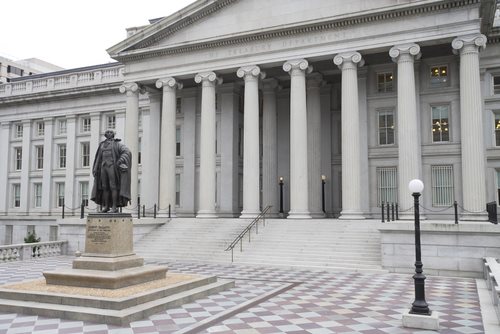
Diplomacy
Perhaps the most visible function of the State Department is diplomacy. Diplomacy is the art of negotiating and managing relationships between nations in order to achieve political, economic, and other goals. The State Department carries out this function in a number of ways:
1. Embassies and consulates: The State Department maintains a network of more than 260 U.S. embassies and consulates around the world. These facilities serve as the primary points of contact between the U.S. government and foreign governments, providing a range of services to American citizens living and traveling abroad.
2. Diplomatic corps: The State Department's diplomatic corps is made up of career diplomats, political appointees, and foreign service officers who work to represent U.S. interests abroad. These individuals are responsible for negotiating agreements, promoting democracy and human rights, and managing crisis situations.
3. Treaties: The State Department plays a key role in negotiating and implementing treaties between the United States and other countries. These agreements cover a wide range of issues, including trade, national security, environmental protection, and human rights.
Foreign Aid
In addition to diplomacy, the State Department is responsible for administering foreign aid programs. U.S. foreign aid is used to support economic development, promote democracy and human rights, provide humanitarian assistance, and address global health challenges.
Some of the important foreign aid programs managed by the State Department include:
1. USAID: The United States Agency for International Development (USAID) is responsible for administering U.S. development assistance around the world. The agency provides funding to support things like education, health care, and economic development in developing countries.
2. Emergency relief: The State Department also plays a key role in providing emergency assistance to countries in crisis. This may include responding to natural disasters, providing food and shelter to refugees, or supporting countries experiencing political turmoil.
📝 See Also
Public Diplomacy
Finally, the State Department is also responsible for conducting public diplomacy. This function involves promoting the U.S. government's message and values to foreign audiences in order to build positive relationships. Some of the key activities involved in public diplomacy include:
1. Cultural exchanges: The State Department sponsors a range of cultural exchange programs that bring people from different countries together to share ideas and learn from one another. These programs can include everything from student exchange programs to cultural festivals.
2. Information campaigns: The State Department also works to promote U.S. views and values through information campaigns. This may include things like public service announcements, social media campaigns, and other forms of messaging.
3. International Broadcasting: Finally, the State Department is responsible for managing the U.S. government's international broadcasting services, which include outlets like Voice of America, Radio Free Europe, and Radio Marti. These services provide news and information to audiences around the world.
Recent Developments
The State Department has been at the forefront of several recent developments in U.S. foreign policy.
1. Climate change: In recent years, the State Department has been working to promote international action on climate change. This includes negotiating agreements like the Paris climate accord and working to build international support for renewable energy and emissions reductions.
2. North Korea: The State Department has played a key role in U.S. efforts to address the ongoing crisis on the Korean peninsula. This has involved negotiations with North Korea over its nuclear program, as well as efforts to coordinate international responses to the growing threat posed by the regime in Pyongyang.
3. Cybersecurity: Finally, the State Department has been working to address growing concerns over cybersecurity. This has involved supporting international norms and standards for cybersecurity, as well as working with other countries to identify and combat cyber threats.
Conclusion
Overall, the State Department plays a key role in shaping U.S. foreign policy. Its diverse set of functions and activities help to support U.S. interests around the world, promoting everything from democracy and human rights to economic development and emergency relief. While the State Department often operates behind the scenes, its work is essential to advancing U.S. interests abroad and building positive relationships with other countries.
The term "State Department" can be used to refer to a number of different government entities. In most cases, individuals who use this term are referring to the United States State Department, which is a branch of the federal government. The federal State Department is responsible for overseeing international relations and diplomacy efforts, as well as protecting American citizens who are traveling to foreign countries.
This government entity maintains bases from which it operates in many countries throughout the world. The State Department works with embassies and consulates established throughout the world, in order to assess travel conditions, protect American citizens, and promote diplomacy and cooperation. This organization also issues passports to American citizens and visas to visitors and immigrants.
In additions the the United States State Department, there are a number of state government entities that have adopted this title. For example, the New York State Department of State is a government organization that operates on a state level in New York.
Though all states maintain Departments that possesses similar duties and responsibilities, only a few state have adopted the title "Department of State" for these organizations. In general, a Department of State that operates on a state level is obligated to regulate the economic sector in its state, license businesses and professionals, improve the living conditions in its state, and protect the residents of its state. The exact responsibilities of the Department will vary from one state to another.