Cambodian refugees
📅 2026 Update: Changes in Refugee Admissions and Support
refugee admissions and support programs. The landscape for Cambodian refugees and other asylum seekers has shifted dramatically, especially in recent years. The ongoing global displacement crisis has influenced U.S. policies, leading to new challenges and opportunities for refugees.
This update will highlight the key changes in refugee admissions and support services relevant to Cambodian refugees. The earlier article continues further down the page, providing background on the struggles faced by these individuals.
🌍 Refugee Admissions Goals
In Fiscal Year 2024, the U.S. aimed to admit 125,000 refugees, the highest target in thirty years. However, this goal was short-lived. By October 2025, the White House set a new target of just 7,500 refugees for Fiscal Year 2026.
This marked the lowest admissions goal in the history of the U.S. Refugee Admissions Program (USRAP) amid a record number of global displacements.
⏳ Suspension of Admissions Program
On January 20, 2025, the U.S. This suspension affected the resettlement process for many, including Cambodian refugees seeking safety and stability. The halt created uncertainty and delays for those hoping to start new lives in the U.S.
📝 Resettlement Processing Changes
The resettlement process remains free for applicants. This change can impact the financial planning of new arrivals.
🆓 Free Support Services
Refugees can access free services provided by the UNHCR and Resettlement Support Centers (RSCs). These organizations assist refugees with resettlement processes, including security screenings and interviews. They play a critical role in helping refugees navigate the complexities of settling in a new country.
👨👩👧 Family Reunification Opportunities
This pathway is crucial for many families separated during the crisis, allowing them to reunite and rebuild their lives together in the U.S.
📌 Key Takeaways
- 🌏 Refugee admissions target dropped to 7,500 for Fiscal Year 2026 from a prior high of 125,000.
- ⏳ Suspension of the Refugee Admissions Program occurred in January 2025, delaying resettlement processing.
- 📝 Resettlement processing remains free, but families must repay travel costs over time.
- 🆓 Free support services available from UNHCR and RSCs assist refugees in the resettlement process.
- 👨👩👧 Family reunification is possible through Form I-730, allowing separated families to join together.
💡 Tips for Cambodian Refugees Navigating U.S. Resettlement
📝 Understand the Resettlement Process
The U.S. resettlement process involves multiple interviews and security screenings. Refugees must work with agencies like the UNHCR and Resettlement Support Centers (RSCs). Being prepared for these interviews can help streamline your application.
🌍 Explore Free Support Services
Take advantage of free services from the UNHCR and RSCs. Utilizing these resources can make the transition smoother.
👨👩👧 Consider Family Reunification
If you were separated from family members during your journey, look into the family reunification options available through Form I-730. Reuniting with family can provide essential emotional support during the adjustment period.
💰 Plan for Travel Costs
Budgeting for these expenses is crucial. Understanding the repayment process can help avoid financial stress later.
⏳ Stay Informed About Policy Changes
Keep track of any changes in U.S. refugee policies and admission goals. The admissions target shifted from 125,000 to just 7,500 for Fiscal Year 2026. Being informed can help you better understand the current climate for refugees and adjust your plans accordingly.
🔍 Utilize Trusted Immigration Services
Consider using reputable immigration services for assistance with your applications and paperwork. Services like Entry, CitizenPath, and SimpleCitizen have received positive ratings. They can help simplify the application process and provide support tailored to your needs.
🌐 Understanding Resettlement Eligibility Criteria
To navigate the resettlement process, it's important for Cambodian refugees to understand the eligibility criteria used by the UNHCR. This organization identifies refugees needing resettlement based on specific factors. These include legal protection needs, survivors of torture, medical needs, and family reunification.
Refugees should be aware that these criteria can impact their chances of being resettled in the U.S. Knowing these factors may help in preparing their cases and can guide them in gathering the necessary documentation. This understanding can enhance their ability to advocate for their needs effectively during the resettlement process.
🏆 Immigration Services Ranked by User Reviews (2026)
This section highlights immigration services that can assist Cambodian refugees and others navigating the U.S. immigration system. Ratings can fluctuate over time, and while they provide some insight, they are only one part of the picture.
It's essential to consider that unhappy customers often post more reviews, which can affect overall scores.
The following services have been noted for their roles in immigration support, including document processing and form preparation, which are vital for asylum seekers and refugees. Each service's reputation is tied to its ability to assist individuals in understanding the complexities of the U.S. immigration process.
🥇 1. Entry
Entry has been rated 4.8. Known for its AI-powered document processing, it aims to simplify the immigration process for users. This feature can be particularly helpful for Cambodian refugees who may find the paperwork daunting.
Reviewers appreciate the efficiency of the platform, which can help streamline the application process.
However, some users have reported delays in processing times. This could be a concern for those needing timely assistance to navigate their immigration journeys. Despite this, the positive reviews suggest that many find value in the service.
🥈 2. CitizenPath
CitizenPath holds a score of 4.8. This service is recognized for its immigration form preparation that is reviewed by attorneys, providing an added layer of assurance. This is especially beneficial for Cambodian refugees who may require guidance through complex legal requirements.
The platform’s design is user-friendly, making it accessible for individuals unfamiliar with the immigration system.
On the downside, some users mention that CitizenPath offers limited support for more complex immigration cases. This may be a drawback for individuals with unique circumstances that require specialized assistance. Overall, many users appreciate the straightforward approach to form preparation.
🥉 3. SimpleCitizen
SimpleCitizen has received a score of 4.9. It is known for its digital immigration and visa solutions, which help users manage their applications online. This service can be particularly useful for Cambodian refugees working to navigate the U.S. immigration process effectively.
Many reviewers commend the platform for its attorney-reviewed applications, which helps ensure accuracy.
Nevertheless, some users find the platform’s interface complex. This could pose challenges for those who are not tech-savvy or who may struggle with navigating digital tools.
💰 Cost Considerations for Immigration Services
When considering immigration services, costs can vary significantly among options. However, they charge differently based on their specific offerings and support levels.
- 🏷️ Processing Fees: Resettlement processing through U.S. agencies is free for applicants. This repayment can be a significant factor for refugees like Cambodians who are starting anew.
- 🤝 Free Support Services: The UNHCR and Resettlement Support Centers (RSCs) offer free assistance to refugees. These organizations help with essential steps in the resettlement process, including security screening and interviews. Utilizing these free resources can be beneficial for those who need guidance without additional financial strain.
Understanding the cost structure of each service can help Cambodian refugees make informed decisions as they seek support for their immigration needs. Balancing the costs with the level of support provided is crucial for those navigating the challenges of resettlement.
🆓 Free Support Services
Refugees can access free services from the UNHCR and Resettlement Support Centers (RSCs). These organizations provide essential support for navigating the resettlement process. They assist with security screenings and interviews, which are vital for Cambodian refugees seeking safety in the U.S.
Utilizing these services can ease the transition for new arrivals.
🔎 Factors to Compare When Choosing Immigration Services
- ⚖️ Expert Oversight: Check if the service includes attorney-reviewed applications for added reassurance.
- ⏳ Processing Times: Investigate average processing times, especially if timely assistance is critical.
- 💬 User Feedback: Read reviews to understand common praises or complaints from users.
❓ Frequently Asked Questions
🤔 What led to the increase in refugee admissions in 2024?
In Fiscal Year 2024, the U.S. set a refugee admissions target of 125,000, aiming to bring in the highest number of refugees in three decades. This decision was made to address the growing global need for refuge due to conflicts and crises around the world.
⏳ Why was the Refugee Admissions Program suspended in 2025?
On January 20, 2025, the U.S.
📉 What is the current refugee admissions goal for 2026?
For Fiscal Year 2026, the U.S. set the refugee admissions goal at just 7,500. This marks the lowest target in the history of USRAP amid record global displacement, reflecting a significant shift from previous years.
📋 How can refugees petition for family members to join them in the U.S.?
🌍 How does UNHCR assist refugees in the resettlement process?
The UNHCR provides essential support and services to refugees, including assistance with the resettlement process. They help prepare cases for security screenings and interviews, ensuring that refugees have access to protection and rights similar to those of nationals.
💸 Are there costs associated with U.S. resettlement processing?
Processing for U.S. resettlement is free for applicants.
⚖️ Recent Cases Impacting Refugee Resettlement
Recent court rulings have highlighted the complexities surrounding refugee admissions and resettlement processes in the U.S. These decisions can directly impact Cambodian refugees and their families. Understanding these cases is crucial for navigating the current immigration landscape.
- Fifth Circuit denies pseudonym requests in immigration caseCourt of Appeals for the Fifth Circuit · August 13, 2026
- Fifth Circuit denies motion to add new class representativesCourt of Appeals for the Fifth Circuit · August 13, 2026
- Court rules on immigration appeal of Jaime Navarro CerritosCourt of Appeals for the Fourth Circuit · August 11, 2026
- Court rules on immigration appeal involving witness tamperingCourt of Appeals for the First Circuit · August 11, 2026
You can explore more rulings on the news page for updates and insights on how these legal changes may affect refugees and their resettlement experiences.
End of October 2026 Update
Cambodian Refugees: The Struggle for Survival
Introduction:
Cambodia, a small Southeast Asian country, has seen its share of hardships. From 1975 to 1979, the country was under the brutal regime of the Khmer Rouge, which resulted in the deaths of over 2 million Cambodians. As a consequence of this political upheaval, many Cambodian refugees fled their homes and sought asylum in other countries. Even though many years have passed since then, the impact of this tragedy on Cambodian refugees cannot be ignored.
The Journey of Cambodian Refugees:
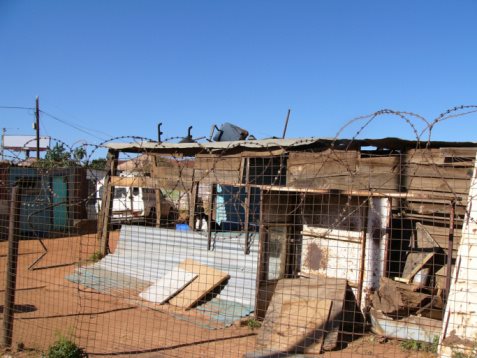
For many Cambodian refugees, their journey to safety was fraught with hardship and danger. They had to leave behind their homes, their families, and everything they had known. Many of them crossed borders illegally and faced abuse, violence, and exploitation on the way.
Life in Refugee Camps:
Once they reached their destination, many Cambodian refugees found themselves in refugee camps where they spent years waiting for resettlement. These camps, located in Thailand and other neighboring countries, were often overcrowded, under-resourced, and lacked basic amenities. In these camps, Cambodian refugees struggled to survive and often experienced malnutrition, disease, and trauma.
Settling in a New Country:
For those lucky enough to be resettled, their journey was far from over. The process of resettlement involved adapting to a new culture, learning a new language, finding a job, and building a new life. Cambodian refugees faced significant adjustment issues, which included cultural differences, discrimination, and trauma-related mental health issues.
Impact on Cambodian Community:
The impact of the Cambodian refugee crisis is still felt by the Cambodian community living in other countries. Many families were separated during the crisis, and some have still not been reunited. Those who did manage to escape and rebuild their lives often did so without much support. The trauma of the past continues to haunt them, and they have to navigate the challenges of assimilating into a new culture.
Conclusion:
The journey of Cambodian refugees is a testament to the resilience and strength of the human spirit. Despite the difficulties they faced, they managed to rebuild their lives and contribute to their new communities. The Cambodian community has become an integral part of the host countries, and their contributions to society should be celebrated. It is essential to remember the struggles that Cambodian refugees faced in the past, to ensure that such tragedies are not repeated in the future.
Currently, residents of Cambodian descent comprise less than one percent of the population of the United States. Thus, in relative terms, Cambodian immigrationrefugeesmurderNevertheless, the nation and its people did survive, and relevant to the pursuit of immigration in America, there were approximately 150,000 Cambodian refugees that had made their way to American shores.
With such a large number of individuals arriving from Cambodia, while refugee status certainly needed to be conferred on them, there also needed to be an organized plan to integrate them into American society. It was not as if United States immigration officials could simply dump Cambodian refugees en masse in a particular neighborhood and hope that they could survive or that a particular metropolitan area could support them.
Consequently, a more tactical resettlement program for these Cambodian refugees was chosen. For the sake of efficiency without detriment to the economy, the refugees were spread out across the country. Eventually though, in coming over from Cambodia, refugee migrants would come to assimilate themselves in locations based on prior established communities of Cambodian refugees. Refugee statistics, indicate that the largest Cambodian refugee communities in the United States exist in California, Massachusetts, Washington and Texas.