New Zealand Immigration Service
📅 2026 Update: Changes in US Immigration and Citizenship
These updates reflect ongoing shifts in government priorities and procedures.
🇺🇸 H-1B Visa Restrictions Extended
On September 18, 2026, President Trump issued Proclamation 11069. This means that the entry of many skilled workers will remain limited, impacting businesses that rely on these professionals.
The H-1B program has faced scrutiny for potential abuses, leading to more stringent policies aimed at protecting American workers.
🚫 Increased Denaturalization Efforts
This includes using quotas and broader targeting criteria. These actions have raised concerns among immigrants and advocates, as they could lead to more individuals facing the risk of losing their citizenship without clear justification.
Recent legal challenges have also emerged, with federal judges blocking or delaying some of these initiatives.
💵 New Fees and Costs for Immigration
There have been updates to various fees associated with immigration processes. Individuals immigrating to the U.S.
Additionally, starting October 16, 2025, those granted parole into the U.S.
⏳ Processing Times for Key Forms
Processing times for different immigration forms have also changed. Similarly, Form I-129F, a petition for an alien fiancé(e), has a median processing time of 8.2 months.
These updates reflect the current workload and efficiency of the immigration system.
📞 Resources for Immigrants
For those navigating these changes, the USCIS Contact Center remains a vital resource. Individuals can reach out to them for assistance with immigration-related questions.
Consulting local resources or directories can provide further support during this complex process.
⚠️ Increased Denaturalization Efforts
Recent trends show heightened efforts to revoke citizenship from individuals believed to have obtained it fraudulently. The Trump administration has expanded these initiatives, introducing quotas and broader targeting criteria.
These actions impact many immigrants and can complicate their status. Ongoing legal challenges have arisen, with federal judges blocking some major initiatives, reflecting the contentious nature of current immigration policies.
📌 Key Points Summary
- 🇺🇸 H-1B visa restrictions are extended until September 21, 2027.
- 🚫 Denaturalization efforts have increased, affecting citizenship status for some individuals.
- 💵 New fees for the USCIS Immigrant Fee and Immigration Parole Fee have been implemented.
- ⏳ Processing times for key immigration forms, like Form I-90, are currently longer.
- 📞 USCIS Contact Center and legal aid organizations offer assistance to immigrants navigating these changes.
💡 Tips for Navigating New Zealand Immigration
Before proceeding, review your situation in detail with an attorney.
📝 Understand the Points-Based System
New Zealand uses a points-based immigration system. Familiarize yourself with the factors that contribute to your score. Points are awarded for education, work experience, age, adaptability, and language skills.
⏳ Check Visa Processing Times
Visa processing times can vary significantly. It's essential to stay informed about current processing times for different visa categories. If your application is pending longer than expected, consider submitting an inquiry through the appropriate channels.
💼 Explore Temporary Visa Options
Temporary visas include student, work, and visitor visas. Each type has specific requirements and durations. Review the eligibility criteria carefully to determine which temporary visa best suits your needs.
👨👩👦 Consider Family Category Visas
If you have family members in New Zealand, you might qualify for a Family Category visa. This option allows family members of citizens or permanent residents to join them. Understanding the various subcategories can help you find the right path.
🔍 Stay Updated on Policy Changes
Immigration policies can change frequently. Regularly check for updates on visa categories and eligibility requirements. Staying informed helps you avoid surprises and ensures you meet all necessary criteria.
📞 Utilize Available Resources
Take advantage of resources like the USCIS Contact Center for immigration-related questions. Local legal aid organizations can also provide free or low-cost assistance. These resources are valuable for navigating the complexities of immigration processes.
📞 Utilize Government Resources for Assistance
Navigating immigration can be complex, but there are resources available to help. The USCIS Contact Center is a key place for individuals to ask questions about the immigration process. By reaching out, you can gain clarity on specific requirements and procedures related to your visa application.
In addition to the USCIS, local legal aid organizations can provide essential support. These nonprofits often offer free or low-cost legal assistance to immigrants. It’s helpful to consult directories or local resources to find services in your area that can aid in your immigration journey.
Using these government and nonprofit resources can help you understand the immigration process better and resolve any issues that arise. They can guide you through filling out forms and meeting deadlines, which is crucial for a smooth application experience.
🏆 Services Ranked by User Reviews (2026)
This section highlights services related to immigration processes, specifically focusing on those relevant to New Zealand immigration. These services can assist individuals with the necessary paperwork and guidance for visas, residency, and citizenship. It’s essential to consider user reviews as they reflect experiences with these services, helping prospective immigrants make informed decisions.
The rankings are based on Trustpilot data verified in October 2026. Scores can change over time, so it's important to check for the most current ratings.
🥇 1. CitizenPath
CitizenPath holds a Trustpilot score of 4.5. Reviewers appreciate the user-friendly interface and clear instructions, which can be particularly helpful for those navigating the complexities of immigration paperwork.
However, some users have noted occasional delays in customer support response. Despite this, many find the service valuable for its clarity and ease of use when dealing with immigration forms.
💰 Cost Considerations
When choosing an immigration service, cost is a key factor for many users. CitizenPath offers a clear pricing structure for their services, which can help users budget effectively for their immigration needs. Reviewers often appreciate the upfront costs without hidden fees, making it easier to understand the financial commitment required for immigration applications.
In contrast, while free resources like the USCIS Contact Center provide valuable assistance, they may not offer the same personalized guidance that paid services can. Users often find that the trade-off for free assistance is longer wait times and potentially less thorough support. However, for those who are budget-conscious, these free options can still provide essential information and help navigate the immigration process.
Overall, understanding the costs associated with immigration services can help individuals make informed choices. Each service offers different benefits, and weighing these against personal budget constraints can lead to a smoother immigration experience.
🆓 Free Government and Nonprofit Help
For individuals seeking free assistance, the USCIS Contact Center is a vital resource. They provide support for immigration-related questions, which can help clarify processes and requirements.
Consulting local resources or directories can connect individuals to helpful services in their area.
🔎 Factors to Compare When Choosing Immigration Services
- ⭐ User Ratings: Consider the Trustpilot score and the number of reviews to assess overall satisfaction.
- ⏰ Processing Speed: Look into how quickly services process applications or respond to inquiries.
- 💬 Customer Support: Evaluate the quality and availability of customer support, especially for urgent questions.
- 📈 Reputation for Accuracy: Examine feedback regarding the accuracy of the completed forms and guidance provided.
These aspects are crucial for ensuring a smooth immigration process, whether for temporary or permanent residency in New Zealand.
❓ Frequently Asked Questions
🗺️ What is the role of the New Zealand Immigration Service?
The New Zealand Immigration Service regulates the entry and stay of foreigners in New Zealand. This government agency, part of the Ministry of Business, Innovation and Employment, works to ensure that the immigration process is safe, fair, and efficient.
📋 How does the points-based system work?
New Zealand's points-based system assesses potential immigrants based on factors like education, work experience, age, adaptability, and language proficiency. Applicants must earn a certain number of points to be eligible for a visa, with different pathways available depending on the visa type.
🏠 What are the differences between temporary and resident visas?
Temporary visas allow short-term stays for purposes like study, work, or visiting, while resident visas are for long-term stays and can lead to citizenship. Each type has distinct eligibility requirements and durations, making it crucial for applicants to choose the right category based on their situation.
👨👩👧 Can family members join me in New Zealand?
Yes, family members may be eligible for a Family Category visa. This category includes various subcategories based on relationships, such as partners, children, and parents of New Zealand citizens or permanent residents.
🔄 Are there any recent changes to New Zealand's immigration policies?
The New Zealand Immigration Service continually updates its policies to remain efficient and fair. Recent changes include the expansion of the Family Category to include family members of those with Talent (Accredited Employer) Work Visas and the introduction of a visa pathway for domestic violence victims.
🆓 Where can I find free help for immigration issues?
For free assistance, individuals can contact the USCIS Contact Center or seek help from local legal aid organizations. These resources can provide guidance on immigration processes and help clarify any questions related to visa applications or requirements.
🌍 What should I know about the current immigration fees?
Immigrating to the U.S. involves several fees that must be paid.
Additionally, those granted parole into the U.S. Understanding these costs is essential for budgeting throughout the immigration process.
⚖️ Recent Cases Impacting Immigration
Recent court rulings have influenced immigration policies and enforcement, particularly in the context of denaturalization efforts. These decisions reflect ongoing legal challenges faced by individuals navigating the immigration system.
- BIA remands Venezuelan asylum case after leadership changeBoard of Immigration Appeals · September 4, 2026
- Court lifts order blocking immigration transfer of detaineeDistrict Court, D. New Mexico · October 16, 2026
- Immigration Board Denies Asylum for Guinea National S-K-EBoard of Immigration Appeals · July 28, 2026
- Court denies habeas petition of Uzbek immigrant detained by ICEDistrict Court, D. Nebraska · October 16, 2026
As these cases develop, interested readers can stay updated and informed by checking more rulings on the news page.
End of October 2026 Update
The New Zealand Immigration Service is responsible for regulating the entry and stay of foreigners in New Zealand. It is a government agency under the Ministry of Business, Innovation and Employment (MBIE) that works with other government agencies to ensure that the immigration process is safe, fair and efficient.
New Zealand has a points-based immigration system, which measures the potential contribution of immigrants to the country based on various factors. These factors include education, work experience, age, adaptability, and language proficiency. Applicants must score a certain number of points to be eligible for a visa.
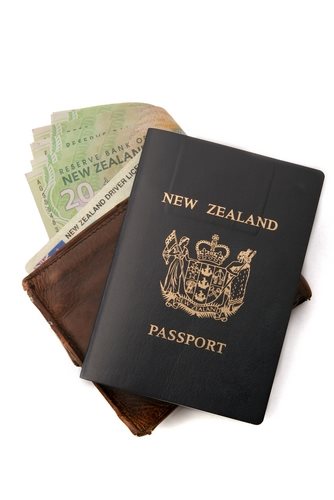
The visa categories are divided into two: temporary visas and resident visas. Temporary visas are issued for short-term stays such as for study, work, or visit. Resident visas, on the other hand, are issued for long-term stays and eventually lead to citizenship.
Temporary Visas
The most common temporary visa types are student, work, and visitor visas.
Student visas are for foreign students who want to study in New Zealand. Applicants must be enrolled in an approved educational program to be eligible for a student visa. The length of the visa depends on the duration of the program. Students may be allowed to work part-time while studying depending on their course and level of study.
Work visas are designed for foreign workers who want to work in New Zealand. The type of work visa needed depends on the nature of the job and the length of stay. Essential Skills Work visas are issued to workers with skills that are in demand in New Zealand but cannot be filled by locals. The duration of the visa depends on the duration of the job.
Visitor visas are issued to foreigners who want to visit New Zealand for tourism, family reasons or business. The length of stay is usually up to 9 months, with some exceptions.
Resident Visas
Permanent resident visas are available for those who meet the eligibility criteria. There are a number of paths to permanent residency such as Skilled Migrant Category, Family Category, Business Category, and Refugee or Protection Category.
The Skilled Migrant Category is the most popular pathway to permanent residency. Applicants are evaluated based on the points system mentioned earlier. If an applicant has enough points and meets other criteria such as age, health, and character, they may be invited to apply for a resident visa.
The Family Category is designed for families of those living in New Zealand who are citizens or permanent residents. There are various subcategories depending on the nature of the relationship such as partners, children, and parents.
The Business Category is for those who want to invest or start a business in New Zealand. The Entrepreneur Work Visa, the Investor visa and Global Impact Work Visa are available under this category.
The Refugee or Protection Category is for those seeking asylum in New Zealand. The government gives assistance to those who are fleeing persecution or other forms of human rights abuses in their home country.
📝 See Also
Changes to the Immigration System
New Zealand has a constantly evolving immigration system. The government regularly reviews the system and makes changes as necessary. The following is an update on some of the recent changes to the immigration system.
COVID-19 has had a significant impact on the immigration system. The government has put measures in place to ensure that essential workers can still enter New Zealand while managing the risk of COVID-19 in the community.
The government has introduced a new way of allocating Skilled Migrant Category visas. Instead of holding regular ballot draws, the system now uses the Expression of Interest (EOI) process. Applicants who meet the requirements can submit an EOI, and the highest-ranking EOIs are invited to apply for a resident visa.
The Family Category has been expanded to include family members of migrants who hold a Talent (Accredited Employer) Work Visa. This means that family members of those who have obtained work visas under the Talent (Accredited Employer) policy can be added to their visa application.
The government has introduced a new visa pathway for victims of domestic violence. The Domestic Violence – Victims’ Protection visa allows victims to leave their abusive relationships and remain in New Zealand while their immigration status is being resolved.
Conclusion
The New Zealand Immigration Service plays a vital role in regulating the entry of foreigners into New Zealand. There are various visa categories available for both temporary and permanent stays. The points-based system ensures that only those who will make significant contributions to the country are granted visas.
The government regularly makes changes to the immigration system to ensure that it remains fair, safe, and efficient. The COVID-19 pandemic has necessitated additional measures to manage the risk of the virus in the community.
It is important for immigrants to stay informed about any changes to the immigration system and to meet all the necessary criteria for their visa application to ensure a smooth process.
Immigration to New Zealand is a formal legal process that requires the filing of forms with the proper authority, a review, and ultimately the ruling made on the status of an immigration request. The New Zealand Immigration Service provides all the necessary forms and access to New Zealand laws and customs in order to greatly prepare individuals who are looking to move to New Zealand.
There are different forms for immigration to New Zealand; these forms are dependent upon the circumstances for which individuals are planning on moving into the country. There are separate rules and regulations for those who desire to make a permanent move into New Zealand with a family, and those who are looking to spend only several months to a year working within New Zealand. There are even specific immigration rules outlined by the New Zealand Immigration Service for students who are looking to study at one of New Zealand’s Universities.
One of the largest advertised immigration to New Zealand sections is in regards to working. There are a number of opportunities for new businesses and for workers to find jobs in New Zealand. However, in order to be able to come over and work within the nation, the proper work-visa and employment forms must be completely filled in and filed in order to be considered for this job opportunity. Overall, it is important to utilize the New Zealand Immigration Service in order to gain access to all information necessary for movement or travel.