Refugees International
📅 2026 Update: Changes in Refugee Assistance and U.S. Admissions
refugee policies and admissions. The U.S. has set a lower refugee admissions goal for Fiscal Year 2026, which reflects ongoing challenges in global displacement. This update highlights key changes affecting refugees and displaced persons.
The original article continues further down the page, detailing Refugees International's mission and impact.
📉 Historic Low in U.S. Refugee Admissions
The U.S. set the Fiscal Year 2026 refugee admissions goal at just 7,500. This is the lowest target in the history of the U.S. Refugee Admissions Program (USRAP).
The goal comes after a period of increased global displacement, making this decision particularly concerning for many advocates and organizations.
- 📉 Lowest Target: The goal of 7,500 is a significant drop from the previous target of 125,000 set for Fiscal Year 2024.
⏳ Suspension of Refugee Admissions Program
On January 20, 2025, the U.S. government suspended the Refugee Admissions Program for at least 90 days. This suspension affected both resettlement processing and the Welcome Corps private sponsorship program.
- ⏳ Processing Delays: The suspension caused delays in the resettlement process, impacting many refugees waiting for assistance.
💵 Resettlement Processing Costs
While the U.S.
- 💵 Financial Responsibility: This repayment condition can create financial burdens for newly resettled families, adding more challenges to their transition.
🏛️ Role of UNHCR in Resettlement
They focus on those with specific needs, such as survivors of violence or those at risk.
- 🏛️ Guiding Force: UNHCR’s efforts are crucial for ensuring that vulnerable populations receive the necessary protection and support during resettlement.
📅 Current Processing Times
This figure indicates the time required to complete half of the cases in that fiscal year.
- 📅 Impact on Refugees: These processing times can affect many refugees' ability to secure their status and access essential services.
📌 Key Points Summary
- 📉 U.S. set a historic low refugee admissions goal of 7,500 for Fiscal Year 2026.
- ⏳ Refugee Admissions Program was suspended for at least 90 days in early 2025.
- 💵 Approved refugees must repay the cost of their family's airfare after arriving in the U.S.
- 🏛️ UNHCR identifies refugees for resettlement based on specific protection needs.
- 📅 Median processing time for Form I-90 is currently 7.4 months.
💡 Tips for Navigating Refugee Assistance and Admissions
Review the details of your unique situation with your attorney.
📝 Understand the Admissions Process
The U.S. refugee admissions process involves multiple steps. Being prepared for these interviews is essential for a smooth process.
📅 Stay Informed on Processing Times
This means it may take several months before receiving updates on your application. Being aware of these timelines can help manage expectations.
💵 Plan for Financial Responsibilities
While the U.S. Understanding this financial obligation is vital for planning your budget once resettled.
🏛️ Know Your Rights with UNHCR
UNHCR plays a key role in identifying refugees for resettlement. They focus on those with specific needs, such as survivors of violence or individuals at risk. Knowing how UNHCR operates can help you understand your eligibility for assistance.
🌍 Explore Available Resources
UNHCR and its partners provide free services to refugees. These include support for navigating the resettlement process and understanding your rights. Connecting with these resources can provide valuable assistance during your transition.
📈 Keep Track of Policy Changes
U.S. refugee admission policies can change frequently. Staying updated on these changes, like the historic low admissions goal of 7,500 for Fiscal Year 2026, is crucial. Understanding the current landscape can help in planning your future.
📅 Stay Updated on Admissions Changes
Keep an eye on changes to refugee admissions goals. The U.S. set a target of 7,500 for Fiscal Year 2026, the lowest in USRAP history. This reflects ongoing challenges in resettlement during a time of unprecedented global displacement.
Understanding these changes is crucial. They can affect application timelines and the availability of resources. Staying informed helps refugees and advocates adapt quickly to shifting policies and ensure that they are prepared for any new developments in the resettlement process.
🏆 Ranked by User Reviews (2026)
This section highlights services related to immigration assistance, particularly those that can help with refugee resettlement and related processes. The rankings are based on Trustpilot data checked in October 2026. Ratings reflect user experiences, but keep in mind that they can change over time.
Star ratings are just one signal; unhappy customers often leave more reviews, and samples may vary.
Below are the top-rated services that can aid refugees and displaced persons in navigating the complex immigration process. These services focus on immigration form preparation and application assistance, which are crucial for those seeking to rebuild their lives in a new country.
🥇 1. CitizenPath
CitizenPath has been rated 4.8 stars. This service specializes in immigration form preparation with attorney-reviewed software. Users have noted its ease of use and clear instructions, making it a helpful resource for those unfamiliar with the immigration process.
However, some reviewers point out that CitizenPath may offer limited support for more complex cases. This could be a consideration for refugees who have unique circumstances requiring more personalized assistance. Overall, CitizenPath is recognized for its commitment to simplifying the application process, which aligns well with the goals of Refugees International.
🥈 2. SimpleCitizen
SimpleCitizen holds a Trustpilot score of 4.9. Known for its digital immigration and visa solutions, this service provides attorney-reviewed applications. Reviewers appreciate its user-friendly platform, which helps users navigate the complicated immigration landscape.
However, some users find the platform's interface complex at times, which could lead to confusion during the application process.
🥉 3. Entry
Entry has an impressive score of 4.8 stars. It is recognized for its AI-powered document processing and comprehensive immigration services. Many users praise its efficiency in handling paperwork, which can be particularly beneficial for refugees who need to expedite their applications.
That said, some users have reported delays in processing times, which can pose challenges for those in urgent need of assistance.
⚡ Speed of Processing
When it comes to processing speed, Entry stands out with its AI-powered document processing. Many users praise its efficiency in handling paperwork, which can be crucial for refugees needing to expedite their applications. However, some users have reported occasional delays, which can be a concern for those in urgent situations.
SimpleCitizen also offers a streamlined experience, but some reviewers find its interface complex. This could potentially slow down users who may struggle to navigate the application process. CitizenPath is known for its thorough attorney-reviewed software, but it is primarily focused on immigration form preparation rather than rapid processing times.
Overall, refugees often need quick solutions to their resettlement needs. The speed of application processing can significantly impact their ability to secure safety and stability. Users should weigh the pros and cons of each service's speed, especially when facing time-sensitive challenges related to their immigration status.
🆓 Free Resources for Refugees
UNHCR and its partners offer free services to refugees, including support for resettlement processes and guidance on legal rights. Resettlement Support Centers (RSCs), funded by the U.S. Department of State, assist refugees in preparing cases for security screening and interviews.
These resources can be crucial for individuals who may not have the financial means to seek paid services.
🔎 Comparing Immigration Services
- 🌟 User Ratings: Look for services with high Trustpilot scores and numerous reviews.
- 📝 Service Focus: Consider whether the service specializes in refugee resettlement or general immigration assistance.
- 💬 Customer Feedback: Read what past users say about their experiences, especially regarding support for complex cases.
- 🔄 Processing Times: Investigate how quickly the service can process applications and what delays may occur.
- 💵 Cost and Financial Responsibility: Understand any fees or financial obligations associated with the service, especially for resettled individuals.
❓ Frequently Asked Questions
🤔 What is the current U.S. refugee admissions goal?
For Fiscal Year 2026, the U.S. set a refugee admissions target of 7,500. This marks the lowest target in the history of the U.S. Refugee Admissions Program (USRAP) amidst a time of record global displacement.
🛫 Are there any costs associated with the U.S. resettlement process?
The resettlement processing for applicants is free of charge.
📝 How does the UNHCR assist refugees during the resettlement process?
UNHCR provides free services and support to refugees, including assistance with the resettlement process. They also help individuals understand their legal rights and navigate the requirements needed to relocate safely.
🔍 What factors determine eligibility for refugee resettlement?
Women and girls at risk, children and adolescents, and those lacking alternative solutions are also prioritized.
⏳ What are the current processing times for immigration applications?
This reflects the time taken to complete half of the cases during that fiscal year.
🌍 How can I find more resources for immigrants and refugees?
In addition to UNHCR services, Resettlement Support Centers (RSCs) are funded by the U.S. Department of State. They assist refugees by collecting necessary information and preparing cases for security screenings and interviews, providing essential support during the resettlement process.
⚖️ Recent Cases Impacting Refugees and Immigration
Recent court rulings have shaped the landscape for refugees and immigrants, affecting their rights and access to services. These cases are crucial as they highlight the ongoing challenges and legal battles surrounding refugee admissions and resettlement processes.
- BIA rules on aggravated felony impact for Nicaraguan womanBoard of Immigration Appeals · September 17, 2026
- Court Orders Release of Cuban Asylum Seeker from DetentionDistrict Court, D. New Mexico · October 7, 2026
- Court grants habeas corpus to Cuban immigrant in New MexicoDistrict Court, D. New Mexico · October 7, 2026
- Board of Immigration Appeals suspends attorney for one yearBoard of Immigration Appeals · September 18, 2026
As these rulings emerge, it's essential to stay informed. You can find more rulings on the news page.
End of October 2026 Update
Refugees International: Providing Lifesaving Assistance to Displaced Persons
Introduction
Refugees International (RI) is a non-profit advocacy organization that provides emergency aid and protection to refugees and displaced persons worldwide. Since its establishment in 1979, the organization has been committed to empowering refugees and displaced persons to rebuild their lives and pursue long-term solutions to displacement. RI’s programs are guided by a human rights and dignity-based approach, prioritizing the needs and voices of displaced persons. This article will explore RI’s history and mission, the scope of its work, and its impact on the lives of refugees and displaced persons worldwide.
History and Mission
Refugees International was founded in response to the Indochina refugee crisis, which displaced millions of people after the Vietnam War. The organization’s co-founders, Diane Lawson and Richard Fairbanks, traveled to Southeast Asia to assess the needs of refugees and advocate for their rights. Their advocacy efforts led to critical policy changes in the United States and other countries, including the admission of over 1.2 million refugees between 1975 and 1980. Since then, RI has expanded its mandate to address a wide range of displacement crises worldwide.
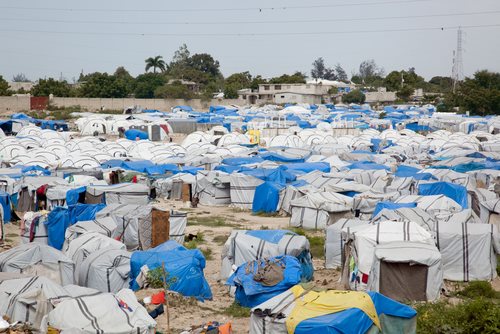
RI’s mission is to advocate for the rights and protection of displaced persons worldwide, by providing lifesaving assistance, conducting information-gathering missions, and engaging policymakers and communities to effect change. RI envisions a world in which all displaced persons are able to access safety, shelter, and basic human rights, and are empowered to rebuild their lives and communities. RI’s core values include human dignity, transparency, accountability, and independence, which guide its approach to programming and advocacy.
📝 See Also
Scope of Work
Refugees International conducts research and advocacy missions in over 20 countries worldwide, where displaced persons are in urgent need of assistance and protection. The organization’s programs are divided into four key areas: conflict and displacement, climate displacement, humanitarian response, and protection.
Conflict and Displacement
RI works to address displacement caused by armed conflicts and other forms of violence, by advocating for protection of civilians, access to humanitarian assistance, and long-term solutions to displacement. In areas such as Syria, Yemen, and South Sudan, RI has conducted missions to assess the needs of displaced persons and promote accountability for human rights abuses. RI works closely with local organizations and communities to understand the root causes of displacement and advocate for policy changes that address those underlying issues.
Climate Displacement
As climate change accelerates, the displacement of people due to natural disasters and environmental degradation is increasing. RI conducts research and advocacy missions to address these issues, advocating for the rights and protection of climate refugees and promoting policies that mitigate the effects of climate change. In Bangladesh, for example, RI has worked to provide assistance and advocacy for displaced persons affected by climate change-induced flooding.
Humanitarian Response
RI’s humanitarian response programs focus on providing lifesaving assistance to displaced persons in crisis situations. This includes providing emergency shelter, food, and medical assistance, as well as advocating for increased funding and access for humanitarian assistance. In the Rohingya refugee crisis in Bangladesh, RI worked to provide emergency aid and to advocate for the rights and protection of refugees.
Protection
RI’s protection work focuses on advocating for the protection of displaced persons’ rights and dignity. This includes addressing issues such as gender-based violence, child protection, and access to legal and administrative support. In Colombia, for example, RI has advocated for the right of displaced Afro-Colombians to return to their land, and for increased support for their resettlement.
Impact
Refugees International has had a significant impact on the lives of displaced persons worldwide, both through its direct assistance programs and its advocacy efforts. The organization’s research and advocacy efforts have resulted in policy changes and increased protection for refugees and displaced persons, and its partnerships with local communities and organizations have helped build capacity and promote sustainable solutions to displacement.
Policy Impact
RI’s advocacy efforts have led to numerous policy changes that benefit refugees and displaced persons. For example, in 2019, RI worked to secure funding for the United Nations Relief and Works Agency for Palestine Refugees (UNRWA), which provides critical assistance to millions of Palestinian refugees. In 2020, RI advocated for a temporary halt to deportations of refugees and asylum seekers from the United States during the COVID-19 pandemic, and secured a policy change that granted temporary reprieve for some individuals.
Direct Impact
RI’s direct assistance programs have helped provide lifesaving aid and protection to thousands of displaced persons worldwide. In 2020 alone, RI provided emergency assistance to Syrian refugees in Lebanon, Rohingya refugees in Bangladesh, and Venezuelan refugees and migrants in Colombia. Additionally, RI has worked to address critical protection concerns for displaced persons, such as supporting the protection of women and girls from gender-based violence in refugee camps.
Sustainability Impact
RI’s partnerships with local communities and organizations have helped build capacity and promote sustainable solutions to displacement. In Colombia, for example, RI worked with Afro-Colombian leaders to promote sustainable land tenure practices, advocating for their right to return to their land and access to resources for resettlement. This approach helped build local ownership and resilience, and promoted long-term solutions to displacement.
Conclusion
Refugees International has been instrumental in advocating for the rights and protection of refugees and displaced persons worldwide. Through its research and advocacy efforts, the organization has helped bring attention to critical issues affecting displaced persons, and has secured policy changes that benefit their rights and wellbeing. Additionally, RI’s direct assistance programs have provided critical lifesaving aid to thousands of displaced persons worldwide, while its partnerships with local communities and organizations have helped promote sustainable solutions to displacement. As conflict, climate change, and other factors continue to displace millions of people worldwide, RI’s advocacy and assistance are more critical than ever before.
Refugees International is an organization focused on assisting refugees spread throughout the world. In general, Refugees International has the goal of helping these displaced individuals to move into some kind of stable form of existence.
Refugees International sees as one of the most important dilemmas facing its success the fact that many refugees are currently within a legal hole, wherein they are not technically citizens of any particular country, as their home countries are either in a state of flux or have disavowed those citizens, and no other country has yet granted them asylum. Refugees International thus attempts to help these individuals by moving them out of refugee camps and into homes where they might actually be able to start lives.
Refugees International operates in many countries throughout the world, including the Congo, Sudan, Colombia, Iraq, Kuwait, Lebanon, and Djibouti. Refugees International claims as one of its successes that the United States has provided additional funding for refugees in Colombia, and that the United States provided additional funding to the UN Refugee Agency's Iraq programs, as a result of lobbying from Refugees International.
An organization that bears some similarity to Refugees International, but is mostly a United Kingdom organization, is the Refugee Legal Centre, now known as Refugee and Migrant Justice. The former Refugee Legal Centre was devoted to bringing legal assistance to those refugees who needed it, in order to best protect and serve those refugees under United Kingdom law. Now, the former Refugee Legal Centre continues to offer the same services, giving legal advice to any refugees who cannot afford to pay for other legal counsel.