Domestically Born Children of Illegal Immigrants Overview
📅 2026 Update: Recent Developments in Birthright Citizenship
The U.S. Supreme Court upheld birthright citizenship for these children in June 2026, clarifying that they are entitled to citizenship regardless of their parents' immigration status.
This ruling has influenced ongoing debates and legal actions surrounding immigration policy.
Below are the most important updates that impact the discussion about birthright citizenship.
⚖️ Supreme Court Upholds Birthright Citizenship
On June 30, 2026, the Supreme Court made a landmark decision affirming that the Fourteenth Amendment guarantees citizenship to almost all individuals born on U.S. soil. This ruling rejected former President Trump's executive order aimed at denying citizenship to children born to undocumented parents. The court's decision reinforces the constitutional right to citizenship for these children.
🚫 Legal Challenges to Birthright Citizenship
Following the Supreme Court's decision, on September 2, 2026, a federal judge blocked Trump's attempt to limit birthright citizenship. The judge cited the Supreme Court’s June ruling, further solidifying the legal standing of children born to undocumented immigrants. This legal pushback reflects ongoing controversies around immigration policy in the United States.
📜 Executive Orders and Their Impact
On August 6, 2026, President Trump issued two executive orders seeking to restrict birthright citizenship. These orders specifically targeted children born to foreign lobbyists and those who enter the U.S. for the purpose of giving birth. However, these attempts have faced significant legal challenges and are now under scrutiny due to the Supreme Court's ruling.
📅 Changes in Immigration Policy
In addition to the birthright citizenship rulings, USCIS has made updates that affect immigration processes. For instance, on March 4, 2024, a new rule was implemented requiring valid passports for beneficiaries in the H-1B registration process. These changes reflect broader shifts in immigration policy that could impact families with undocumented immigrants.
📉 Overall Impact on Families
With these legal updates, domestically born children of illegal immigrants remain U.S. citizens with full rights. However, their parents still face challenges related to their undocumented status, including the risk of deportation. As the legal landscape evolves, the complexities surrounding these families continue to be a pressing concern for lawmakers and advocates.
📅 Future Implications of Birthright Citizenship
As laws and policies evolve, the implications of birthright citizenship continue to be significant. The Supreme Court's June 2026 decision firmly established that children born in the U.S. are citizens, regardless of their parents' status. This ruling is likely to influence future immigration discussions and legislative actions.
Additionally, challenges to birthright citizenship may arise, as seen with previous executive orders attempting to restrict it. Future legal battles could further shape the landscape of immigration and citizenship rights in the United States.
📌 Key Points Summary
- ⚖️ Supreme Court affirmed birthright citizenship for children born to undocumented immigrants.
- 🚫 Federal judge blocked attempts to limit birthright citizenship.
- 📜 Executive orders targeting birthright citizenship are under legal scrutiny.
- 📅 USCIS updates reflect ongoing changes in immigration policy affecting families.
- 📉 Children remain citizens, while their parents face risks and uncertainties.
💡 Tips for Understanding Birthright Citizenship
📄 Understand Your Rights
Children born in the U.S. to undocumented immigrants are granted citizenship under the Fourteenth Amendment. This means they have the same rights as any other American citizen, including access to public education and other benefits.
🔍 Stay Informed About Legal Changes
Recent rulings and legal actions can change the landscape of citizenship rights. For example, the Supreme Court upheld birthright citizenship in June 2026, affirming that children born in the U.S. are citizens regardless of their parents' immigration status.
⚖️ Know the Legal Challenges
Keep an eye on ongoing legal challenges related to birthright citizenship. The federal judge's ruling in September 2026 blocked attempts to limit this citizenship right, showing that legal protections for these children are still being tested.
🏛️ Explore Government Resources
Various government and nonprofit organizations offer resources for families navigating immigration issues. These resources can provide assistance with understanding rights and accessing services for children born to undocumented parents.
📅 Keep Documentation Ready
Ensure all important documents related to your child's citizenship are organized and accessible. This includes birth certificates and any relevant immigration paperwork, as they may be needed for educational or legal purposes.
🌍 Seek Community Support
Many groups focus on immigrant rights and can help families understand their options and navigate the complexities of immigration law.
📈 Understanding the Implications of Recent Legal Rulings
Recent legal decisions have clarified the status of children born to undocumented immigrants. The U.S. Supreme Court upheld birthright citizenship in June 2026.
This ruling confirmed that almost all individuals born on U.S. soil are granted citizenship, regardless of their parents' immigration status.
Following this, a federal judge blocked attempts to restrict this citizenship right in September 2026. These actions reinforce the protections under the Fourteenth Amendment. They also highlight the ongoing debates about immigration laws and their impact on families in the U.S.
The Supreme Court's decision is a significant affirmation of the rights of domestically born children of illegal immigrants. It emphasizes that these children are entitled to the same rights and privileges as other U.S. citizens. Understanding these implications is essential for families navigating the complexities of immigration and citizenship.
🏆 Top Immigration Services Ranked by User Reviews (2026)
These services are crucial for families navigating citizenship applications, document preparation, and other immigration-related needs.
🥇 1. SimpleCitizen
SimpleCitizen has been rated 4.9 stars on Trustpilot. citizenship. For families of domestically born children of illegal immigrants, SimpleCitizen offers guidance to streamline the application process, ensuring that all necessary documents are in order.
While many users commend its user-friendly platform and knowledgeable support, there are no specific caveats listed. Overall, SimpleCitizen stands out as a reliable option for those needing assistance with immigration applications.
🥈 2. Tranlanguage
Tranlanguage holds a Trustpilot score of 4.9. This service specializes in translation services, which can be essential for families navigating the immigration process. Accurate translations of documents, such as birth certificates and legal papers, are critical for children born to undocumented immigrants when applying for citizenship.
Reviewers appreciate Tranlanguage for its quick turnaround and professionalism.
🥉 3. CitizenPath
CitizenPath has an average rating of 4.8 stars on Trustpilot. CitizenPath guides users through the intricacies of the immigration process, helping to ensure all applications are correctly completed.
Many users highlight the detailed resources and customer support provided by CitizenPath. However, some may find the assistance limited to specific types of applications, which could be a consideration for those with unique needs.
🆓 Free Government and Nonprofit Help
Families can also explore free resources provided by government and nonprofit organizations. These options often include legal aid, information on rights, and assistance with the citizenship process for children born to undocumented immigrants. Utilizing these resources can help families navigate the complexities of immigration law without incurring additional costs.
🔎 Factors to Compare When Choosing Immigration Services
- 📊 User Ratings: Compare overall Trustpilot scores and the number of reviews.
- 📄 Service Offerings: Look for specific services provided, such as document preparation or translation.
- ⏰ Turnaround Time: Consider how quickly each service can process applications or provide needed documents.
- 💬 Customer Support: Assess the availability and quality of customer service, including live support options.
- 💵 Cost Structure: Check for any hidden fees or pricing structures that could affect overall costs.
❓ Frequently Asked Questions
🤔 What happens if a child of undocumented parents needs assistance?
Children born to undocumented parents are U.S. citizens and entitled to various benefits. They can access public education and other services available to citizens, which can greatly support their growth and development.
📜 Are there any recent legal changes affecting birthright citizenship?
Yes, significant legal changes occurred recently. The U.S. Supreme Court upheld birthright citizenship in June 2026, affirming that children born in the U.S. are citizens regardless of their parents' immigration status.
This ruling was reinforced by a federal judge who blocked attempts to limit this citizenship right in September 2026.
🏛️ Can undocumented parents get help with legal issues?
Yes, there are resources available for undocumented parents seeking assistance. Various government and nonprofit organizations offer legal aid and information about rights, including how to navigate the citizenship process for their children born in the U.S.
📅 How can parents prepare for citizenship applications?
Parents should organize important documents related to their child’s citizenship. This includes birth certificates and any immigration paperwork, as these may be necessary for educational purposes or legal matters. Being prepared can help streamline the application process.
👩⚖️ What are the implications of the Supreme Court's ruling?
The Supreme Court's ruling on birthright citizenship ensures that almost all individuals born on U.S. soil are granted citizenship. This decision clarifies that the protections under the 14th Amendment apply broadly, reinforcing the legal status of many children born to undocumented immigrants.
📊 How can families find reliable immigration services?
Families can consider user reviews and ratings when selecting immigration services. Services like SimpleCitizen, Tranlanguage, and CitizenPath have high Trustpilot ratings, indicating satisfaction among users. They can assist with various immigration-related needs, including document preparation and application guidance.
⚖️ Recent Cases Impacting Birthright Citizenship
Recent court rulings have reinforced the legal status of children born to undocumented immigrants. The U.S. Supreme Court upheld birthright citizenship in June 2026, affirming that these children are U.S. citizens under the Fourteenth Amendment.
This decision was further supported by a federal judge blocking attempts to limit this right in September 2026.
- Court dismisses Alawieh's appeal over expedited removalCourt of Appeals for the First Circuit · October 13, 2026
- Court rules on immigration biometrics policy caseDistrict Court, District of Columbia · October 7, 2026
- Court denies asylum petition of Honduran mother and sonCourt of Appeals for the Eighth Circuit · October 8, 2026
- Court denies stay of removal for Nigerian immigrant OjukwuCourt of Appeals for the Sixth Circuit · October 9, 2026
Readers can explore more rulings on the news page to stay updated on the latest legal developments affecting birthright citizenship.
End of October 2026 Update
Introduction
The United States has long been a nation of immigrants. The country has been a melting pot for people from all over the world, who come to the country to seek better opportunities and a better life. Illegal immigration has been a topic of discussion for many years. It is estimated that there are 11 million undocumented immigrants in the United States, and many of them have children who are born in the country. These children are called anchor babies or domestically born children of illegal immigrants. In this article, we will provide an overview of this topic, including the legal status of these children, their impact on society, and the controversies surrounding their birthright citizenship.
What is an Anchor Baby?
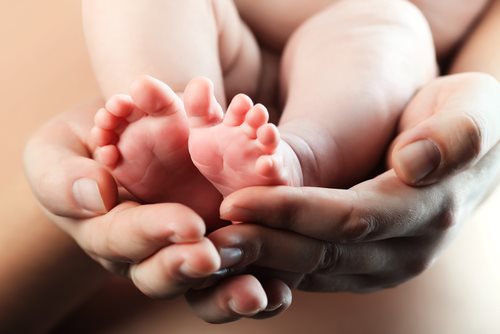
An anchor baby is a term used to describe a child who is born in the United States to undocumented immigrant parents. Under the Fourteenth Amendment of the Constitution, anyone born on U.S. soil is granted U.S. citizenship, regardless of the parents' status. This means that the child of an undocumented immigrant is automatically granted citizenship, even if the parents are in the country illegally.
Legal Status of Domestically Born Children of Illegal Immigrants
The legal status of domestically born children of illegal immigrants is clear. They are U.S. citizens, and they have the same rights and privileges as any other American citizen. They can attend public schools, join the military, and vote when they turn 18. They are entitled to all the benefits and protections afforded to citizens under the law.
📝 See Also
Impact on Society
The impact of domestically born children of illegal immigrants on society is significant. On the one hand, these children are American citizens who contribute to society in various ways. They excel in school, go to college, and become doctors, lawyers, and entrepreneurs. They pay taxes, serve in the military, and help build communities. On the other hand, their parents are undocumented immigrants who are not entitled to the same benefits and protections as citizens.
Controversies Surrounding Birthright Citizenship
The issue of birthright citizenship is controversial. Some argue that the Fourteenth Amendment was intended to grant citizenship to the children of slaves who were born in the United States. They argue that the amendment was not meant to apply to the children of undocumented immigrants. Others argue that the language of the amendment is clear and applies to anyone born on U.S. soil.
One of the most significant controversies surrounding birthright citizenship is the idea that it creates a magnet for illegal immigration. Critics argue that undocumented immigrants come to the United States to have children who will automatically become citizens. They argue that this creates a burden on taxpayers, as these children are often entitled to government benefits.
However, research suggests that this is not the case. A report by the National Bureau of Economic Research found that the birth of a child in the United States does not make it more likely for the parents to stay in the country. In fact, the report found that the birth of a child in the United States often leads to the parents leaving the country voluntarily.
Conclusion
The issue of domestically born children of illegal immigrants is complex and controversial. While they are American citizens and entitled to the same rights and privileges as any other citizen, their parents are undocumented immigrants who do not have the same rights and protections. The controversy surrounding birthright citizenship will continue to be a topic of discussion, as lawmakers and citizens debate the merits of this constitutional provision and its impact on society. Ultimately, the United States is a nation of immigrants, and the country will continue to grapple with the challenges and benefits of immigration for years to come.
Oftentimes, laws addressing children of illegal immigrants reflect the dated nuances, and at times archaic nature, of American immigration policy. The American government is complacent with its enforcement of certain portions of immigration law, while certain infractions result in a deportation without the consideration of any extraneous situations. Although all children born on American soil gain citizenship, the parents of a naturalized child who immigrated to the country under illegal pretenses receive no change in status.
This means that a large number of American citizens under the age of eighteen are faced with the danger of having their parents deported. Other times, strict American deportation policy provides for full citizenship to children of illegal immigration, but no further protection to illegal immigrants. If deported, the parents face a decision in which they must decide whether or not to bring the child back to their country of origin, or leave them behind with extended family with the hopes of that child's prosperity in a more economically-opportune country.
Arguments based on the negative economic effect of illegal immigration fail to note the expense associated with the residual effects of deporting a certain individual, in which similar situations effectively illuminate the necessity for a complete overhaul of deportation policy.