Guide to Immigration to Australia
📅 2026 Update: Changes in Immigration Fees and Policies
immigration policies and fees. These updates may affect individuals looking to immigrate, especially those interested in working or studying in Australia while navigating U.S. immigration processes. The information in the original guide remains relevant and is detailed further down this page.
💰 Premium Processing Fee Increase
Individuals applying for U.S. visas or seeking expedited processing should be aware of these higher costs when planning their applications.
🚫 Extension of H-1B Visa Restrictions
On September 18, 2026, the U.S. This measure, known as Proclamation 11069, targets abuses in the H-1B visa program. These restrictions are now set to remain in place until September 21, 2027.
Individuals seeking employment-based visas should understand how these restrictions might impact their immigration options.
📄 Immigration Parole Fee Implementation
This fee is part of the H.R. 1--One Big Beautiful Bill Act.
Those considering parole as a pathway to immigration must factor this additional cost into their plans.
⏳ Updated Processing Times
As of fiscal year 2026:
- 🔹 Form I-90, for replacing a Permanent Resident Card, has a median processing time of 7.4 months.
- 🔹 Form I-102, for nonimmigrant arrival or departure records, has a median of 7.3 months.
- 🔹 Form I-129, for nonimmigrant workers (non-premium processing), takes about 5.1 months.
- 🔹 Form I-129F, for fiancé(e) petitions, has a median of 8.2 months.
Individuals should be prepared for these processing times when applying for visas or immigration status.
📞 Access to Free Support
For assistance with immigration-related questions, individuals can contact the USCIS Contact Center.
📈 Understanding Processing Times
For Form I-102, it is 7.3 months.
Other forms have different timelines: Form I-129 (non-premium) takes about 5.1 months, while Form I-129F requires around 8.2 months.
These times are important to consider when planning your immigration journey. Delays can occur, so it’s wise to check current processing times and stay updated on your application status through official channels.
🔍 Changes in Processing Times
Other forms also show significant processing times. The median processing time for Form I-129, a petition for a nonimmigrant worker, is 5.1 months. For Form I-130, which petitions for an alien relative, the median time is 12.8 months.
These times are important for individuals planning their immigration journey to Australia, as they can impact when to apply and how long to expect to wait for a decision.
Staying updated on these processing times can help applicants better manage their expectations and prepare for any necessary steps in their immigration process.
📌 Summary of Key Points
- 🚫 H-1B visa restrictions extended until September 2027.
- 📄 A new $1,000 Immigration Parole Fee is effective from October 2025.
- ⏳ Updated median processing times for various immigration forms.
- 📞 Free support options are available through USCIS and nonprofit organizations.
These updates reflect the ongoing changes in immigration policies that may affect potential immigrants looking to enter the U.S. or Australia.
💡 Tips for Immigrating to Australia
📝 Understand Visa Types
Different visa types are available for immigration to Australia. Determine which visa fits your situation best, whether it’s a Skilled Work Visa, Family Visa, or another option. Each visa has specific requirements that must be met.
📅 Stay Informed on Fees
Be aware of the fees associated with visa applications. Fees can change due to policy updates, so check the latest costs before submitting your application. This includes understanding any premium processing fees that may apply.
⏳ Prepare for Processing Times
Processing times can vary depending on the visa type. Prepare for potential delays by applying early and keeping track of your application status.
🌐 Utilize Free Resources
🔍 Keep Documentation Ready
Gather all necessary documentation before applying for your visa. This includes proof of qualifications, work experience, and English language proficiency.
👥 Seek Help with Application
Consider using online services for application assistance. Companies like Boundless Immigration and Lawfully offer help with document preparation and tracking your application. Review their ratings to find a service that suits your needs.
🚨 Be Aware of Immigration Policy Changes
Stay updated on changes in immigration policies, as these can affect your application process. This may impact those looking to work under this visa category, highlighting the importance of understanding current regulations.
It is crucial to be aware of these fees and ensure they are included in your application budget.
Understanding these policies can help you plan your immigration journey better. Regularly check official sources for the most accurate and current information.
🏛️ Know Your Rights and Resources
The USCIS Contact Center can provide assistance with immigration-related questions. They offer resources to help you navigate the process and understand your options.
Additionally, many legal aid organizations are available to offer free or low-cost legal assistance. It's important to reach out for support if you face challenges during your immigration journey.
Stay informed about your rights and available resources. This knowledge can empower you and help ensure a smoother transition to life in Australia. Regularly check for updates on immigration policies, as they may affect your application and rights.
📞 Reach Out for Help
Navigating the immigration process can be complex. Consider utilizing the USCIS Contact Center for assistance with immigration-related questions. They provide resources and information to help clarify your concerns.
Additionally, many legal aid organizations offer free or low-cost assistance. They can be particularly useful if you have specific legal questions or need help with your documentation.
Taking advantage of these resources can save you time and reduce stress as you work towards immigrating to Australia.
🏆 Ranked by User Reviews (2026)
The services listed here provide online application help, document preparation, and visa tracking, all crucial for navigating the complex immigration landscape. Trustpilot data from October 2026 shows the ratings, which can change over time.
🥇 1. Boundless Immigration
🥈 2. Lawfully
Lawfully holds a 4.8-star rating. This service is recognized for its immigration tracking software and online application help.
Caveats include limited customer support options, which some users find frustrating when seeking assistance.
🥉 3. Track My Visa
Track My Visa has received a 4.9-star rating. Known for its visa tracking software, this service helps users monitor their application status effectively. It is especially beneficial for those navigating the immigration process to Australia, keeping them informed every step of the way.
Some users have mentioned a complex interface, which may pose challenges for those who are less tech-savvy.
4️⃣ CitizenPath Immigration Services
While it offers a user-friendly experience, occasional complaints about instruction clarity have been noted, suggesting that users should be prepared to seek additional information if needed.
💸 Cost Comparisons
When considering immigration services, cost is a crucial factor for many applicants. Boundless Immigration is known for its higher service fees compared to competitors but offers comprehensive support for online applications and document preparation. Users appreciate the quality of service, even if it comes at a premium.
Lawfully provides a cost-effective alternative, maintaining a 4.8-star rating. While their fees may be lower, some users mention limited customer support options. This trade-off could affect the overall experience if assistance is needed.
Track My Visa focuses on visa tracking and is well-rated for its effectiveness. However, its cost details are less prominent, which means users should inquire about any potential fees before engaging.
CitizenPath Immigration Services balances affordability with quality. While it has some complaints about instruction clarity, users find it generally user-friendly. This balance may appeal to those who want both support and a reasonable price.
By comparing these service costs, applicants can make informed decisions that fit their budgets while navigating the immigration process to Australia.
🆓 Free Government and Nonprofit Help
🔎 Factors to Compare When Choosing a Service
- 📊 User ratings and review counts
- 📋 Services offered, such as document preparation and application tracking
- 💰 Cost of services and any potential hidden fees
- 📞 Availability and quality of customer support
- 📝 User experience and ease of application process
These elements are crucial for individuals considering services to assist with their immigration applications to Australia.
❓ Frequently Asked Questions
❓ What is the current fee for the Immigration Parole?
1--One Big Beautiful Bill Act.
⏳ How long does it take to process a visa application?
Processing times vary by visa type. It is essential to check specific processing times for each visa type to understand potential delays.
💼 Are there any restrictions on H-1B visas?
🆓 Where can I find free help with immigration questions?
📄 What forms are commonly used for immigration applications?
Several forms are frequently used in the immigration process. Each form has specific requirements and processing times.
🔍 How can I ensure my visa application is complete?
To ensure your visa application is complete, carefully review the eligibility requirements for your chosen visa type. Gather all necessary documentation, including proof of qualifications and work experience, and double-check your application before submission.
🌍 What should I know about immigration policies in Australia?
Australia has open immigration policies but has made changes over the years. In 2017, the government reduced the annual migration intake to 160,000 due to concerns about infrastructure and public services.
The Skilled Occupations List (SOL) highlights in-demand jobs. Skilled workers in these areas get priority when applying for visas, which can help streamline the immigration process.
⚖️ Recent Cases Affecting Immigration
These decisions can impact visa applications and the overall immigration process, making it important for potential migrants to stay informed.
- Court rules on pseudonym request in visa case against StateDistrict Court, District of Columbia · May 27, 2026
- Court allows noncitizens to proceed anonymously in lawsuitDistrict Court, District of Columbia · May 26, 2026
- Texas Court denies habeas corpus petition for deportation caseTexas Court of Appeals, 9th District (Beaumont) · May 20, 2026
- Court transfers immigration case to Mississippi districtDistrict Court, District of Columbia · May 21, 2026
For the latest updates, readers can explore more rulings on the news page.
End of October 2026 Update
Guide to Immigration to Australia
Introduction
Australia is one of the most multicultural nations in the world, boasting a rich, diverse and vibrant population that is made up of migrants from all over the globe. Immigration to Australia has been an ongoing process for nearly 200 years, and it is still one of the most desirable destinations for people looking to start a new life abroad. Over the years, Australia has developed a reputation as a land of opportunity that provides a high standard of living, warm weather, a great lifestyle, job opportunities, good education opportunities, and many more. In this article, we will take you through everything you need to know about immigrating to Australia.
Types of Visas
There are many types of visas available for those who wish to immigrate to Australia. Here are some of the most common ones:
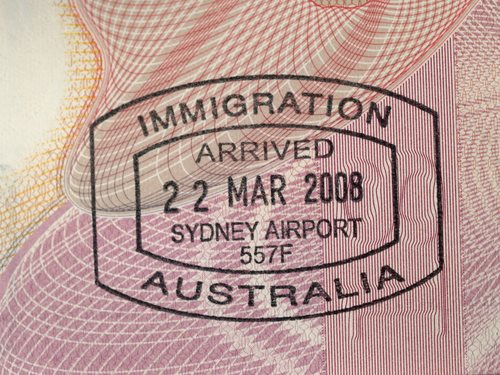
1. Skilled Work Visa - This is the most common type of visa for people who are looking to move to Australia to work. It is designed for skilled workers who have the necessary skills and qualifications to fill shortages in the Australian economy. The Skilled Work Visa is valid for up to four years and allows workers to bring their families with them.
2. Family Visa - This visa is designed for individuals who are looking to join their family members in Australia. There are several different types of Family Visas available, including Partner Visas (for spouses or de facto partners), Parent Visas (for parents of Australian citizens or permanent residents), and Child Visas (for children under 18).
3. Student Visa - The Student Visa is designed for individuals who want to come to Australia to study. It is valid for the duration of the course and allows students to work up to 20 hours per week while they study.
4. Business Visa - The Business Visa is designed for people who want to start a business in Australia or work in a specific industry. There are several different types of Business Visas available, including the Business Innovation and Investment Visa, the Investor Stream Visa, and the Significant Investor Visa.
5. Working Holiday Visa - The Working Holiday Visa is designed for young people who want to come to Australia to work and travel. It is valid for up to one year and allows individuals to work while they travel.
General Rules for Applying for a Visa
When applying for a visa to immigrate to Australia, there are some general rules that you will need to follow. These include:
1. Submitting a complete application - This means that you will need to provide all of the necessary information and documentation when you apply for your visa. Failure to do so may result in your application being delayed or rejected.
2. Meeting the eligibility requirements - Each visa has its own set of requirements that you will need to meet. These may include age, English language proficiency, health and character requirements, and financial requirements.
3. Paying the application fee - There is usually a fee associated with applying for a visa to immigrate to Australia. You will need to pay this fee when you submit your application.
4. Meeting the health and character requirements - Applicants for a visa to immigrate to Australia must meet certain health and character requirements set by the Australian government.
5. Providing biometric information - Depending on the type of visa you are applying for, you may be required to provide biometric information. This may include fingerprints, facial recognition, and other types of information.
6. Being prepared to undergo an interview - Depending on the type of visa you are applying for, you may be required to attend an interview as part of the application process.
7. Following the visa conditions - If your visa is granted, you will be expected to follow the conditions of your visa. This may include things like working for a specific employer, attending school or university, or staying in a specific location.
📝 See Also
How to Apply for a Visa
The process of applying for a visa to immigrate to Australia can vary depending on the type of visa you are applying for. However, there are some general steps that you will need to follow.
1. Determine which visa type is suitable for you - The first step in applying for a visa is to determine which type of visa is suitable for your situation. This will depend on factors such as your reason for immigrating, your skills and qualifications, and your relationship to Australian citizens or permanent residents.
2. Research the visa requirements - Once you have determined which visa type you want to apply for, you will need to research the requirements. This will include things like age, English language proficiency, health and character requirements, and financial requirements.
3. Prepare your documentation - You will need to prepare all of the necessary documentation when you apply for your visa. This may include things like education certificates, evidence of work experience, and a valid passport.
4. Lodge your application - Once you have prepared your documentation, you will need to lodge your application. This can usually be done online through the Department of Home Affairs website.
5. Pay the application fee - There is usually a fee associated with applying for a visa to immigrate to Australia. You will need to pay this fee when you submit your application.
6. Attend an interview - Depending on the type of visa you are applying for, you may be required to attend an interview as part of the application process.
7. Wait for your application to be processed - After you have submitted your application, you will need to wait for it to be processed by the Australian government. This can take several weeks or even months, depending on the type of visa you are applying for.
8. Receive your visa - If your application is successful, you will receive your visa. You will then need to follow the conditions of your visa once you arrive in Australia.
Immigration Policies
Australia’s immigration policies have undergone significant changes over the years. In 2017, the Australian government announced that it would be reducing the annual migration intake from 190,000 to 160,000, citing concerns over infrastructure, housing, and public services. Despite these changes, Australia still has a very open immigration policy, and it remains one of the most popular destinations for immigrants around the world.
The Australian government has implemented several policies aimed at attracting skilled migrants to the country. One such policy is the Skilled Occupations List (SOL), which lists the occupations that are currently in demand in Australia. Skilled workers in these occupations are given priority when applying for a Skilled Work Visa.
There are also policies in place to attract international students to Australia. The country is renowned for its high-quality education system, and the government has implemented several programs aimed at attracting international students to study in Australia. These students are then encouraged to stay in the country and contribute to the economy.
The Australian government has also implemented strict policies on illegal immigration. The government has a policy of detaining individuals who arrive in Australia without a valid visa, and deporting those who are found to have overstayed their visa or committed crimes while in the country.
Conclusion
In conclusion, immigrating to Australia can be a life-changing experience that offers a high standard of living, excellent job opportunities, good education opportunities, and a great lifestyle. However, it is important to follow the correct steps and procedures when applying for a visa to ensure a smooth and successful migration. By following the guidelines outlined in this article, you can increase your chances of being granted a visa to migrate to Australia and starting your new life in this wonderful country.
If an individual is looking to achieve immigration to Australia, he/she must complete an extensive procedure and be admitted by the Australian government. In order for an individual to be considered for permanent residence, he/she must first apply for a visa, or for immigrant status. During the application process, an individual will be required to choose one of the available categories to apply under.
There are a variety of different ways in which an individual can achieve Australian immigration status. The most common program for an individual to apply under is the General Skilled Immigration program. When applying under this category, an individual will be required to provide verification of his/her work experience in a "skilled profession".
There is a Skilled Occupation List, on which acceptable professions are listed. If an individual has experience being employed in one of these professions, he/she may qualify for immigration to Australia. However, he/she must also speak English fluently and meet all other requirements necessary to qualify.
Another way in which an individual can qualify for Australian immigration is by obtaining a work visa from an employer sponsor. This type of visa is extended to individuals who have secured a permanent, full-time job in Australia. Currently, it is difficult for individuals to locate work in any foreign country, as, due to the state of the international economy, unemployment rates are high in most countries. In addition, an individual may be permitted to migrate to Australia if he/she has a close relative, such as a spouse, child, or parent, residing in the country.